Mentawai Cultural Stays: Uma Houses, Sago, and Forest Ethics
Off the western coast of Sumatra, the Mentawai Islands offer travelers a rare glimpse into one of Indonesia’s most well-preserved indigenous cultures. Far from typical tourist trails, Mentawai cultural stays provide an authentic experience where visitors can live alongside communities that have maintained their traditional ways for centuries.
These remote islands, located 150 kilometers off Sumatra's coast, house the Mentawai people who still practice their ancestral customs. Visiting their traditional uma houses and learning about sago food preparation creates memories that last a lifetime. However, this privilege comes with responsibility - understanding rainforest travel ethics ensures these communities benefit from tourism while preserving their heritage.
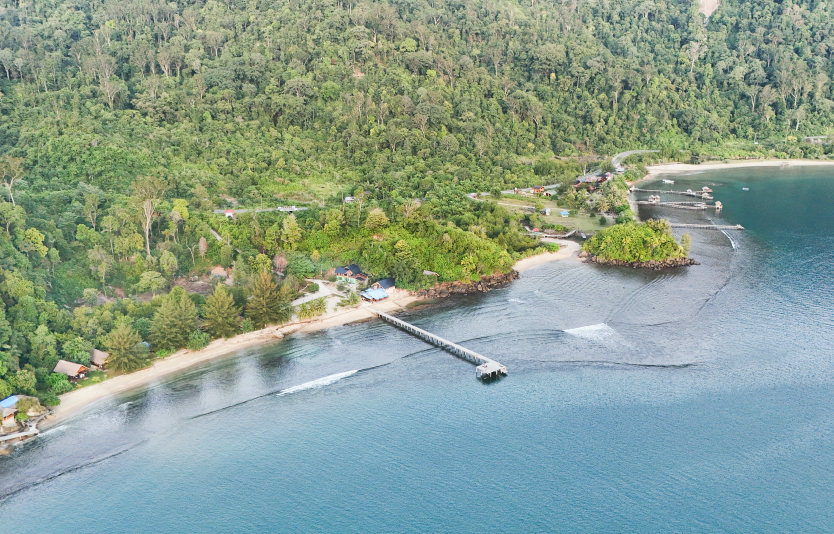
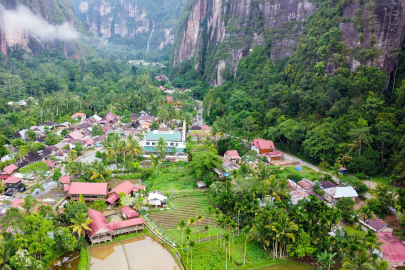
West Sumatra Indonesia tropical rainforest jungle Mentawai
Understanding Uma House Experience
The heart of Mentawai culture lives within the uma house experience. These traditional longhouses serve as community centers where families gather, elders share stories, and visitors learn about indigenous life.
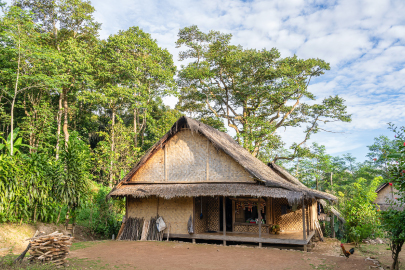
Uma houses stretch up to 30 meters long and house multiple families under one roof. Traditionally built from forest materials, they stand on stilts to protect against flooding and wild animals. The construction uses no nails - instead, skilled craftsmen join everything with wooden pegs and vine bindings.
What to expect during your stay:
- Sleeping on woven mats in communal areas
- Sharing meals with host families
- Participating in daily activities like fishing or gathering
- Learning traditional crafts from community members
- Evening storytelling sessions around fire pits
The experience challenges modern comfort zones. Bathrooms are basic, electricity is limited or absent, and privacy becomes a luxury. Yet these perceived inconveniences fade when you witness the genuine warmth of Mentawai hospitality.
Sago Food Mentawai: Forest to Table
Sago food Mentawai culture centers around the sago palm, which provides the community's primary carbohydrate source. This ancient food system demonstrates remarkable sustainability and forest knowledge.
Sago preparation requires significant skill and community cooperation. Men harvest the sago palm, while women process the pith into edible starch using traditional methods. The resulting starch becomes the base for various dishes.
Common sago preparations include:
- Sago porridge served with fish or vegetables
- Grilled sago cakes wrapped in banana leaves
- In some communities, fermented sago-based drinks may be prepared for special rituals.
- Sweet sago desserts mixed with coconut
The taste proves surprisingly mild and filling. Fresh sago has a slightly sweet flavor, while fermented versions develop complex, tangy notes. Visitors often find themselves appreciating this simple yet nutritious staple that has sustained communities for generations.
Beyond sago, Mentawai cuisine includes fresh fish, forest vegetables, and fruits gathered from the rainforest. Meals become communal experiences where sharing food strengthens social bonds.
Rainforest Travel Ethics and Responsible Tourism
Visiting Mentawai communities requires understanding rainforest travel ethics and your impact on fragile ecosystems and cultures. These guidelines help ensure your presence benefits rather than harms local communities.
Environmental considerations:
- Follow local guides and established paths to minimize forest impact.
- Carry out all non-biodegradable waste
- Use biodegradable soaps and toiletries
- Respect wildlife viewing guidelines
- Support reforestation projects when possible
Cultural sensitivity guidelines:
- Ask permission before photographing people
- Dress modestly and respect local customs
- Participate respectfully in ceremonies if invited
- Purchase crafts directly from artisans
- Learn basic Mentawai greetings and phrases
Many communities now partner with responsible tour operators who ensure tourism income reaches local families. These partnerships fund education, healthcare, and cultural preservation programs while maintaining traditional lifestyles.
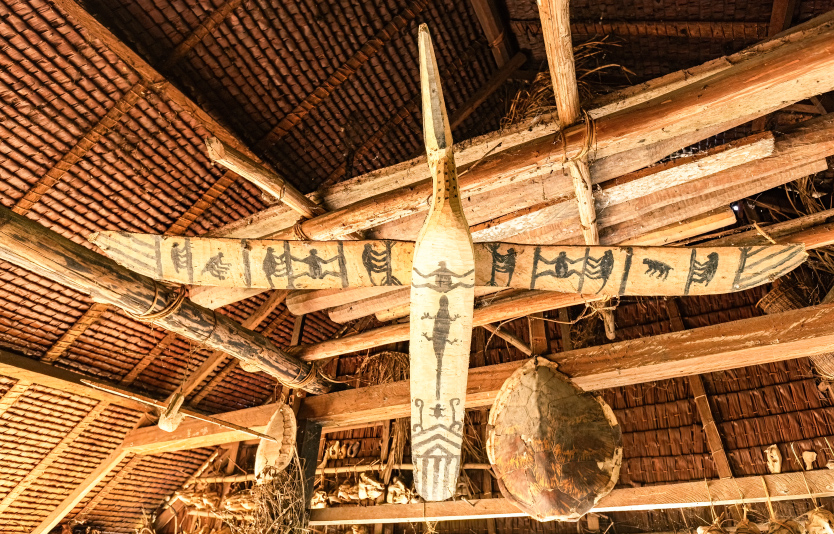
SIBERUT, INDONESIA - Traditional attributes and house decoration
Planning Your Mentawai Travel Guide
Creating a successful Mentawai travel guide requires careful preparation and realistic expectations. These islands remain remote and challenging to reach, but proper planning ensures a smooth journey.
Getting there: The journey begins in Padang, West Sumatra. From there, take a 12-hour ferry or 45-minute charter flight to the islands. Ferry services run twice weekly, while charter flights require advance booking and depend on weather conditions.
Best time to visit: Dry season (March to October) offers the most comfortable travel conditions. However, rain can occur year-round, so pack accordingly. Wet season (November to February) brings heavy rains but fewer tourists and lush forest conditions.
Essential packing list:
- Waterproof clothing and gear
- Insect repellent and mosquito nets
- Basic medical supplies
- Biodegradable toiletries
- Cultural gifts for host families
- Flashlight and extra batteries
Travel Component | Cost Range (USD) | Duration |
Ferry to islands | $15-25 | 12 hours |
Charter flight | $150-200 | 45 minutes |
Cultural stay (daily) | $20-40 | 3-7 days |
Most cultural stays include meals, accommodation, and guided activities. Costs support community development projects and family incomes.
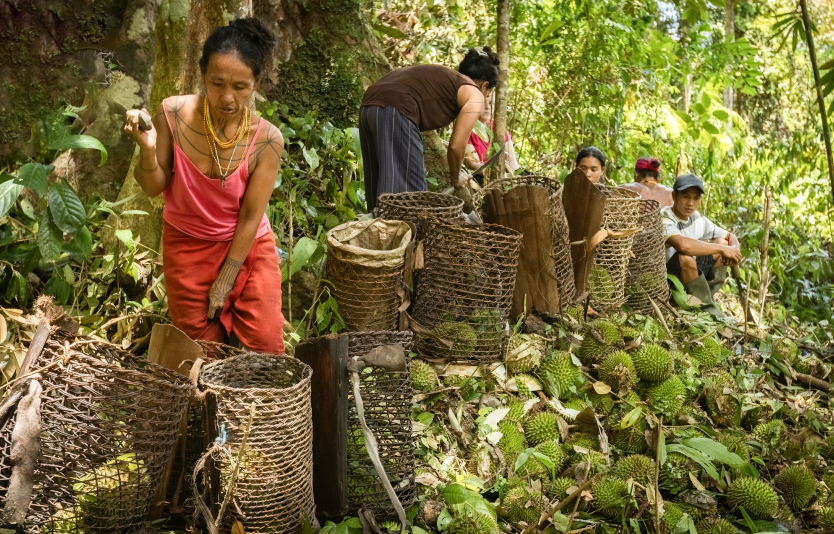
Mentawai woman harvesting wild durian
Preserving Traditional Knowledge
Mentawai communities face pressure from modernization and environmental changes. Tourism, when managed responsibly, provides economic incentives for cultural preservation.
Elders worry about losing traditional knowledge as younger generations move to cities for education and employment. Cultural stays create opportunities for knowledge transfer between generations and document traditional practices for future preservation.
Visitors play crucial roles in this preservation by:
- Showing genuine interest in traditional skills
- Supporting community-based tourism initiatives
- Sharing experiences responsibly on social media
- Contributing to cultural documentation projects
What Cultural Stays Really Offer You
Why are Mentawai cultural stays unique?
Mentawai cultural stays offer a rare opportunity to experience daily life shaped by traditions that still play a central role today. Unlike staged cultural performances found elsewhere, these experiences provide genuine participation in daily activities, traditional food preparation, and community rituals. Visitors live alongside families in traditional uma houses, learning survival skills, forest knowledge, and sustainable living practices that connect them directly to the rainforest environment.
How physically demanding are Mentawai cultural experiences?
Cultural stays involve moderate physical activity including forest walks, river crossings, and participation in daily tasks like food gathering or house maintenance. Most activities suit average fitness levels, though the tropical climate and basic living conditions can be challenging. Visitors should prepare for humid weather, basic sanitation facilities, and sleeping on traditional mats rather than beds.
What cultural protocols should visitors follow?
Respect for Mentawai customs includes asking permission before entering sacred areas, participating quietly in ceremonies, and following community guidelines about photography and behavior. Visitors should dress modestly, remove shoes when entering uma houses, and accept food offerings graciously even if unfamiliar. Learning basic Mentawai phrases and bringing appropriate gifts like useful household items shows respect for host families.
Discover Mentawai Cultural Heritage with Professional Visa Support
Planning your Mentawai cultural adventure requires proper documentation for Indonesia travel. These extraordinary cultural stays offer transformative experiences with indigenous communities who have preserved their traditional ways for generations. From participating in sago food preparation to sleeping in traditional uma houses, visitors gain deep insights into sustainable forest living and community bonds that have lasted centuries.
GVC specializes in Indonesian visa services, making your journey to remote destinations like the Mentawai Islands hassle-free. Our experienced team understands the unique requirements for travelers seeking authentic cultural experiences in Indonesia's most remote regions. Whether you need standard tourist visas or appropriate Indonesian visas for longer stays or cultural travel, we handle all documentation while you focus on planning your meaningful encounter with Mentawai traditions.
The Mentawai Islands represent one of the world's last opportunities to experience unfiltered indigenous culture. These communities welcome respectful visitors who approach their homeland with genuine curiosity and environmental consciousness. Your cultural stay supports family incomes, funds community development projects, and helps preserve traditional knowledge for future generations. Ready to embark on this life-changing journey? Let GVC handle your visa requirements while you prepare for an unforgettable cultural immersion that will forever change how you view sustainable living and community connection.
Start your Indonesian adventure with proper documentation. Check your visa requirements for Indonesia and explore our comprehensive visa pricing options to find the perfect solution for your travel needs. Don't forget to monitor your application status throughout the process for peace of mind.
Related Articles:
Tags