Baduy Village Visitor Guide: Kanekes Culture, Visitation Etiquette and Footpath Rules in West Java
The guide stopped at the forest edge and turned serious. From here, photography of the Inner Baduy people is strictly forbidden, and modern devices must be put away when entering Inner Baduy areas. In Outer Baduy villages, phones may be carried but should be used discreetly and with respect. Walk quietly and follow the paths exactly as shown." This wasn't the usual tourist briefing—this was an invitation into one of Indonesia's most isolated indigenous communities, where traditions haven't changed in centuries.
The Baduy people, also known as the Kanekes, live in the mountains of Banten Province, West Java, about four hours from Jakarta. They've deliberately rejected modern technology, maintained strict spiritual practices, and preserved a way of life that offers outsiders a rare glimpse into pre-industrial Indonesia. But visiting Baduy Village isn't like touring a museum—it's entering a living culture with serious rules that demand respect.
Understanding Kanekes cultural rules before arrival isn't optional. It's the price of admission to an experience that will challenge everything you think you know about progress, simplicity, and what communities truly need to thrive.
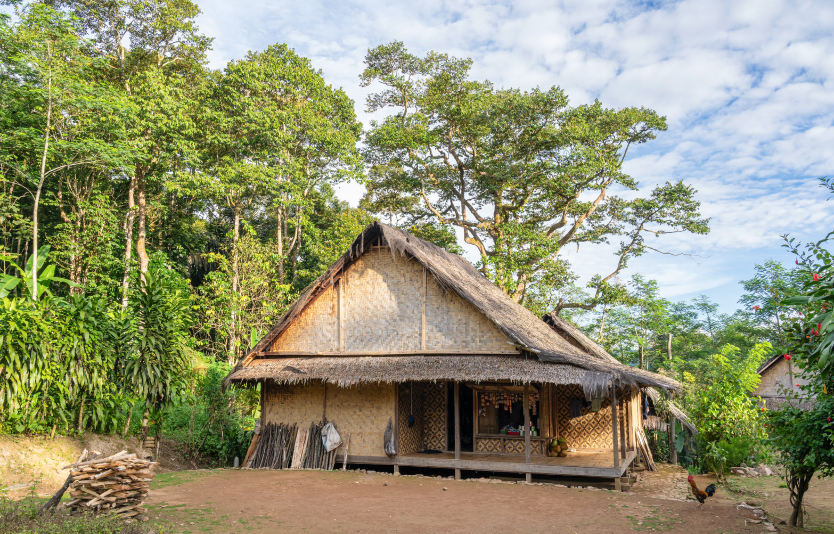
Traditional bamboo and wooden house of Badui or Baduy Luar aka Kanekes ethnic group
The Baduy Territory: Inner and Outer Villages
The Baduy community divides into two distinct groups: the Inner Baduy (Baduy Dalam) and the Outer Baduy (Baduy Luar). The differences between them shape every aspect of a visitor's experience.
Inner Baduy live in three villages—Cibeo, Cikertawana, and Cikeusik—deep in the protected forest zone. They wear only white clothing, avoid all modern technology, practice organic farming without chemicals, and follow the strictest interpretation of their ancestral beliefs called Sunda Wiwitan. Visiting Inner Baduy villages requires permission from tribal elders, and many areas remain completely closed to outsiders.
Outer Baduy inhabit villages closer to the forest perimeter. They wear dark blue or black clothing, have slightly more contact with the outside world, and act as a cultural buffer between their Inner cousins and modern Indonesian society. Most tourists stay in Outer Baduy villages like Kanekes, Kaduketug, or Gajeboh, where homestay experiences are permitted.
The Baduy territory is commonly described as covering several thousand hectares of mountainous terrain, much of it protected forest. No vehicles of any kind enter this zone—not motorcycles, not bicycles, nothing with wheels. The only way in is by foot along Baduy trekking paths that have existed for generations.
Understanding Kanekes Cultural Rules: Non-Negotiable Boundaries
The Kanekes cultural rules aren't suggestions designed to enhance your cultural experience—they're sacred laws that govern every aspect of Baduy life. Breaking these rules is not merely a social misstep; it is understood as a violation of deeply held spiritual and cultural boundaries.
Absolutely forbidden:
- Photography of Inner Baduy people – Cameras must be put away completely in Inner villages. Outer Baduy may permit photos with explicit permission, but always ask first.
- Modern technology – No phones, cameras, or electronic devices in Inner villages. Even in Outer villages, discreet use only and never during ceremonies.
- Shoes on certain paths – On certain spiritually significant sections of the path—particularly near Inner Baduy villages—visitors may be asked to remove their shoes and walk barefoot, following local custom and the guide’s instructions.
- Physical contact – Handshakes with women are inappropriate. Men typically don't touch women outside their families.
- Pointing – Use an open palm or chin gesture to indicate direction, never a finger.
- Loud voices or music – The forest is a spiritual space demanding quiet respect.
- Littering – Carry out everything you bring in. Plastic is particularly offensive.
- Picking plants without permission – The forest provides medicine, food, and materials, but harvesting requires knowledge and permission.
Required behaviors:
- Walk single file on narrow paths, following your guide's exact route
- Greet elders first when entering any space
- Remove shoes when entering homes
- Accept offered food and drink – Refusing hospitality offends
- Dress modestly – More on this below
These rules apply to everyone, regardless of nationality, religion, or personal beliefs. The Baduy don't make exceptions for tourists who claim ignorance. Come prepared to comply completely, or don't come at all.
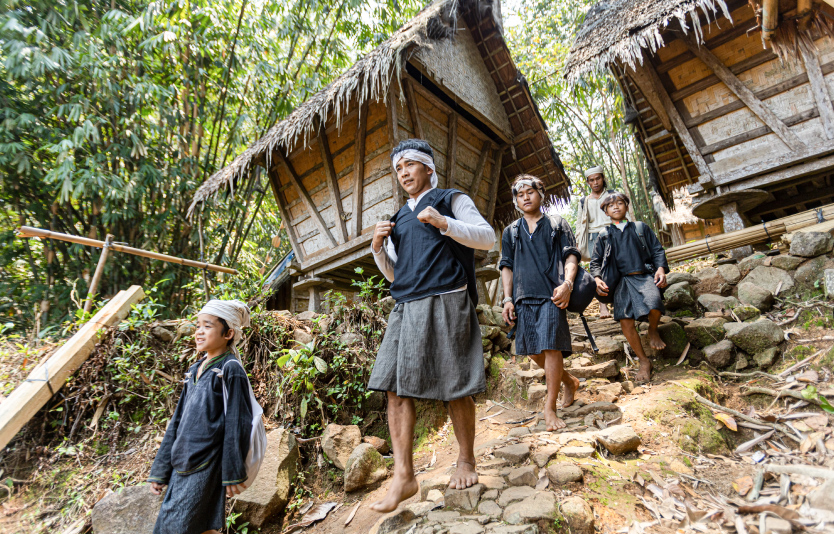
People of Baduy tribe walking in front of the traditional Baduy house, Baduy village.
Baduy Dress Code: What to Wear and Why It Matters
The Baduy dress code for visitors isn't about fashion—it's about showing respect for a culture that views clothing as a reflection of spiritual values. While tourists aren't expected to dress like Baduy people, certain standards must be met.
For both men and women:
- Long pants or long skirts – Shorts are completely unacceptable
- Shirts with sleeves – Tank tops and sleeveless shirts are inappropriate
- Dark or neutral colors – Bright colors, especially red, should be avoided
- Simple, modest styles – No revealing clothing, tight fits, or flashy designs
- Closed-toe shoes for the initial trek, though you'll need to remove them on sacred paths
- Head coverings for women in certain ceremonial contexts (your guide will advise)
What not to wear:
- Shorts or short skirts
- Sleeveless tops
- Bright red clothing (associated with outsiders and modernity)
- Jewelry with modern materials (plastic, synthetic)
- Clothing with logos, brands, or English text
- Sunglasses (seen as hiding your intentions)
The Baduy themselves dress in handwoven textiles made entirely by hand. Outer Baduy wear dark blue or black, while Inner Baduy wear pure white. Their clothing contains no stitching in the modern sense—pieces are wrapped and tied rather than sewn. This dedication to traditional methods extends to every aspect of their material culture.
Navigating Baduy Trekking Paths: The Physical Challenge
Getting to Baduy villages means committing to serious trekking. The Baduy trekking paths follow river valleys, climb steep hillsides, and wind through dense forest. This isn't a casual day hike—it's a challenging journey that tests physical fitness and mental determination.
Trail conditions:
- Distance: 8-12 kilometers one way to most Outer villages; 16-20 kilometers to Inner villages
- Terrain: Rocky paths, stream crossings, steep inclines, muddy sections during rainy season
- Duration: 3-4 hours to Outer villages; 6-8 hours to Inner villages
- Difficulty: Moderate to challenging; requires reasonable fitness
The paths themselves follow strict protocols. Baduy people believe certain routes are spiritually significant and must be walked in specific ways. Your guide will indicate where shoes must come off, where you should remain silent, and where you should walk single file without deviation.
River crossings require balance and courage. During the rainy season (November-March), water levels rise, making crossings more challenging. Dry season (April-October) offers easier walking but hotter temperatures. Most visitors find April-May or September-October ideal—less rain, moderate temperatures, and passable trails.
What to carry:
- Small backpack with essentials only
- Water (at least 2 liters per person)
- Basic snacks (no packaged junk food)
- Basic first aid supplies
- Change of clothes for homestay
- Small flashlight (if staying overnight)
- Cash in small denominations (no ATMs exist anywhere near Baduy territory)
Leave behind unnecessary electronic items. Phones may be carried for safety or essential communication, but usage should be minimal, discreet, and always respectful of local norms. Phone usage should be minimal and discreet. The goal is to disconnect from modern life, not document every moment for social media.
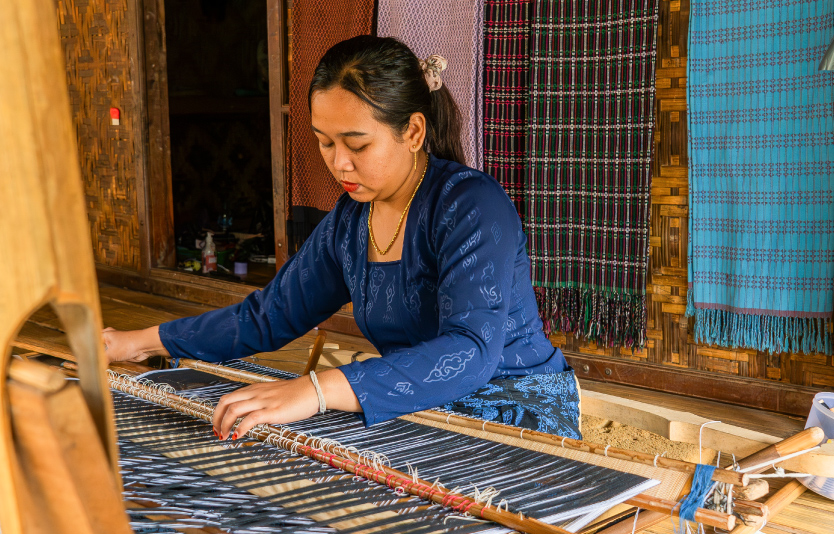
The traditional village of the Baduy tribe which still maintains the customs and culture of its ancestors
The Baduy Homestay Experience: Sleeping in Traditional Homes
The Baduy homestay experience in Outer villages offers accommodation that strips away every modern comfort you've taken for granted. There's no electricity, no running water, no bathrooms as you know them, and no privacy in the Western sense.
Traditional Baduy houses stand on stilts, built entirely from bamboo, wood, and palm fronds. The structure typically includes a main living area, a cooking space, and a sleeping platform. Families sleep together in shared spaces, and as a guest, you'll join this arrangement.
What to expect:
- Sleeping arrangements: Thin mats on bamboo floors, shared rooms, no pillows or blankets
- Bathroom facilities: Communal bathing area by the river, hole-in-ground toilets away from living areas
- Meals consist of simple rice-based dishes and vegetables, with fish occasionally served, particularly in Outer Baduy villages. The diet is largely plant-based but not strictly vegetarian.
- Light: Darkness after sunset, no artificial lighting
- Privacy: Limited to none in the Western sense
The cost is minimal by international standards—usually 100,000-200,000 Indonesian Rupiah per person per night (roughly $7-14 USD), including simple meals. Payment goes directly to the host family and supports the community directly.
Nights are dark and quiet in ways city dwellers have never experienced. The sounds of the forest replace traffic noise. Stars appear in shocking numbers. Roosters start crowing at 4:00 AM. Villagers rise with the sun and expect guests to do the same.
Baduy Local Customs: Daily Life and Social Interactions
Understanding Baduy local customs means recognizing that every action carries meaning. The way food is shared, how people greet each other, when silence is required—all follow patterns refined over centuries.
Mealtime customs:
- Eat with your right hand only (left hand is considered unclean)
- Finish what you're served (wasting food offends)
- Wait for elders to eat first
- Don't talk excessively during meals
- Express gratitude after eating
Social interactions:
- Address elders with respect terms
- Children should be treated with kindness but not given candy or gifts (creates expectations)
- Money should be offered for homestays and guides, not given as tips or charity
- Don't ask intrusive questions about why they live this way
- Listen more than you speak
The Baduy measure wealth not in possessions but in rice harvest, family harmony, and spiritual adherence. They view modern Indonesian society (and certainly Western culture) with skepticism, seeing more problems than solutions in progress. This perspective isn't naive—it's a conscious choice backed by centuries of observation.
Sacred Sites and Restricted Areas
Certain locations within Baduy territory are completely off-limits to outsiders. These sacred sites include specific forest areas, mountain peaks, and ceremonial grounds. Your guide will make clear which areas you cannot approach.
The most sacred area is Arca Domas, a megalithic site deep in Inner Baduy territory. Only certain Baduy people can visit this location, and outsiders are absolutely forbidden. Even discussing the site too directly is considered inappropriate.
Respect these boundaries without question. The Baduy don't enforce rules with police or fines—they enforce them by withdrawing access entirely. Communities that feel disrespected by tourists simply stop allowing visitors. Your compliance protects access for future travelers.
Practical Considerations and Costs
Item | Cost (IDR) | Notes |
Guide fee (required) | 400,000-600,000 | Per group, includes entry permission |
Homestay per person | 100,000-200,000 | Includes simple meals |
Porter (optional) | 200,000-300,000 | Helpful for those with limited fitness |
Transportation to the trail head from Jakarta costs approximately 150,000-250,000 IDR by public transport, or 800,000-1,200,000 IDR by private car. Most visitors hire guides through agencies in Rangkasbitung, the nearest major town, or arrange through their Jakarta accommodation.
Bring cash in small denominations. The nearest ATM is hours away in Rangkasbitung. Credit cards are useless. Plan to spend 1,000,000-1,500,000 IDR total per person for a two-day, one-night visit, including transport, guide, homestay, and meals.
Best Time to Visit and Duration
The dry season (April-October) offers the most comfortable trekking conditions, though even then, afternoon rain showers are possible. The rainy season makes paths slippery and stream crossings dangerous. July-August brings peak tourism, which means more visitors on the trails—relative term, since Baduy villages never feel crowded by international tourism standards.
Most visitors spend two days and one night, which allows time for trekking in, experiencing village life, and trekking out without feeling rushed. More adventurous travelers spend three to four days, visiting multiple villages and going deeper into Inner Baduy territory (with proper permissions).
A single-day visit is physically possible but misses the point. The magic of Baduy happens after other visitors leave, when the village settles into evening routines and you experience the profound quiet that comes after sunset.
What Makes This Experience Different
Baduy Village isn't Bali. It's not designed for tourists. It doesn't want to be on Instagram. The community tolerates visitors because the alternative—complete isolation—would make them vulnerable to government pressure and land encroachment. Tourism provides a buffer and a source of income that doesn't require abandoning traditions.
But this means you're not a customer here. You're a guest in the truest sense, subject to household rules and community norms. The Baduy won't change their ways to accommodate your comfort. They won't pose for photos. They won't explain their spiritual beliefs in detail. They'll share their space with you, feed you, and send you on your way with a clearer understanding of what human life can look like without technology.
That's the gift: perspective. In a world that equates progress with happiness, the Baduy ask an uncomfortable question: progress toward what?
Final Preparations and Mindset
Before heading to Baduy villages, check your motivations. If you're seeking Instagram content, don't go. If you need constant connectivity, don't go. If you can't handle discomfort, don't go. If you're unwilling to follow rules you don't understand, definitely don't go.
But if you're curious about alternative ways of living, if you can embrace discomfort as part of the experience, if you're willing to be challenged and changed by what you witness—then the trek to Baduy villages might be the most important journey of your Indonesian travels.
Frequently Asked Questions
Can I visit Baduy villages without a guide?
No. Independent travel to Baduy villages is strongly discouraged, especially for foreign visitors. A local guide is highly recommended to navigate cultural protocols, communication, and restricted areas. You must hire an authorized guide who has established relationships with the community and understands all cultural protocols. The guide serves as translator, cultural intermediary, and ensures you don't unknowingly violate important rules. Attempting to enter without a guide will result in being turned away at village boundaries.
What happens if I accidentally break a cultural rule?
Minor infractions like forgetting to remove shoes before entering a home will be politely corrected. Your guide helps prevent most mistakes. However, serious violations—photographing Inner Baduy people after being told not to, entering restricted areas, or disrespectful behavior—can result in immediate expulsion from the village and damage the community's willingness to host future visitors. When in doubt, ask your guide.
Are children allowed to visit Baduy villages?
Children can visit, but parents should honestly assess whether their kids can handle the challenging trek, basic facilities, and behavioral expectations. The Baduy are patient with children but still expect them to follow core rules like no littering, no loud disruptions, and respectful behavior toward elders. The physical demands alone make this unsuitable for children under 10-12 years old.
Planning Your Indonesian Cultural Journey: Essential Visa Information
Experiencing the unique cultural traditions of Baduy Village requires proper travel documentation for international visitors entering Indonesia. GVC provides comprehensive visa assistance services that simplify the application process, allowing travelers to focus on preparing for the physical and cultural challenges of visiting one of Java's most isolated indigenous communities. Whether planning a short cultural visit or an extended exploration of Indonesia's diverse regions, securing the correct visa category ensures smooth entry and uninterrupted travel.
Indonesia offers multiple visa options depending on nationality and trip duration, and understanding which category applies to your situation prevents complications at immigration. The Indonesian visa requirements and application process provides detailed, country-specific information updated regularly to reflect current regulations. This resource helps travelers determine whether they qualify for visa-free entry, should apply for a visa on arrival, or need to secure an e-visa before departure.
Financial planning for any trip includes accounting for visa fees alongside other travel expenses. Transparent pricing information for visa services allows accurate budget planning before committing to flights and accommodations. Once you've submitted your application, tracking its progress provides valuable peace of mind during the waiting period. Using the application status checking tool keeps you informed throughout the processing timeline, ensuring you'll have approved travel documents before attempting the challenging trek to Baduy villages in West Java's mountainous interior.
Related Articles:
Tags