Harau Valley Travel Guide: Cliff Lodges, Rice-Field Cycling and Waterfall Loops in West Sumatra
The road from Bukittinggi winds through emerald hills before revealing one of West Sumatra’s most striking natural landscapes, still relatively uncrowded compared to Indonesia’s major tourist hubs. Harau Valley opens up like a natural amphitheater, with steep granite cliffs rising over 100 meters in places, forming dramatic natural walls around terraced rice fields. This West Sumatra canyon offers something rare—a nature escape that combines adventure, cultural immersion, and genuine tranquility without the constant crowds typically found in Indonesia’s most established tourist destinations such as Bali.
During a recent three-day visit, the valley exceeded every expectation. The combination of challenging rock climbing routes, peaceful cycling paths through rice paddies, and multiple waterfall hikes created the perfect balance between activity and relaxation. Local Minangkabau hospitality added warmth that transformed a scenic destination into a memorable experience.
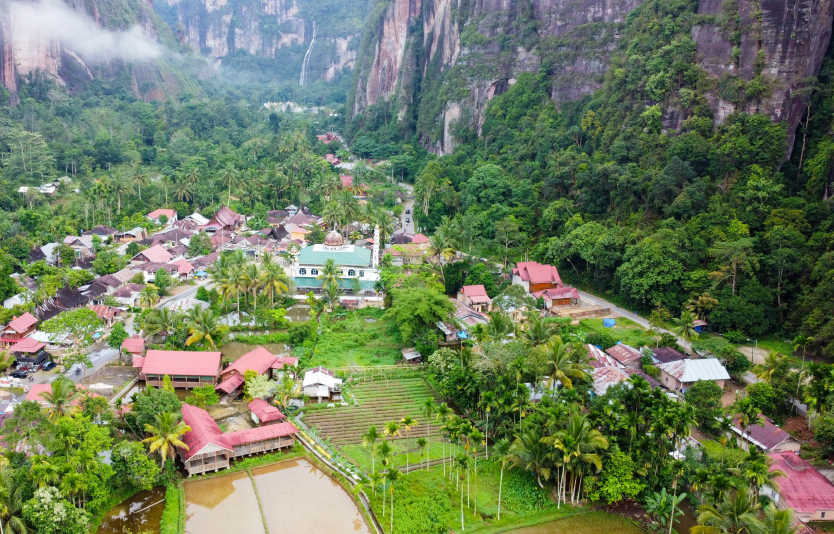
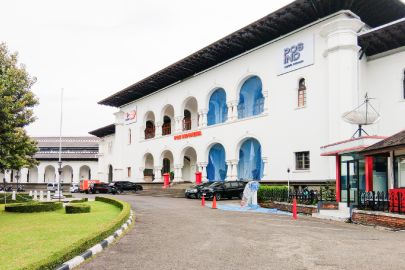
View of the village between two rocky hills in the Harau Valley
Understanding Harau Valley's Geography
Harau Valley sits about 18 kilometers northeast of Bukittinggi in West Sumatra province. The canyon stretches roughly 4 kilometers long and 1 kilometer wide, surrounded by towering granite cliffs that attract rock climbers from across Southeast Asia. The valley floor consists mainly of rice paddies, small villages, and fruit orchards.
The geological formation creates a unique microclimate. Morning mist often blankets the valley floor while peaks catch the first sunlight. Afternoons bring warmth perfect for outdoor activities, and evenings cool down comfortably. The surrounding cliffs help channel airflow through the valley, making mornings and late afternoons more comfortable, though midday temperatures can still feel hot during the dry season.
Two main roads access the valley. The southern entrance from Bukittinggi offers the most dramatic first views, with the road descending into the canyon. The northern route connects to Payakumbuh and provides easier grade changes for cyclists.
Staying at Harau Cliff Lodges
Accommodation options in Harau range from basic guesthouses to mid-range lodges positioned for optimal views. Accommodation options in Harau have gradually improved over recent years, with several lodges offering more comfortable facilities while still remaining relatively simple compared to urban hotels
Buana Alam Lestari ranks among the most established lodges. Rooms feature large windows facing the cliffs, private bathrooms with hot water, and balconies perfect for morning coffee. The on-site restaurant serves excellent Padang-style dishes alongside Western breakfast options. Prices range from 350,000 to 600,000 IDR per night depending on room type and season.
Harau View Homestay provides budget-friendly alternatives starting around 150,000 IDR. The family-run operation offers simple but clean rooms, shared bathrooms, and meals cooked by the owner's wife. The authentic hospitality and home-cooked rendang make up for basic facilities.
Booking considerations:
- Reserve ahead during July-August peak season
- Most lodges include breakfast in rates
- Wi-Fi exists but remains slow and unreliable
- Request cliff-facing rooms when booking
- Confirm hot water availability if important
Many Harau cliff lodges arrange activities including guides, bicycle rentals, and transportation. Booking through your accommodation often costs less than hiring independently.
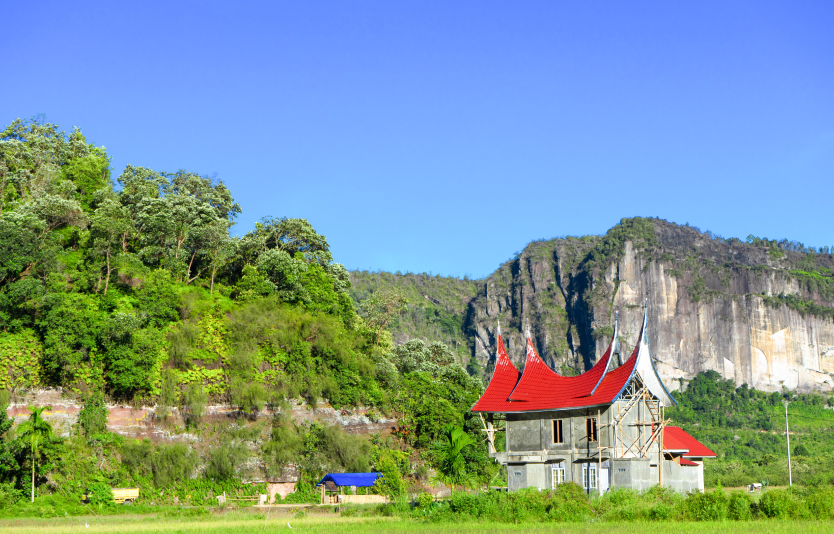
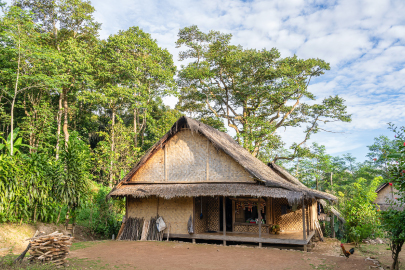
Gadang House from Harau Valley, West Sumatra
Cycling Through Rice Paddies
The Harau rice field cycling experience ranks as the valley's most relaxing activity. Mostly flat village roads—some paved, some rough—wind through rice paddies with the dramatic cliff backdrop creating postcard scenery at every turn. Unlike Bali's crowded Ubud routes, Harau's cycling paths see minimal traffic beyond occasional motorcycles and buffalo carts.
Most lodges rent bicycles for 50,000-75,000 IDR per day. The bikes vary in quality—check brakes, tires, and gears before setting off. Some properties offer mountain bikes suitable for rougher trails, while others stock only basic city bikes.
The standard loop covers approximately 12-15 kilometers and takes 2-3 hours with stops. Start early around 7 AM to catch farmers working the fields and avoid midday heat. The route passes through three small villages where children wave enthusiastically and elders offer friendly greetings.
Recommended stops along the route:
- Local coffee shops serving kopi talua (egg coffee)
- Fruit stalls selling fresh mangosteen and rambutan
- Rice mill operations during harvest season (April-May, September-October)
- Traditional Minangkabau houses with distinctive curved roofs
The cycling paths also connect to waterfall trailheads, allowing combinations of activities. Bring a small backpack with water, snacks, sunscreen, and a basic first-aid kit. Phone coverage remains spotty, so download offline maps beforehand.
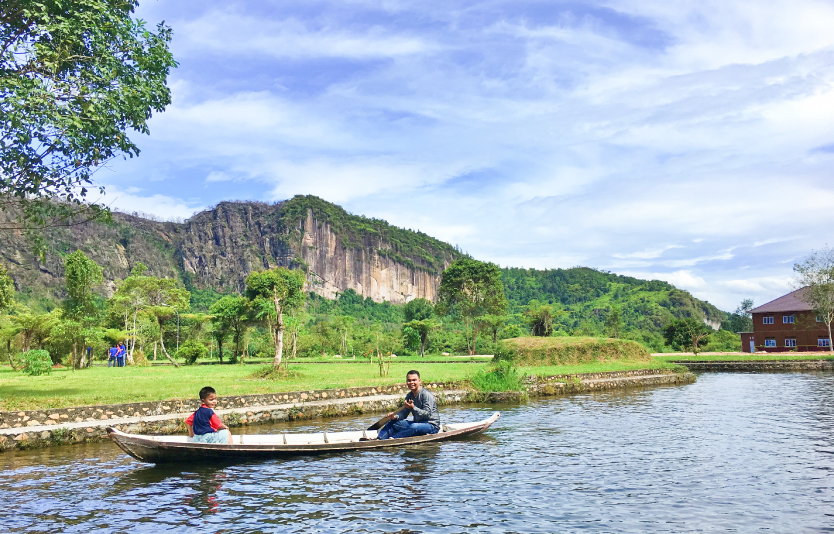
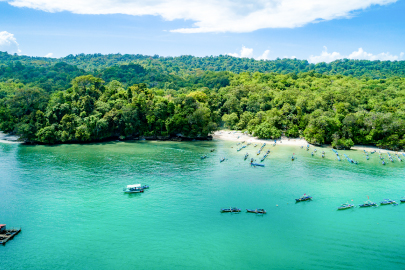
Local tourists canoeing at Harau Valley
Exploring the Waterfall Loop
Harau Valley features multiple waterfalls, with several officially recognized and others locally named by surrounding communities, though two dominate visitor itineraries. The Harau waterfall loop typically covers Sarasah Bunta and Sarasah Murai, both accessible via moderate hiking trails. Each waterfall offers distinct character and requires different effort levels.
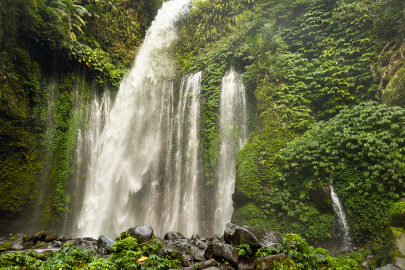
Sarasah Bunta flows year-round with impressive volume. The 50-meter cascade drops over mossy cliffs into a pool deep enough for swimming. The trail begins near the valley entrance and climbs gradually for about 30 minutes. Steps become slippery during and after rain—proper footwear is essential.
The pool beneath Sarasah Bunta attracts local families on weekends. Weekday mornings provide the best experience with fewer crowds and better light for photography. The water stays refreshingly cool year-round, remaining refreshingly cool throughout the year. Small fish nibble at feet in the shallows, providing natural "spa treatment."
Sarasah Murai requires more effort but rewards with solitude. The 1.5-hour hike passes through forest and farmland before reaching this tiered waterfall. Three distinct cascades create multiple pools at different levels. The upper pools remain pristine since fewer visitors make the full climb.
Trail essentials:
- Wear shoes with good grip (no flip-flops)
- Start hikes before 10 AM to avoid afternoon heat
- Bring 1-2 liters of water per person
- Pack out all trash—bins are scarce
- Swimming clothes and towel for waterfall pools
Some lodges organize guided waterfall tours combining both locations with lunch stops. Prices range from 250,000-400,000 IDR per person depending on group size and inclusions.
Rock Climbing on Granite Walls
The West Sumatra canyon has gained recognition among Southeast Asian climbing communities. Hundreds of established routes range from beginner-friendly climbs to advanced grades to challenging 5.13 climbs. The granite quality rivals Thailand's Railay Beach, with better weather consistency during dry season.
Several local operators offer guided climbing experiences. Harau Climbing provides equipment rental, instruction, and guided climbs starting at 400,000 IDR for half-day sessions. Experienced climbers can rent gear and climb independently, though hiring guides supports the local economy and ensures cliff access permissions.
The main climbing zones include:
- Harau Wall: Most accessible with routes for all abilities
- Twin Towers: Advanced climbs with spectacular exposure
- Sunset Wall: West-facing routes catching evening light
Non-climbers enjoy watching from the valley floor. The scale becomes apparent seeing tiny figures ascending massive cliff faces. Many lodges position seating areas specifically for viewing climbers.
Practical Valley Information
Aspect | Details | Cost Range |
Entry Fee | Valley entrance ticket | 20,000 IDR per person |
Bicycle Rental | Full-day rental | 50,000-75,000 IDR |
Guided Waterfall Tour | Including both main falls | 250,000-400,000 IDR |
Note: Prices may increase during weekends, Indonesian public holidays, and peak school vacation periods.
Getting there: Hire a motorcycle from Bukittinggi (150,000 IDR round trip) or take public angkot (15,000 IDR one way). The angkot drops passengers at the valley entrance, requiring a 2-kilometer walk to accommodations.
Best time to visit: April-October offers drier conditions ideal for all activities. November-March brings frequent rain making trails muddy and waterfalls more powerful but potentially dangerous.
What to pack:
- Quick-dry clothing for multiple activities
- Reef-safe sunscreen
- Insect repellent for evening
- Headlamp for early starts or late returns
- Cash—ATMs are 18 kilometers away in Bukittinggi
Cultural respect: Harau remains a working agricultural valley. Ask permission before photographing farmers or entering rice fields. Dress modestly when visiting villages, and learn basic Bahasa Indonesia greetings.
Frequently Asked Questions
How many days should travelers spend in Harau Valley?
Two to three days allows sufficient time to enjoy cycling, visit both major waterfalls, and relax into the valley's peaceful rhythm. Active travelers complete main activities in two days, while those seeking deeper relaxation or rock climbing prefer three to four days. Single-day trips from Bukittinggi feel rushed and miss the special atmosphere created by staying overnight.
Is Harau Valley suitable for families with young children?
Absolutely. The flat cycling routes, easy waterfall access at Sarasah Bunta, and safe swimming pools work perfectly for families. Most Harau cliff lodges welcome children and can arrange family-friendly activities. The main challenges involve basic accommodation facilities and limited medical services nearby. Families with children under five should consider staying at more developed lodges with better amenities.
Can visitors explore Harau Valley independently without guides?
Yes, Harau nature escape works well for independent travelers. The valley's compact size and clear trails make navigation straightforward. Rental bicycles come with basic route maps, and main waterfall paths are generally easy to follow, though signage remains basic. However, hiring local guides for at least one activity provides cultural context, supports the community, and ensures you don't miss hidden spots. Rock climbing requires guides unless you're experienced and bring your own equipment.
Your Gateway to West Sumatra's Hidden Paradise
Harau Valley delivers authentic Indonesian experiences away from overtourism's negative impacts. The combination of dramatic landscape, outdoor adventures, and genuine local culture creates memories that last far beyond typical beach resort stays. Mornings begin with mist rising off rice paddies and evenings end watching sunset paint the cliffs orange and gold.
Planning a trip to this remarkable destination requires securing proper travel documentation. GVC streamlines the Indonesia visa process for international visitors, offering efficient e-visa services that eliminate complicated paperwork. Whether you're planning to explore Harau Valley alone or as part of a broader Indonesian adventure including Java, Bali, and beyond, starting with proper authorization prevents entry complications.
The straightforward online application takes minutes to complete. Travelers submit required documents digitally, monitor their application progress, and receive approved visas electronically without embassy visits. Processing typically completes within several business days, depending on nationality and application volume. Understanding visa service costs upfront helps budget appropriately for your complete journey.
Once documentation is secured, focus shifts entirely to planning those Harau waterfall loops, booking cliff lodges with perfect views, and mapping rice field cycling routes through one of Indonesia's most photogenic landscapes. West Sumatra's natural wonders await—begin your Indonesian visa application today and prepare for an unforgettable nature escape in Harau Valley.
Related Articles:
Tags