Indonesian National Holidays: A Celebration of Diversity and Culture
Indonesia is not only famous for its natural wonders but also for its rich cultural and religious diversity. Indonesia can be described as a cultural mosaic. This beautiful country celebrates its long-standing traditions, religious beliefs, and important historical moments. Indonesia holidays are not just days off from work but also a celebration of the country’s essence, reflecting its unique blend of customs, beliefs, and traditions.
Let’s explore the significance of these holidays and learn how they contribute to the vibrant spirit of Indonesia.
Explore Types of Indonesian Public Holidays
1. Embracing the Diversity of Religious Holidays
Indonesia is home to the world's largest Muslim population. It is also a country where other religions such as Hinduism, Buddhism and Christianity coexist harmoniously. This diversity is celebrated through a variety of religious holidays, which are observed as Indonesian public holidays.
Eid al-Fitr (Hari Raya Idul Fitri)
Eid al-Fitr is one of the most important holidays in Indonesia. It marks the end of the holy month of Ramadan. On this day, Indonesians prepare sumptuous feasts with specialties such as rendang (spicy beef stew), opor ayam (chicken curry) and ketupat (rice cakes). Millions of people travel back to their hometowns to reunite with their families in a national migration known as mudik, which is the country’s largest mass tourism event.

Eid al-Fitr is one of the most important Indonesian public holidays
Eid al-Adha (Hari Raya Idul Adha)
Eid al-Adha (Hari Raya Idul Adha) is one of the significant Indonesian public holidays that commemorates the Prophet Ibrahim's willingness to sacrifice his son as an act of obedience to God. Indonesians celebrate this day with two rituals. First, they attend prayers at mosques, then they perform a ritual of sacrificing livestock, such as goats and cows. The meat is then shared with family, friends, and those in need.
Nyepi: The Day of Silence
Nyepi (Day of Silence) is a unique and revered occasion. Nyepi marks the Hindu New Year and is a day of reflection, fasting and silence. All travel, including flights, is suspended for 24 hours and visitors are encouraged to stay indoors. Before Nyepi, Balinese people perform the Ogoh-Ogoh parade, where giant demon effigies are carried through the streets and then burned to symbolise the cleansing of evil spirits.
2. Cultural Festivities Reflecting Heritage and Traditions
Beyond religious holidays, Indonesia’s national celebrations also include events that are deeply rooted in the country’s history, culture, and collective identity.
Independence Day (Hari Kemerdekaan)
Independence Day on August 17 is one of the most celebrated Indonesian national holidays. This day marks the day Indonesia gained independence from Dutch colonial rule in 1945. Indonesians take to the streets on this day and join in vibrant parades and flag-raising ceremonies. They also participate in community competitions such as panjat pinang (pole climbing), sack races and tug-of-war. The entire country comes together to celebrate patriotism and unity, with streets decorated in red and white, symbolizing the national flag.
Kartini Day: Honoring Women’s Rights
Kartini Day is celebrated on April 21 as part of Indonesia holidays to honor Raden Ajeng Kartini, a leader in women's rights in Indonesia. In the late 19th century, Kartini worked hard for women's education and equal rights, making her a national hero. On this day, women and girls wear traditional kebaya dresses, and many events take place to celebrate the achievements of Indonesian women from all backgrounds.
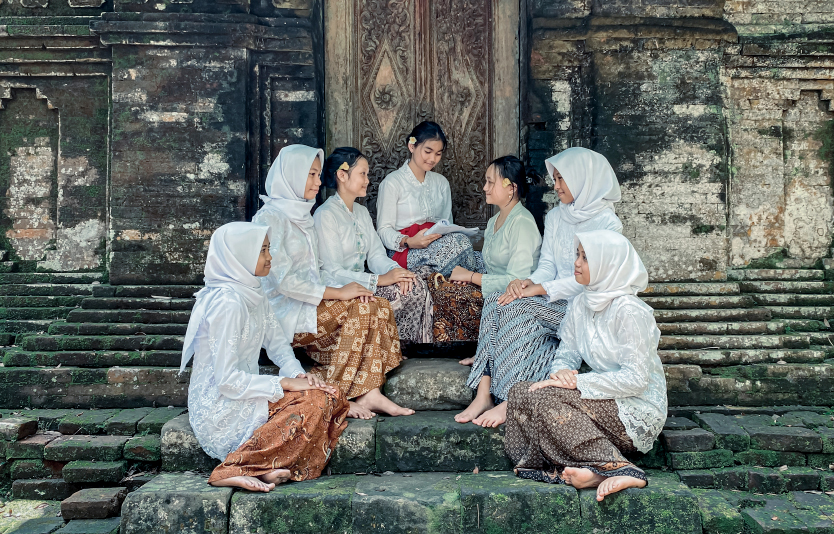
Kartini Day is celebrated on April 21 as part of Indonesia holidays to honor Raden Ajeng Kartini
3. Traditional Harvest Celebrations: Seren Taun and Ngaben
The Sundanese people of West Java celebrate Seren Taun, a traditional harvest festival that is one of the Indonesian public holidays. In addition to praying for future prosperity, the event serves as a way to express gratitude for a plentiful crop. The rice procession, where locals carry rice to traditional storage while traditional music and dance are played, is the highlight of the event.
Ngaben is a Balinese cremation ceremony. While it is not a national holiday, it is an important part of Balinese Hindu culture. This detailed ritual includes a big procession, symbolic offerings, and prayers. It reflects the Balinese belief in the cycle of life and the significance of the afterlife.
4. Connecting with the Community through Harvest and New Year Celebrations
Indonesia’s connection with its agrarian roots is evident in the festivals that celebrate harvests and new beginnings, reflecting the importance of nature and agriculture in the lives of Indonesians.
Galungan and Kuningan: A Balinese Celebration
In Bali, the Hindu festival of Galungan, recognized among Indonesian public holidays, celebrates the triumph of good over evil and the creation of the universe. During this time, ancestral spirits visit their descendants, and Balinese families prepare offerings of food and flowers. The streets are decorated with penjor, beautiful bamboo poles that represent prosperity. Kuningan, which takes place ten days after Galungan, marks the return of the spirits to their heavenly home. On this day, people make extra prayers and offerings to the gods and ancestors.
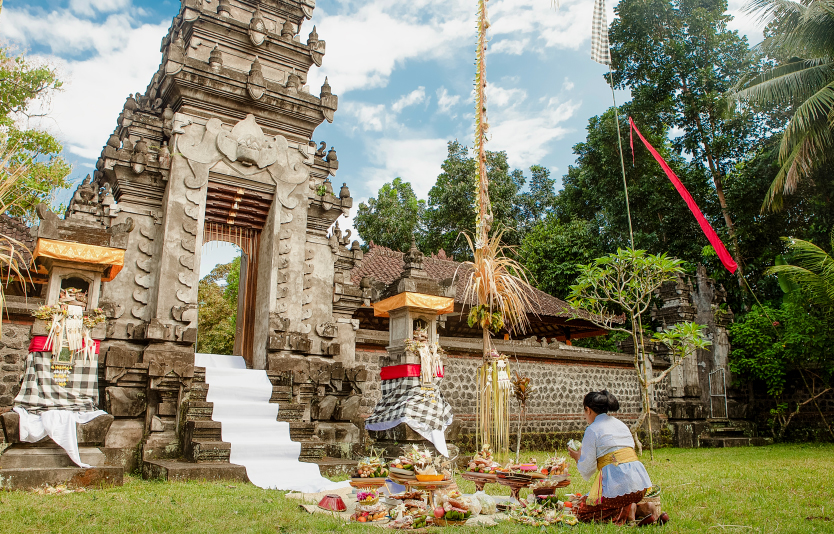
Galungan and Kuningan celebrate the triumph of good over evil and the creation of the universe
New Year’s Festivities with a Local Twist
New Year's Eve is a lively celebration in Indonesia and one of the exciting Indonesian national holidays. There are street parties, concerts, and fireworks in major cities like Jakarta, Bali, and Surabaya. Thousands of visitors from around the world come to Bali for its famous beach parties. The Lunar New Year, called Imlek in Indonesia, is also celebrated on the same day as New Year's Day. This holiday includes dragon dances, colorful decorations, and the giving of angpao, which are red envelopes filled with cash given to friends and family.
Waisak: Celebrating the Birth of Buddha
For the Buddhist community in Indonesia, Waisak or Vesak Day is an important holiday that marks the birth, enlightenment and death of Gautama Buddha. Waisak celebrations take place at the majestic Borobudur Temple in Central Java. Thousands of Buddhist monks and devotees gather to meditate, pray and release lanterns, symbolizing the light of hope and enlightenment.
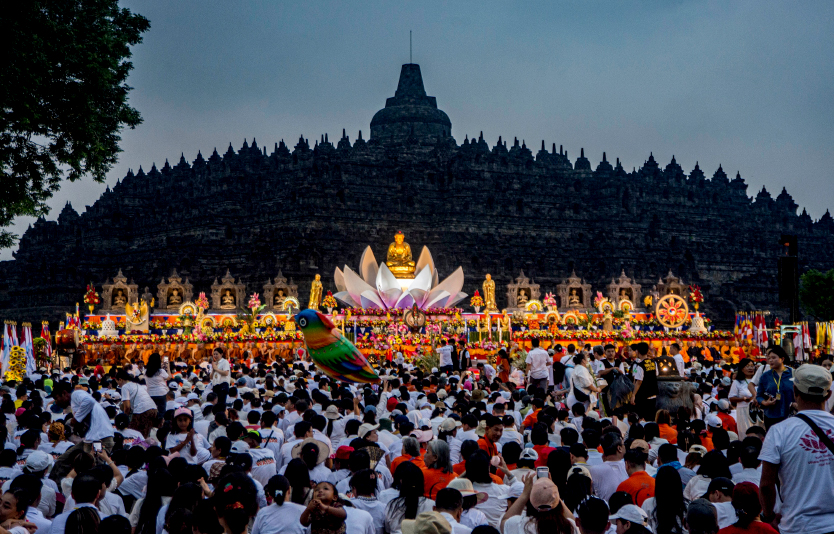
Vesak Day is an important holiday in Indonesia
Indonesian national holidays give a glimpse into the country’s culture and traditions. They celebrate unity and diversity. During these holidays, people come together in different ways. For example, Hari Raya Idul Fitri is full of joyful gatherings, while Nyepi is marked by quiet reflection. Independence Day celebrates the nation’s history, and Galungan showcases Bali’s lively traditions. These holidays let both visitors and locals experience the beauty of Indonesian culture.
For travelers, visiting Indonesia during these holidays offers a memorable experience. You can watch parades, join the celebrations, and enjoy traditional feasts. This will help you understand Indonesia's rich culture better. If you’re planning a trip, try to visit during one of these national holidays. You’ll get to see beautiful landscapes and connect more with the country’s traditions.
Are you ready to experience the cultural wonders of Indonesia? Pack your bags and join in these lively celebrations!
Tags