Indonesia’s World Heritage Sites: A Guide to Its UNESCO Treasures
Over 17,000 islands make up the enormous archipelago of Indonesia. This is well known for its rich cultural heritage and significant historical background. UNESCO has recognized Indonesia's World Heritage Sites for their worldwide worth. That makes them among its many treasures. These locations, which vary from lush rainforests to historic temples, provide insight into the nation's varied ecosystems and rich history. Discover the delights of Indonesia's UNESCO World Heritage List below with the aid of this guide. If you're a tourist hoping to visit any of the country's UNESCO World Heritage Sites, you will need to view the list.
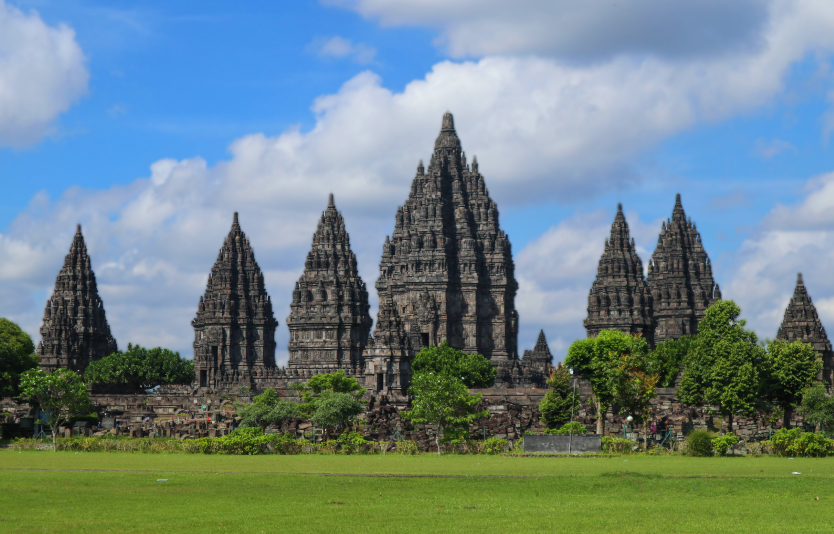
Discover Indonesia World Heritage Sites for international visitors
What Makes UNESCO Sites in Indonesia Special?
UNESCO World Heritage Sites are selected for their exceptional cultural or natural. Indonesia has a remarkable combination of these elements. This place reflects its position as a melting pot of cultures and a biodiversity hotspot. UNESCO World Heritage Sites represent a rich historical, spiritual and ecological richness that makes them must-see destinations for visitors from around the world.
The Cultural Gems of Indonesia’s UNESCO World Heritage List
1. Borobudur Temple Compounds
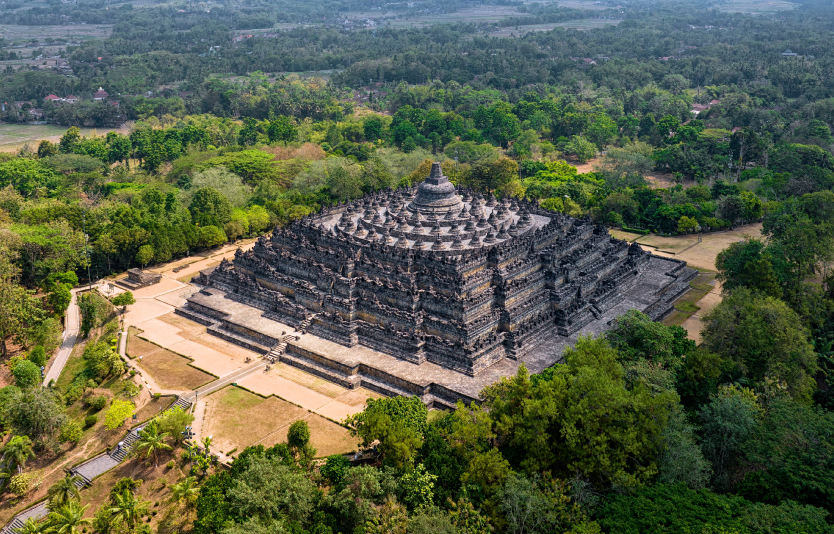
Borobudur Temple is one of the famous places for visitors in Indonesia
One of Indonesia's most famous cultural sites is the Borobudur Temple, which is situated in Central Java. The greatest Buddhist monument in the world was constructed in the ninth century. In Buddhist cosmology, the temple is built in the shape of a mandala, which represents the cosmos.
From the higher floors of the temple, visitors may take in a panoramic view of the dawn and marvel at the elaborate stone sculptures that illustrate Buddhist teachings. Borobudur is a crown gem among Indonesia's UNESCO sites since it is both an architectural wonder and a location of spiritual importance.
2. Prambanan Temple Compounds
The Prambanan Temple is located in Central Java. It is another breathtaking UNESCO World Heritage Site in Indonesia. This Hindu temple complex, dedicated to the gods Shiva, Vishnu and Brahma, was erected in the ninth century. It is well-known for its tall spires and detailed stone sculptures.
Prambanan combines mythology and history, with bas-reliefs illustrating Ramayana stories. The Ramayana Ballet, which takes place behind the temple's dazzling shadow at night, offers cultural acts for visitors.
3. Sangiran Early Man Site
An example of Indonesia's ancient history is the Sangiran Early Man Site in Central Java. One of the most important sites for studying the development of humans is this archeological site. This has produced several fossils of early hominids, including the well-known "Java Man."
The museum in Sangiran features tools, fossils and other objects. This is over a million years old. This location presents a singular chance to establish a connection with the distant past of humanity.
The Natural Marvels on the Indonesia UNESCO World Heritage List
4. Komodo National Park
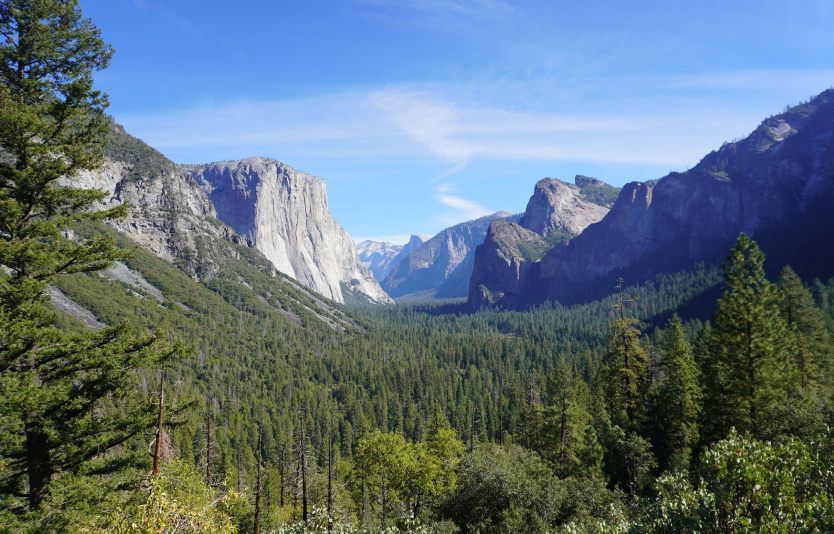
Komodo National Park is the only place to see Komodo dragons
Komodo National Park is a nature lover's delight, home to the famed Komodo dragons, the world's biggest living lizards. This UNESCO site in Indonesia consists of three main islands (Komodo, Rinca and Padar) as well as numerous smaller ones. It is a wonderland of mountainous terrain, coral reefs and unusual animals.
The park is a popular diving and snorkeling destination. The waters are alive with diverse marine life. Visitors may also walk the spectacular slopes of Padar Island to see some of Indonesia's most breathtaking sights. Komodo National Park seamlessly blends adventure, nature and heritage.
5. Ujung Kulon National Park
Ujung Kulon National Park is located on the western point of Java. It is a pristine wilderness recognized for its biodiversity. It's also as the final refuge of the critically endangered Javan rhinoceros. This UNESCO World Heritage Site in Indonesia is a tropical rainforest. That haven is complete with mangroves and gorgeous beaches.
Visitors may experience the area by hiking through the lush forests or kayaking along the streams. Ujung Kulon is a tranquil getaway for individuals who want to reconnect with nature.
6. Tropical Rainforest Heritage of Sumatra
Sumatra's Tropical Rainforest Heritage is a huge natural reserve. That includes three national parks: Gunung Leuser, Kerinci Seblat and Bukit Barisan Selatan. These parks collectively provide crucial habitat for endangered animals such as the Sumatran tiger, orangutan and rhinoceros.
This UNESCO heritage site in Indonesia is ideal for eco-tourism and adventure. Trekking through lush jungles and observing unique species. You can also admire towering waterfalls and volcanic vistas are among the activities available.
7. Lorentz National Park
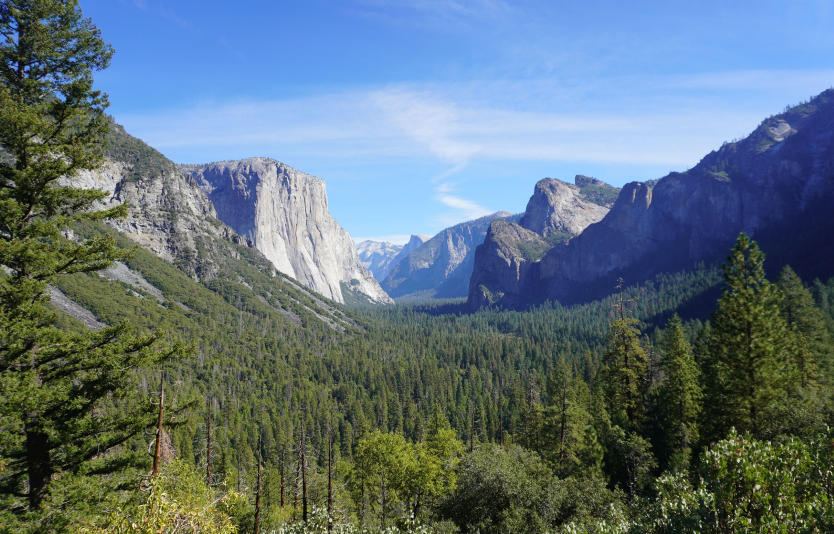
Lorentz National Park is a great destination for the UNESCO World Heritage list
Lorentz National Park is located in Papua. It is the largest protected area in Southeast Asia. This UNESCO-listed site is an ecological wonder, featuring glaciers, alpine meadows, rainforests and coastal mangroves.
The park is home to an astonishing variety of flora and fauna. This park is home to indigenous tribes who have lived in harmony with nature for centuries. Lorentz is also one of the few places in the tropics with glaciers. That makes it a unique destination on the Indonesia UNESCO World Heritage List.
Mixed Heritage: The Bali Cultural Landscape
8. Cultural Landscape of Bali Province: Subak System
The Subak system is a traditional water management method used in Bali’s rice terraces, reflecting the Balinese philosophy of "Tri Hita Karana," which promotes harmony among humans, nature and the spiritual realm.
This UNESCO site in Indonesia encompasses beautiful rice terraces and traditional villages. One of the highlights is the Jatiluwih Rice Terraces. Where visitors can witness the intricate irrigation systems and the daily lives of Balinese farmers.
The cultural and natural harmony displayed here makes it one of the best places to visit in Indonesia. That is for an immersive experience.
The Role of Indonesia World Heritage Sites in Conservation
Indonesia’s UNESCO World Heritage Sites are not just about tourism. They also play a critical role in preserving the country's cultural and natural treasures. These sites bring global attention to the importance of protecting endangered species. It is also safeguarding ancient monuments and maintaining traditional practices.
By visiting these locations, travelers contribute to ongoing conservation efforts. They can help support local communities that depend on sustainable tourism.
Tips for Visiting UNESCO Sites in Indonesia
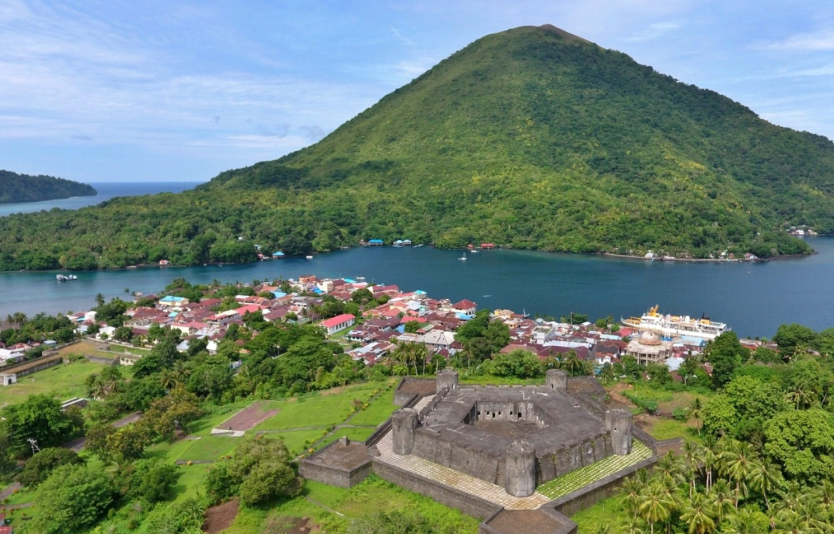
Tips for visitors when visiting UNESCO Sites in Indonesia
To make the most of your journey to explore Indonesia’s World Heritage Sites, here are some practical tips:
- Plan Ahead: Research the sites you want to visit and create an itinerary. Due to their remote locations, Komodo National Park or Lorentz National Park must have advanced planning.
- Respect Local Cultures: When visiting cultural sites like temples, dress and follow local customs.
- Travel Responsibly: Help preserve these precious sites by avoiding littering, staying on designated paths and respecting wildlife.
- Hire Local Guides: Engaging a knowledgeable guide can enhance your understanding of the site's history.
Conclusion: Discover the Wonders of Indonesia World Heritage Sites
Indonesia’s World Heritage Sites offer a unique window into the country's cultural and natural wealth. From the ancient temples of Borobudur and Prambanan to the wild landscapes of Komodo and Sumatra, these sites are a testament to Indonesia's rich history and biodiversity.
Exploring UNESCO sites in Indonesia is not just about sightseeing. It's about connecting with the stories, traditions and ecosystems. That makes the country so extraordinary. So why wait? Dive into the wonders of the Indonesia UNESCO World Heritage List. Create unforgettable memories on your next adventure.
Whether you're a history enthusiast or a nature lover, Indonesia's World Heritage Sites promise a journey like no other.
Tags