Nuratau Homestay Guide: Booking, Meals, and Language Tips
Tucked away in the rolling hills of central Uzbekistan, the Nuratau Mountains offer travelers an authentic cultural immersion that hotels simply cannot match. A Nuratau homestay experience connects visitors directly with local families, providing genuine insights into rural Uzbek life while exploring one of the country's most pristine natural regions. This comprehensive homestay guide will help you navigate the booking process, understand what to expect from local meals, and master essential language tips for meaningful connections with your host families.

The Nuratau Mountains
Understanding Nuratau Homestay Accommodations
What to Expect from Mountain Village Families
Nuratau homestay experiences vary significantly between villages, but most families offer basic yet comfortable accommodations in traditional courtyard houses. Rooms typically feature floor mattresses, thick quilts, and shared bathroom facilities with the host family.
Standard accommodation features:
- Private guest rooms with traditional Uzbek carpets and textiles
- Shared meals eaten family-style in the main courtyard or dining room
- Basic washing facilities, often with outdoor hand-washing stations
- Electricity available, though sometimes limited to evening hours
- Traditional heating methods using wood stoves during cold months
Seasonal Considerations for Mountain Homestays
The Nuratau region experiences distinct seasons that dramatically affect homestay experiences. Summer months offer pleasant temperatures and abundant local meals featuring fresh garden produce, while winter visits provide cozy indoor experiences with hearty traditional foods.
Best seasons for different experiences:
- Spring (March-May): Wildflowers bloom, mild temperatures, and fresh dairy products
- Summer (June-August): Fruit harvests, outdoor activities, and extended daylight
- Autumn (September-November): Harvest celebrations, comfortable weather, and preserved foods
- Winter (December-February): Intimate family time, traditional crafts, and warming meals
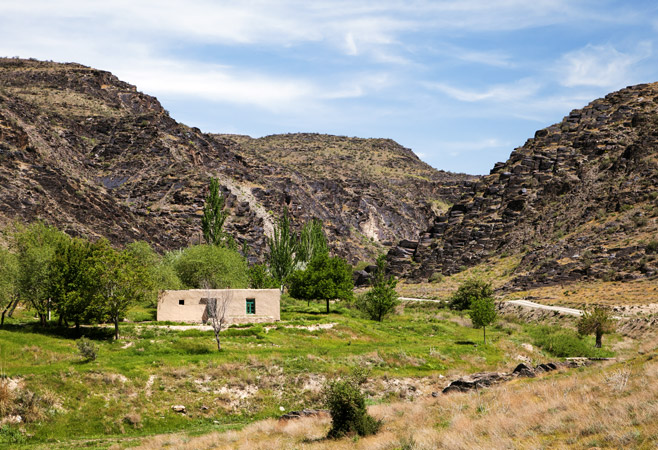
Nuratau, black mountains in Uzbekistan
Essential Booking Tips for Nuratau Homestays
Finding Reliable Host Families
Most successful Nuratau homestay bookings happen through established networks rather than online platforms. Local tourism cooperatives in villages like Sentob, Asraf, and Hayat manage family registrations and ensure quality standards.
Recommended booking methods:
- Contact the Nuratau-Kyzylkum Biosphere Reserve office directly
- Work with Samarkand-based tour operators specializing in rural tourism
- Connect through the Community-Based Tourism (CBT) network
- Ask for referrals from previous travelers through travel forums
Advance Planning and Communication
Successful homestay experiences require coordination between travelers and host families. Most families appreciate advance notice of dietary restrictions, arrival times, and special interests or activities.
Essential booking information to provide:
- Exact arrival and departure dates
- Number of travelers and any children
- Dietary restrictions or food allergies
- Interest in specific activities like hiking, crafts, or farming
- Language abilities and translation needs
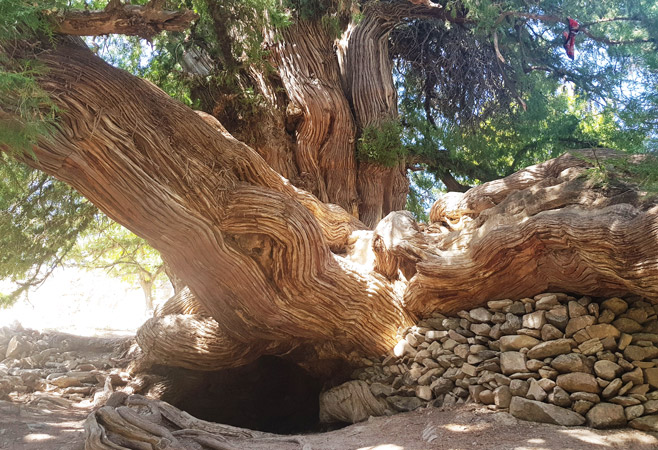
A 1300 year old tree in an uzbek village on the slopes of nuratau mountain
Cost Expectations and Payment Methods
Nuratau homestay costs remain remarkably affordable compared to hotel accommodations, typically ranging from $15-25 per person per night including all meals. Most families prefer cash payments in Uzbek Som, though some accept US dollars.
Typical cost breakdown:
- Accommodation and three meals: $20-25 per person per day
- Additional activities like guided hikes: $10-15 per day
- Traditional craft workshops: $5-10 per session
- Transportation from main roads: $5-10 each way
Experiencing Authentic Local Meals
Traditional Nuratau Mountain Cuisine
Local meals in Nuratau homestays showcase the region's agricultural heritage through simple yet flavorful dishes using fresh, seasonal ingredients. Families typically grow their own vegetables, raise livestock, and preserve foods using traditional methods passed down through generations.
Signature local meal experiences:
- Fresh bread baked daily in traditional tandoor ovens
- Seasonal vegetable dishes featuring tomatoes, cucumbers, and herbs
- Dairy products including fresh yogurt, cheese, and cream
- Meat dishes reserved for special occasions and honored guests
- Wild herb teas collected from mountain slopes
Meal Timing and Family Dining Customs
Nuratau families follow traditional meal patterns that reflect both Islamic customs and agricultural rhythms. Breakfast typically occurs early, lunch during the hottest part of the day, and dinner becomes a social event bringing families together.
Understanding meal customs:
- Breakfast: Simple bread, tea, jam, and dairy products around 7-8 AM
- Lunch: Light meal with fresh vegetables and leftovers around 1-2 PM
- Dinner: Main meal featuring hot dishes and family conversation around 7-8 PM
- Tea time: Continuous throughout the day with guests always welcomed
Dietary Accommodations and Special Requests
Most Nuratau homestay families can accommodate common dietary restrictions with advance notice. Vegetarian meals present no challenges given the abundance of fresh produce, while other restrictions require clear communication during booking.
Common dietary accommodations:
- Vegetarian and vegan options using garden vegetables and grains
- Gluten-free alternatives focusing on rice, vegetables, and dairy
- Halal preparations standard in all Muslim households
- Reduced salt or sugar options for health considerations
Language Tips for Meaningful Connections
Essential Uzbek Phrases for Homestay Guests
Learning basic Uzbek phrases dramatically enhances homestay experiences and shows respect for local culture. Most rural families speak limited English, making language preparation essential for deeper connections.
Must-know Uzbek phrases:
English | Uzbek | Pronunciation |
Hello/Peace be upon you | Assalomu alaykum | ah-sah-LO-mu ah-LAY-kum |
Thank you | Rahmat | rah-MAHT |
Delicious | Mazali | mah-zah-LEE |
Please | Iltimos | il-ti-MOHS |
Good morning | Xayrli tong | KHUY-rlee tong |
Good night | Xayrli tun | KHUY-rlee toon |
Communication Strategies Beyond Language
Non-verbal communication becomes crucial when language barriers exist. Smiling, gesturing, and showing genuine interest in family activities often communicate more effectively than words.
Effective communication techniques:
- Photo sharing on phones creates instant conversation starters
- Simple drawing or writing helps explain concepts
- Participating in daily activities demonstrates respect and interest
- Learning family members' names shows personal connection
- Expressing appreciation through facial expressions and tone
Using Translation Technology Wisely
Modern translation apps can bridge communication gaps, but they work best as supplements to basic language knowledge rather than primary communication methods. Offline translation capabilities prove essential in mountain areas with limited internet connectivity.
Recommended translation tools:
- Google Translate with downloaded Uzbek language pack
- Simple phrase books or printed translations
- Voice translation apps for complex conversations
- Photo translation for reading signs or written materials
Cultural Etiquette and Respect Guidelines
Understanding Uzbek Hospitality Traditions
Uzbek homestay families take hospitality seriously, often going to extraordinary lengths to ensure guest comfort. Understanding these customs helps travelers appreciate gestures while avoiding inadvertent offense.
Key hospitality customs:
- Removing shoes before entering homes
- Accepting offered tea and food as signs of respect
- Sitting properly during meals (men and women may eat separately)
- Showing interest in family photos and stories
- Offering small gifts from your home country
Gift-Giving and Cultural Exchange
Thoughtful gifts enhance homestay relationships and provide opportunities for cultural sharing. Simple, practical items often prove more appreciated than expensive purchases.
Appropriate gift ideas:
- Photos or postcards from your home country
- Small souvenirs representing your culture
- Children's books in English for families with school-age kids
- Quality tea or coffee unavailable locally
- Simple tools or household items if specifically requested
Practical Preparation and Packing Considerations
Essential Items for Mountain Homestays
Nuratau's remote location requires careful packing of personal items that may be unavailable locally. Comfortable clothing suitable for both indoor family time and outdoor mountain activities proves essential.
Packing essentials:
- Comfortable walking shoes for varied terrain
- Layers for temperature changes between day and night
- Personal toiletries and any required medications
- Flashlight or headlamp for evening activities
- Water bottle for mountain hikes
- Camera for documenting experiences
Health and Safety Preparations
While Nuratau homestays are generally safe, remote locations require basic health preparations and understanding of available medical facilities. Most serious medical issues require transport to larger towns.
Health considerations:
- Basic first aid supplies for minor cuts or headaches
- Any required prescription medications with extras
- Stomach remedies for dietary adjustments
- Insect repellent during warmer months
- Sun protection for mountain outdoor activities
Activities and Experiences Beyond Accommodation
Hiking and Nature Exploration
The Nuratau Mountains offer excellent hiking opportunities ranging from gentle village walks to challenging mountain climbs. Most homestay families can arrange local guides familiar with safe routes and points of interest.
Popular hiking destinations:
- Village-to-village walking routes through agricultural areas
- Mountain trails leading to viewpoints and wild camping spots
- Historical sites including ancient petroglyphs and ruins
- Natural springs and seasonal waterfalls
- Wildlife observation areas for endemic species
Traditional Craft Learning Opportunities
Many homestay families maintain traditional crafts including carpet weaving, embroidery, and pottery. Learning these skills provides deeper cultural understanding while supporting local artisan traditions.
Available craft experiences:
- Carpet weaving techniques using traditional looms
- Bread making in family tandoor ovens
- Embroidery patterns specific to the region
- Felt production from sheep wool
- Traditional music and dance lessons
How far in advance should you book a Nuratau homestay?
Booking 2-4 weeks in advance ensures availability with preferred families and allows time for proper communication about dietary needs and activities. However, last-minute arrangements are sometimes possible through local tourism cooperatives, especially during off-peak seasons.
What level of comfort should you expect in mountain homestays?
Nuratau homestay accommodations provide basic comfort with clean bedding, adequate food, and warm hospitality rather than luxury amenities. Expect shared bathrooms, simple furnishings, and family-style living that emphasizes cultural exchange over hotel-like services.
Do Nuratau homestay families speak English?
Most rural families speak limited English, making basic Uzbek phrases and translation apps essential for communication. However, younger family members often know some English, and non-verbal communication combined with genuine interest in family life often bridges language gaps effectively.
Experience Authentic Nuratau Homestay Adventures with Professional Visa Support
A Nuratau homestay offers travelers unparalleled access to authentic Uzbek mountain culture, where traditional hospitality meets stunning natural landscapes. These intimate accommodations provide genuine cultural immersion through shared meals with local families, participation in daily village life, and opportunities to explore pristine mountain wilderness. However, experiencing this remarkable destination requires proper visa documentation for international visitors.
GVC provides specialized visa services designed for travelers seeking unique experiences like Nuratau homestay adventures. Their streamlined application process eliminates documentation stress, allowing you to focus on learning essential language tips and planning meaningful cultural exchanges with host families. Whether you need to track your visa application status, understand comprehensive pricing for travel documentation, or access detailed Uzbekistan visa requirements, professional support ensures smooth travel preparation.
Nuratau homestay experiences reward prepared travelers with profound connections to rural Uzbek life rarely accessible through conventional tourism. From morning bread-baking sessions with host families to evening stargazing in mountain silence, these authentic encounters create lasting memories and cultural understanding. Professional visa processing services mean you can concentrate on mastering basic Uzbek phrases and preparing thoughtful gifts for your host families rather than worrying about entry documentation complexities.
Related Articles:
- The Ultimate Uzbekistan Travel Guide What Travelers Need To Know
- Plan Your Perfect Holidays To Uzbekistan A Complete Guide
- English As A Foreign Language In Uzbekistan
- Currency In Uzbekistan Must Read Guideline Before You Travel To Uzbekistan
- Smart Traveller Uzbekistan Safe And Rewarding Travel
- Uzbekistan Entry Requirements Things To Prepare Before Traveling
- Prepare To Travel The Best Time To Visit Uzbekistan
Tags