Old Mahallas of Tashkent: Courtyard Culture, Morning Routines and Local Neighborhood Walks
The alarm clock hasn't gone off yet, but the sounds of the Tashkent old quarters have already begun their daily symphony. A neighbor sweeps her courtyard, the rhythmic swish of the broom against stone echoing through the narrow passage. Somewhere down the alley, a grandmother calls her grandchildren for breakfast. This is the real Tashkent—the one you won't find in glossy tourist brochures.
The old mahallas of Tashkent offer something rare in modern travel: authentic neighborhood life that, in many areas, remains largely untouched by mass tourism. These historic residential districts reveal how Uzbek families have lived in courtyard-centered communities for generations. Walking these neighborhoods at dawn becomes a privilege, a window into the daily rhythms that define Tashkent local life.

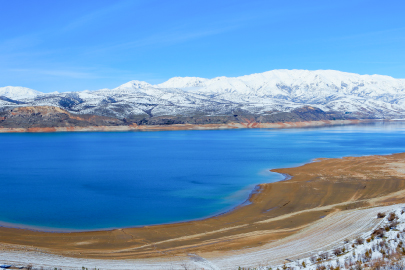
Residents of the mahallas of the Old City in winter
The Architecture of Community: Understanding Uzbekistan Courtyard Houses
Traditional Uzbekistan courtyard houses tell a story about priorities. Families didn't build outward—they built inward, creating private havens centered around open-air courtyards called hovlis. These spaces became the heart of domestic life, where children played, mothers prepared meals, and neighbors gathered for tea.
The typical mahalla home features:
- Thick adobe or brick walls that keep interiors cool during scorching summers
- Carved wooden doors leading from the street into private courtyards
- Ayvans (covered porches) that provide shaded seating areas
- Grape trellises and fruit trees that offer natural cooling
- Low tables (dastarkhan) where families take meals seated on cushions
The genius of this design becomes clear around midday when temperatures soar past 40°C. While modern apartments bake in the sun, these traditional homes remain surprisingly comfortable. The courtyard acts as a natural air conditioner, with trees providing shade and evaporative cooling.
Walk through districts like Sebzar, Eski Juva, or parts of the Chorsu area, and you'll notice how these homes turn blank faces to the street. Privacy matters here. But peek through an open gate (always ask permission first), and you'll discover lush green spaces that feel like secret gardens in the middle of the city.
Dawn in the Mahallas: Tashkent Morning Routines Unfold
Setting out on a Tashkent walking tour at 6:00 AM might seem early, but it's actually prime time in the mahallas. The neighborhood has already been awake for an hour, and morning routines reveal the social fabric that holds these communities together.
The first activity starts before sunrise when elderly men head to neighborhood mosques for morning prayers. By 6:30 AM, they've returned and gathered at chaikhanas (teahouses) for their first cup of green tea. These aren't tourist spots—they're local institutions where the same group of neighbors has been meeting for decades.
Women emerge shortly after, armed with buckets and brooms. The daily courtyard cleaning isn't just about hygiene; it's a ritual that marks the transition from night to day. Water splashed on hot stones creates a momentary coolness and settles the dust. The sound becomes the neighborhood's wake-up call.
By 7:00 AM, the bread run begins. Grandmothers and children make their way to the nearest non (bakery) for fresh obi non, the traditional round flatbread that accompanies every meal. The baker pulls loaves from the clay tandoor oven, each one marked with decorative patterns pressed in by hand. The bread is still warm when it reaches the breakfast table.
Meanwhile, courtyards fill with breakfast smells: fresh cream (kaymak), thick honey, and brewing tea. Uzbek breakfast isn't elaborate, but it's communal. Families gather around low tables, tearing bread together, discussing the day ahead.
Walking the Neighborhood: A Different Kind of Tashkent Walking Tour
Forget the guided tours that shuttle you between monuments in air-conditioned buses. The best way to understand Tashkent local life is to simply walk the mahallas with open eyes and respectful curiosity.
Start in the Eski Shahar (Old City) area near Chorsu Bazaar. From there, follow narrow lanes that branch off the main roads. You won't get lost—mahallas are tightly knit and maze-like, and while it’s easy to lose your sense of direction, locals are usually quick to help
What to observe:
- Doorway designs – Each carved wooden door tells a story through its patterns
- Courtyard gates left slightly open – This signals neighbors are welcome to stop by
- Children's chalk drawings on walls and pavements
- Communal water taps where neighbors meet and chat
- Makeshift benches under shady trees where elderly men play backgammon
- Satellite dishes perched on ancient walls – tradition meeting modernity
The key is to walk slowly and pause often. When someone makes eye contact and smiles, smile back. Many residents, especially older generations, welcome brief conversations. A few words of Russian or Uzbek help ("Assalomu alaykum" is the universal greeting), but English speakers can be found, particularly among younger people.
Best times for mahalla walks:
- Early morning (6:00-9:00 AM) – Coolest temperatures, most neighborhood activity
- Late afternoon (5:00-7:00 PM) – Families gathering after work, dinner preparations beginning
- Avoid midday – Streets empty as everyone retreats indoors from the heat
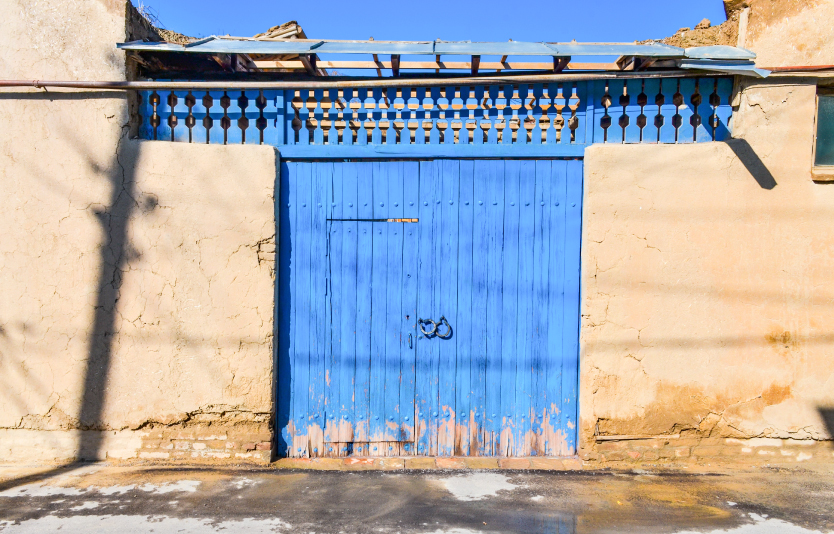
Blue house gates in traditional Uzbek Hazrati Imam mahalla
The Social Structure: How Mahallas Function
The mahalla system is more than physical architecture—it's a social organization that's existed for over a thousand years. Each neighborhood has an elected leader (an aksakal, literally "white beard") who settles disputes, organizes celebrations, and maintains community welfare.
This structure creates an incredible safety net. When a family faces hardship, the mahalla community mobilizes. Weddings become neighborhood affairs with hundreds of guests. Funerals bring the entire district together. Children grow up watched by dozens of "aunts" and "uncles" who aren't related by blood but by proximity and shared life.
For visitors, this means you're entering a space where everyone knows everyone. It's welcoming but also requires respect. Loud behavior, inappropriate clothing, or intrusive photography will be noticed and frowned upon.
Practical Tips for Exploring Tashkent Old Quarters
Dress appropriately: This isn't strictly enforced, but modest clothing (covering shoulders and knees) shows respect. Women might receive more welcoming interactions when dressed conservatively.
Bring small gifts: If someone invites you into their courtyard, a small offering (fruit, sweets, or bread) is appreciated though not expected.
Photography etiquette: Always ask permission before photographing people or peering into courtyards. Many families will proudly show you their homes if you ask politely, but uninvited photography feels invasive.
Language basics: Learn a few Uzbek phrases. "Raxmat" (thank you), "Assalomu alaykum" (hello), and "Xayr" (goodbye) go a long way.
Timing matters: Friday mornings see increased mosque attendance. Avoid visiting during prayer times (around 1:00 PM on Fridays) when streets are busiest.
Hydration: Carry water, especially during summer months. Temperatures can exceed 40°C (104°F) by midday.
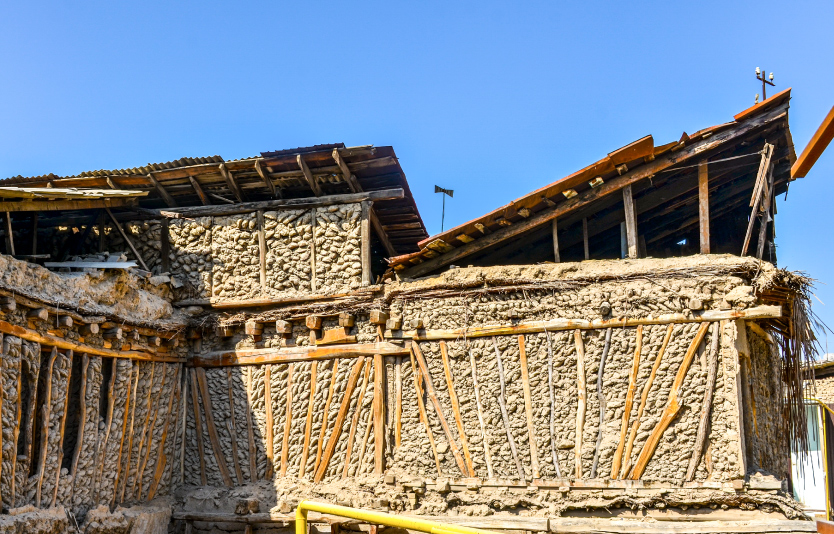
Adobe walls of old mahalla houses in Olmazor district (Tashkent, Uzbekistan)
Where to Focus Your Mahalla Exploration
Neighborhood | Characteristics | Best For |
Sebzar Mahalla | Well-preserved traditional houses, tree-lined streets | Photography, architecture enthusiasts |
Eski Juva | Active community life, authentic daily routines | Cultural immersion, morning walks |
Chorsu Area | Mix of old and new, proximity to bazaar | First-time visitors, convenient access |
Beyond Tourism: Understanding What You're Witnessing
These mahallas face real pressures. Modern development encroaches constantly. Young people often prefer apartments with air conditioning and modern plumbing over traditional courtyard houses that require constant maintenance. City planners sometimes view these old quarters as obstacles to progress rather than cultural treasures worth preserving.
Yet the mahalla spirit persists. On summer evenings, courtyards fill with three generations sharing meals. Neighbors still knock on each other's doors with plates of fresh plov (pilaf). Children play the same games their grandparents played. The physical structures may be aging, but the social fabric remains strong.
Walking these neighborhoods, you're witnessing a way of life that's increasingly rare globally. Community in the truest sense—where people know their neighbors' names, where children are raised collectively, where doors remain unlocked because trust isn't an anomaly but the foundation of daily existence.
The Morning Tea Ritual: Join If Invited
If your mahalla wanderings coincide with an invitation to morning tea, accept it. The ritual follows a pattern refined over centuries. Green tea arrives in a pot, poured into small bowls called piola. The host pours three times, returning the tea to the pot before finally filling your bowl—a traditional practice meant to mix the brew properly and show care for guests.
Bread sits at the center of the table, never upside down (considered disrespectful). Jams, cream, and nuts accompany the tea. Conversation flows easily, often helped by universal topics: family, work, weather. These moments of connection offer more insight into Uzbek culture than any museum exhibition.
Seasonal Changes in Mahalla Life
The mahallas transform with seasons. Spring brings fruit tree blossoms, covering courtyards in pink and white petals. Summers drive life outdoors—families sleep on sufa (raised wooden platforms) in courtyards to escape indoor heat. Autumn means harvest celebrations and courtyard walls draped with drying peppers and grapes. Winter sees life retreating indoors, around sandal (traditional heating tables covered with quilts).
Each season offers different insights, though summer mornings and autumn afternoons provide the most comfortable walking conditions for visitors unaccustomed to Central Asian climate extremes.
What This Means for Your Tashkent Visit
Skip the hop-on-hop-off bus. Trade one monument visit for a morning in the mahallas. The old quarters of Tashkent reveal something guidebooks can't capture: the living, breathing culture that continues despite modernization pressures.
You won't see dramatic Instagram backdrops. You'll see real life—children heading to school, neighbors sharing gossip over tea, craftsmen working in shaded doorways. These ordinary moments become extraordinary when you realize they're part of an unbroken chain stretching back centuries.
The mahallas teach us that culture isn't just preserved in museums and monuments. It lives in daily routines, in the architecture of community, in the morning sweep of a courtyard broom against ancient stones.
Frequently Asked Questions
Are the old mahallas of Tashkent safe to explore independently?
Yes, the Tashkent old quarters are remarkably safe for independent exploration. The tight-knit community structure means strangers are noticed but also looked after. Walk during daylight hours, respect local customs, and you'll find these neighborhoods welcoming. Most safety concerns come from stray dogs (usually harmless) and uneven pavements rather than crime.
What's the best time of year to visit the mahallas?
Spring (April-May) and autumn (September-October) offer ideal conditions. Summer temperatures exceed 40°C, making midday exploration uncomfortable, though early mornings remain pleasant. Winter can be quite cold, and some courtyard activities move indoors, reducing the visible street life that makes mahalla walks special.
Can I enter private courtyards, or should I stay on public streets?
Stay on public streets unless specifically invited. While Uzbek hospitality is legendary, entering private property without permission is intrusive. If a gate stands wide open and you hear voices inside, you can politely call out "Assalomu alaykum" and wait. Often, residents will welcome you in for tea, especially if you show genuine interest in their home and traditions.
Planning Your Uzbekistan Journey: Visa Information and Support
Exploring the Old Mahallas of Tashkent requires proper travel documentation, and getting your Uzbekistan visa doesn't have to be complicated. GVC specializes in streamlining the visa application process, helping travelers secure their entry permits efficiently. Whether you're planning an extended cultural immersion in Tashkent's historic neighborhoods or a broader Central Asian adventure, having visa requirements handled professionally lets you focus on planning your perfect mahalla walking experience.
The process begins with understanding current requirements, which vary by nationality and trip duration. Many travelers now qualify for Uzbekistan's e-visa program, significantly simplifying the application process. You can explore detailed information about entry requirements and start your application through GVC's dedicated Uzbekistan destination page, where country-specific guidelines are regularly updated to reflect the latest regulations.
Budget planning matters for any trip, and visa costs form part of your overall travel expenses. Transparent pricing helps you plan accurately, which is why checking current e-visa service fees at GVC before beginning your application makes sense. Once you've submitted your application, tracking its progress provides peace of mind during the waiting period. The visa status checking service keeps you informed throughout the processing timeline, so you'll know exactly when your approved visa arrives and can confidently book those early morning mahalla walks in Tashkent's most authentic neighborhoods.
Related Articles:
- Best Places To Visit In Tashkent Discover Uzbekistans Hidden Gems
- Tashkent Sightseeing Places Complete Guide For International Visitors
- Travel Guide To Tashkent The Capital Of Uzbekistan
- Discovering The Best Time To Visit Tashkent Seasonal Guide
- Cities To Visit In Uzbekistan Exploring Best Destinations
- Best Cities To Visit In Uzbekistan Journey Through Time Culture
- Tashkent Metro Art Tour Station Guide
Tags