Greater vs. Small Chimgan: Which Peak Suits Beginners
Standing at the edge of the Tashkent region's most accessible mountain range, many first-time climbers face a crucial decision: tackle the challenging Greater Chimgan or start with the more forgiving Small Chimgan. This mountain comparison will help you understand which of these beginner peaks best matches your fitness level, experience, and adventure goals. Located just 80 kilometers from Uzbekistan's capital, both peaks offer stunning views and memorable experiences, but choosing the right one can make the difference between an enjoyable challenge and an overwhelming struggle.
The Chimgan Mountains
Understanding the Chimgan Mountain Range
Geographic Location and Accessibility
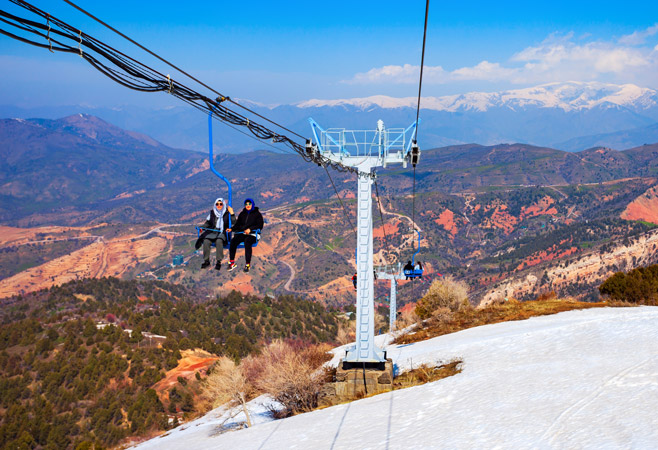
The Chimgan Mountains form part of the western Tian Shan range, offering Central Asia's most accessible alpine experience for international travelers. Both Greater Chimgan and Small Chimgan sit within easy reach of Tashkent, making them popular weekend destinations for locals and convenient climbing options for visitors with limited time.
Key location advantages:
- Only 1.5-hour drive from Tashkent's city center
- Well-established transport connections via shared taxis and private cars
- Developed infrastructure with guesthouses and equipment rental
- Year-round accessibility with seasonal variations in difficulty
Climate and Weather Patterns
The Chimgan region experiences a continental mountain climate with distinct seasons affecting climbing conditions. Understanding weather patterns helps with peak selection and timing your adventure for optimal safety and enjoyment.
Seasonal climbing conditions:
- Spring (March-May): Melting snow creates muddy trails but offers wildflower displays
- Summer (June-August): Generally good weather, though afternoon thunderstorms are still possible.
- Autumn (September-November): Clear skies and comfortable temperatures
- Winter (December-February): Snow requires advanced skills and proper equipment

Greater Chimgan
Greater Chimgan: The Challenging Summit
Technical Difficulty and Physical Demands
Greater Chimgan stands at 3,309 meters, making it significantly more demanding than its smaller neighbor. This peak requires strong physical conditioning and previous high-altitude hiking experience; it is not recommended for complete beginners.
Greater Chimgan characteristics:
- Elevation gain: Approximately 1,500–1,700 meters from common starting points near Chimgan village.
- Typical climbing time is 12–14 hours for experienced hikers, and many climbers complete the ascent over two days due to the mountain’s demanding terrain.
- Trail difficulty: Steep sections with loose rock and potential snow
- Technical skills: Basic scrambling and route-finding ability helpful
- Weather exposure: Significant temperature changes with elevation
Route Options and Navigation
Multiple routes lead to Greater Chimgan's summit, with the standard path following established trails through alpine meadows before ascending steeper rocky terrain. The final approach requires careful navigation and the ability to identify the correct summit among several false peaks.
Standard route highlights:
- Only the lower section follows recognizable paths; the upper half has minimal markings and requires careful navigation or a local guide
- Stream crossings that may require careful planning
- Exposed ridgeline sections with dramatic views
- Final summit approach through rocky terrain
- Clear weather essential for safe descent
Equipment and Preparation Requirements
Climbing Greater Chimgan safely requires more comprehensive equipment than Small Chimgan, particularly for weather protection and emergency situations. The mountain's elevation and exposure create conditions that can change rapidly.
Essential gear for Greater Chimgan:
- Sturdy hiking boots with ankle support
- Layered clothing system for temperature variations
- Rain/wind protection and warm layers
- Navigation tools (map, compass, or GPS device)
- Emergency supplies including first aid and extra food
- Headlamp for early starts or potential night descent
Small Chimgan
Small Chimgan: The Beginner-Friendly Option
Why Small Chimgan Works for First-Time Climbers
At 2,099 meters elevation, Small Chimgan provides an excellent introduction to mountain hiking without the technical challenges and physical demands of its larger neighbor. This peak offers genuine mountain experiences while remaining accessible to hikers with basic fitness levels.
Small Chimgan advantages:
- Moderate elevation gain: Approximately 800 meters from trailhead
- Most hikers complete Small Chimgan in 5–7 hours depending on pace and route choice
- Clear, well-established trail with minimal navigation challenges
- Lower altitude reduces weather-related risks
- Excellent training for more ambitious future climbs
Trail Features and Scenic Highlights
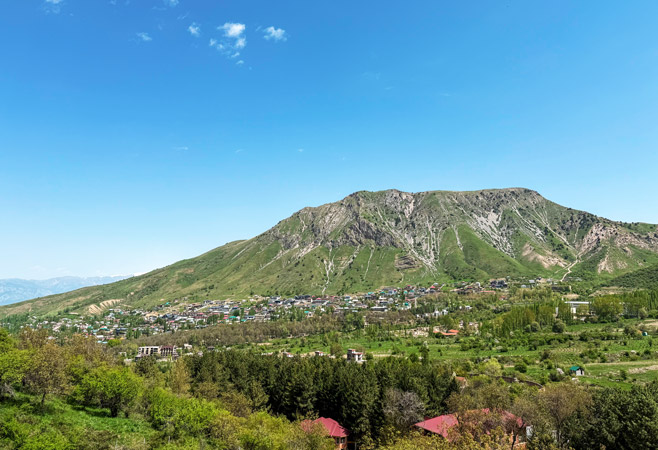
The Small Chimgan route showcases the region's natural beauty through diverse landscapes including forests, meadows, and rocky outcrops. Hikers experience genuine mountain environments without extreme exposure or technical difficulties.
Trail experience highlights:
- Gentle forest sections with shade and wildlife viewing
- Open meadows perfect for rest breaks and photography
- Panoramic views of the surrounding mountain range
- Stream crossings on established bridges or easy rock hops
- Summit views encompassing both valleys and distant peaks
Equipment Needs and Cost Considerations
Small Chimgan requires basic hiking equipment that most travelers can easily acquire or rent locally. The reduced gear requirements make this peak more budget-friendly and accessible for spontaneous adventures.
Basic equipment for Small Chimgan:
- Comfortable hiking shoes (mountain boots not essential)
- Weather-appropriate clothing layers
- Day pack with water and snacks
- Sun protection (hat, sunglasses, sunscreen)
- Basic first aid supplies
- Camera for capturing mountain views
Direct Mountain Comparison for Peak Selection
Physical Fitness Requirements
Aspect | Greater Chimgan | Small Chimgan |
Fitness Level Needed | Good to excellent | Basic to moderate |
Daily Exercise Preparation | 4-6 weeks recommended | 1-2 weeks sufficient |
Previous Experience | Mountain hiking helpful | Regular walking adequate |
Understanding your current fitness level honestly helps determine which peak matches your abilities. Greater Chimgan demands cardiovascular endurance and leg strength for sustained uphill hiking, while Small Chimgan accommodates average fitness levels with proper pacing.
Time Investment and Planning
Greater Chimgan timeline:
- Pre-climb preparation: 4-6 weeks of fitness building
- Climbing day: Full day commitment (10-14 hours total)
- Recovery time: 1-2 days for muscle recovery
- Weather windows: Requires careful timing for safety
Small Chimgan timeline:
- Pre-climb preparation: 1-2 weeks of basic conditioning
- Climbing day: Half to full day (6-8 hours total)
- Recovery time: Minimal, suitable for active travelers
- Weather flexibility: More forgiving conditions allow flexible timing
Cost Analysis and Budget Planning
Both peaks offer affordable mountain experiences compared to international climbing destinations, but Greater Chimgan requires higher investment in equipment and potentially guide services.
Typical cost breakdown:
- Transport from Tashkent: $15-25 per person (both peaks)
- Equipment rental: $10-15 for Small Chimgan, $25-40 for Greater Chimgan
- Guide services: Optional for Small Chimgan ($30-50), recommended for Greater Chimgan ($50-80)
- Accommodation: Guesthouse options $20-35 per night
Safety Considerations and Risk Management
Weather-Related Hazards
Mountain weather creates the primary safety concern for both peaks, but Greater Chimgan's elevation exposes climbers to more severe conditions and rapid weather changes.
Key safety factors:
- Lightning risk during afternoon thunderstorms (both peaks)
- Temperature drops with elevation gain (more severe on Greater Chimgan)
- Visibility reduction in clouds or fog (navigation challenges)
- Wind exposure on ridgelines and summit areas
- Rain creating slippery rock surfaces
Emergency Preparedness
Small Chimgan's shorter distance from roads and lower elevation provide easier evacuation options, while Greater Chimgan requires more comprehensive emergency planning.
Emergency considerations:
- Cell phone coverage varies: Small Chimgan often maintains signal, while Greater Chimgan has patchy reception near upper ridges and the summit.
- Rescue access easier from Small Chimgan routes
- Weather shelter availability varies by season
- Medical facilities located in Chimgan village
- Emergency equipment recommendations differ by peak choice
Making Your Peak Selection Decision
Honest Self-Assessment Questions
Before choosing between these beginner peaks, consider your hiking experience, fitness level, and comfort with mountain environments. Honest evaluation prevents disappointing experiences and potential safety issues.
Key decision factors:
- Maximum hiking distance completed in recent months
- Comfort level with elevation gain and sustained effort
- Previous experience with changing weather conditions
- Available time for preparation and the climb itself
- Budget for equipment and potential guide services
Alternative Options and Compromise Solutions
Travelers unsure about peak selection can consider middle-ground approaches that provide mountain experience while managing risk and physical demands.
Flexible alternatives:
- Start with Small Chimgan and assess capability for Greater Chimgan
- Join organized groups for shared experience and safety
- Plan multi-day visits allowing attempts on both peaks
- Consider partial ascents focusing on views rather than summits
- Explore lower elevation trails in the Chimgan area first
Local Guide Recommendations
Local guides provide valuable insights for peak selection based on current conditions, individual capabilities, and safety considerations. Their experience helps match climbers with appropriate challenges.
Guide service benefits:
- Real-time weather and trail condition updates
- Personalized advice based on observed fitness levels
- Emergency response capability and local knowledge
- Equipment recommendations and rental assistance
- Cultural insights enhancing the overall experience
Which peak should complete beginners choose?
Small Chimgan offers the ideal introduction to mountain hiking with manageable physical demands, clear trails, and lower risk factors. Complete beginners can build confidence and assess their interest in more challenging peaks without overwhelming themselves physically or technically.
How much hiking experience do you need for Greater Chimgan?
Greater Chimgan requires at least basic mountain hiking experience, including comfort with steep terrain, navigation skills, and the ability to hike 8+ hours. Previous multi-day hiking or successful completion of Small Chimgan provides good preparation for this more demanding peak.
Can you climb both peaks during one visit?
Yes, many visitors successfully climb Small Chimgan first, then attempt Greater Chimgan 2-3 days later. This approach allows assessment of personal capabilities while maximizing mountain experiences during limited travel time.
Explore Chimgan Mountain Adventures with Seamless Travel Documentation
The Chimgan Mountains offer some of Central Asia's most accessible alpine experiences, where both challenging Greater Chimgan and beginner-friendly Small Chimgan provide unforgettable adventures within easy reach of Tashkent. These peaks attract outdoor enthusiasts seeking authentic mountain experiences without the complexity of remote expedition logistics. However, international travelers planning Chimgan adventures need proper visa documentation to access these remarkable mountain destinations.
GVC specializes in streamlined visa processing for adventure travelers heading to unique destinations like the Chimgan range. Their efficient services eliminate documentation stress, allowing you to focus on physical preparation and equipment planning for your chosen peak. Whether you need to verify your visa processing status or explore current visa service pricing, professional assistance ensures your mountain adventure begins smoothly.
Chimgan mountain experiences reward prepared travelers with stunning alpine views, genuine physical challenges, and profound satisfaction from summit achievements. From Small Chimgan's accessible trails perfect for building mountain confidence to Greater Chimgan's demanding routes offering serious alpine adventure, these peaks provide progressive climbing opportunities for all skill levels. Professional Uzbekistan visa support means you can concentrate on choosing the right peak for your abilities and preparing for safe mountain adventures rather than worrying about entry requirements. Begin planning your Central Asian mountain adventure with confidence, knowing your travel documentation will be expertly handled through reliable processing services.
Related Articles:
- Ugam Chatkal National Park Uzbekistans Hidden Natural Paradise
- The Ultimate Uzbekistan Travel Guide What Travelers Need To Know
- Travel Guide To Tashkent The Capital Of Uzbekistan
- Prepare To Travel The Best Time To Visit Uzbekistan
- Smart Traveller Uzbekistan Safe And Rewarding Travel
- Travel Advisory Uzbekistan Guide For Safe And Enjoyable Travel
- Plan Your Perfect Holidays To Uzbekistan A Complete Guide
Tags