Mount Bromo Sunrise Without the Crowds: Viewpoints and Timing
Standing at the edge of a volcanic crater as the sun paints the sky in shades of orange and pink sounds magical—until you're elbow-to-elbow with hundreds of other tourists. Mount Bromo's sunrise has become one of Indonesia's most photographed moments, but the popularity comes with a price: massive crowds at the main viewpoint that can turn a serene experience into a frustrating scramble for space.
The good news? You don't have to share your sunrise with tour buses full of people. After visiting Mount Bromo three times and experimenting with different viewpoints and timing strategies, I've discovered several ways to witness this natural spectacle without the chaos. Whether you're a photographer seeking the perfect shot or simply someone who wants to enjoy nature's show in peace, these alternative spots and timing tips will transform your Mount Bromo experience.
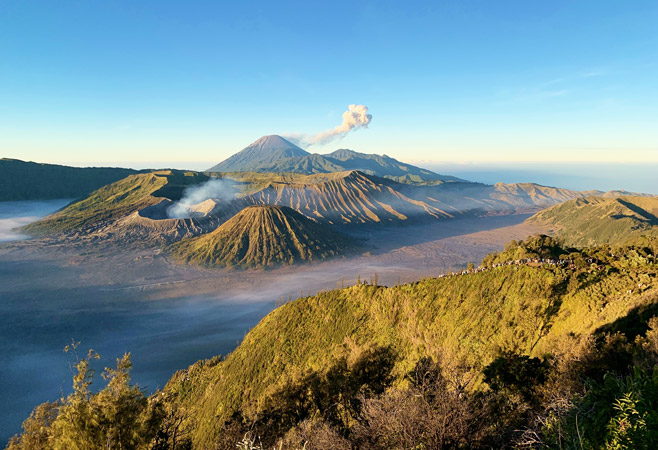
Mount Bromo's sunrise
Understanding the Crowd Problem at Mount Bromo
The classic sunrise tour follows a predictable pattern. Tour groups arrive at Penanjakan (King Kong Hill) around 3:30 AM, claim their spots, and wait for the 5:30 AM sunrise. By 5:00 AM, the viewpoint resembles a packed stadium more than a peaceful overlook.
Peak season runs from June through August and again during Christmas and New Year. During peak season, visitor numbers at the main viewpoint can exceed 300–400 people, while shoulder-season months like April and September typically see lighter but still noticeable crowds.
The crowds create several problems beyond just cramped viewing conditions. Tripod wars break out between photographers. People constantly push forward, blocking views. The noise from chatter and tour guides drowns out the natural ambience. And capturing that perfect photo without strangers in your frame becomes nearly impossible.
Alternative Viewpoints That Skip the Crowds
Kingkong Hill Viewpoint 2 and 3
Additional viewpoints exist further uphill, reachable by jeep in about 10–20 minutes depending on traffic and road conditions. Viewpoint 2 offers nearly identical views with about 70% fewer people. Viewpoint 3 sits even higher and provides a wider panoramic perspective.
The catch? You need your own vehicle or driver willing to go the extra distance. Most tour packages won't include these spots, which is exactly why they remain relatively empty.
Love Hill (Bukit Cinta)
This lesser-known spot sits on the opposite side of the caldera from Penanjakan. The sunrise angle differs slightly—you'll see the sun rising behind Mount Semeru rather than illuminating Bromo from the side—but the view is equally stunning.
Love Hill generally attracts fewer visitors than Penanjakan, often ranging from a few dozen people on weekdays to larger groups during holidays. The hike up takes about 20 minutes from the parking area, and the path can be steep, so bring a flashlight and wear proper shoes. Local guides charge around 100,000 IDR ($7) for the walk, though the trail is manageable without one.
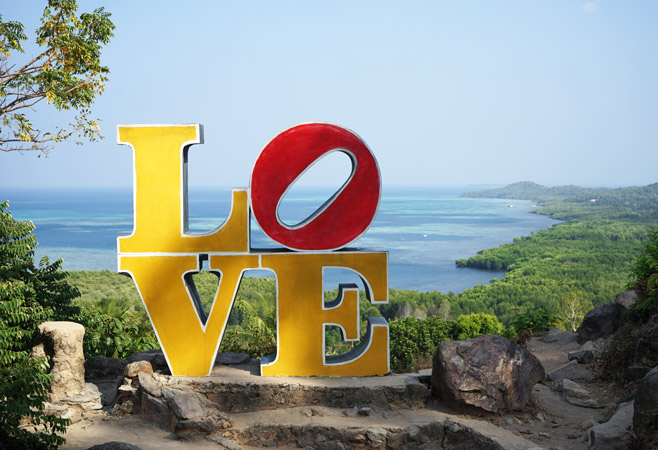
Love Hill (Bukit Cinta)
Seruni Point
Located near Cemoro Lawang village, Seruni Point provides a closer perspective of Mount Bromo. You won't get the wide caldera view, but you will see incredible details of the smoking crater and surrounding sand sea.
This viewpoint works best for sunrise seekers staying in Cemoro Lawang who want a quick 10-minute walk instead of a pre-dawn jeep ride. Expect 20-40 people here on busy days—peaceful compared to Penanjakan's crowds.
Strategic Timing to Beat the Masses
The Early Bird Advantage
Arriving at the main Penanjakan viewpoint by 3:00 AM instead of 3:30 AM makes a surprising difference. Those 30 minutes mean you can choose your spot and set up without competition. Tour groups typically arrive in waves between 3:30-4:30 AM.
Position yourself at the far right or left ends of the viewing platform rather than the center. Most people cluster in the middle, leaving the edges relatively open.
The Late Strategy
Here's a secret many visitors miss: the best light often appears 20-30 minutes after sunrise. Once the sun clears the horizon around 5:45 AM, tour groups rush to leave for the crater floor tour. By 6:15 AM, the viewing platform has emptied by 80%.
The post-sunrise period offers beautiful golden light on the mountains and the chance to take photos without crowds. You'll also see the jeeps creating dramatic dust trails across the sand sea as they descend.
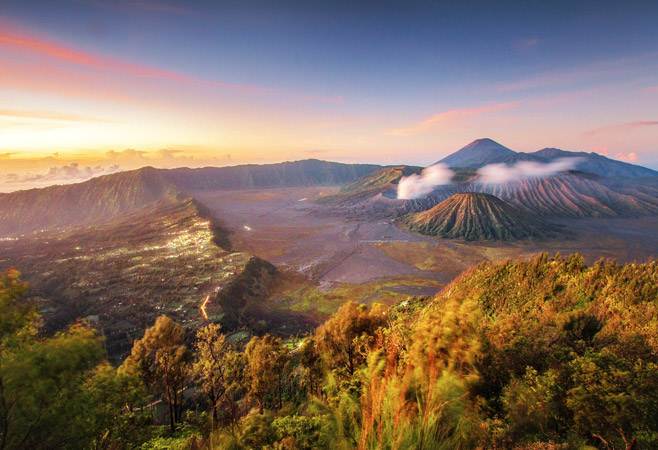
Penanjakan viewpoint
Weekday vs. Weekend Timing
Day Type | Crowd Level | Best For |
Monday-Thursday | Light to Moderate (100-200 people) | Relaxed viewing, better photo opportunities |
Friday-Sunday | Heavy (300-600 people) | Only if no alternative schedule possible |
Off-Season Advantages
Rainy season (November-March) brings fewer tourists but also higher chances of cloud cover blocking the view. Weather apps aren't always reliable for mountain forecasts, so check with local guesthouse owners who can read the conditions better.
April-May and September-October offer the sweet spot: clearer weather than rainy season with fewer crowds than peak months. Temperatures are also milder during these shoulder seasons.
Practical Tips for a Crowd-Free Experience
Transportation Options
Skip the shared jeep tours that pack 8-10 people into one vehicle and lock you into their schedule. Private jeep rentals cost 600,000-800,000 IDR ($40-55) and give you flexibility to visit alternative viewpoints and adjust timing.
Motorcycles can be used to reach some areas, though certain viewpoints like Penanjakan may restrict motorcycle access and require a jeep. The ride from Cemoro Lawang to viewpoints takes 30-40 minutes. Cost runs about 75,000 IDR ($5) per day.
Essential Gear to Pack
- Headlamp or flashlight with fresh batteries
• Warm layers—Temperatures typically range from 6–10°C before sunrise, occasionally dropping lower during the coldest months
• Windbreaker or rain jacket
• Camera with spare batteries (cold drains them quickly)
• Snacks and water (vendors at viewpoints charge premium prices)
• Face mask or bandana for volcanic ash and dust
Where to Stay for Best Access
Cemoro Lawang village sits closest to Mount Bromo and cuts travel time significantly. Staying here means a 20-minute jeep ride to viewpoints instead of the 90-minute journey from Probolinggo.
Budget guesthouses start at 200,000 IDR ($13) per night. Mid-range hotels with volcano views cost 500,000-800,000 IDR ($35-55). Book directly with properties rather than through tour packages for more flexibility.
Photography Considerations Without Crowds
Smaller crowds mean better opportunities for long-exposure shots, time-lapses, and creative compositions. The alternative viewpoints also offer unique angles that stand out from the typical Penanjakan shots flooding Instagram.
Love Hill provides foreground interest with desert grasses and small shrubs. Seruni Point lets you capture the texture of Bromo's crater up close. Viewpoint 2 and 3 offer elevated perspectives that emphasize the vast scale of the caldera.
Safety and Environmental Awareness
Even at less crowded spots, stay within designated viewing areas. Volcanic activity at Mount Bromo fluctuates, and authorities sometimes close crater access when sulfur dioxide levels rise. Check current conditions with your accommodation before visiting.
Pack out all trash, including water bottles and snack wrappers. The growing tourism at Mount Bromo has created litter problems, particularly at viewpoints.
Respect local communities by keeping noise levels down during pre-dawn travel through villages. The jeep rides can be loud, but your voices don't need to be.
Making Your Mount Bromo Visit Complete
The sunrise is spectacular, but don't miss exploring the crater floor and the surrounding sand sea. The 253 steps up to Bromo's crater rim offer views into the active volcanic vent. The sand sea creates otherworldly landscapes perfect for photography once the harsh midday light softens.
Hindu temples dot the region, including Pura Luhur Poten at the base of Bromo, where locals make offerings during the annual Yadnya Kasada ceremony. Visiting these sites adds cultural depth to your trip beyond the natural beauty.
Mount Bromo proves that even the most popular destinations can be experienced peacefully with smart planning. The alternative viewpoints and strategic timing strategies let you witness one of Indonesia's most iconic sunrises without fighting crowds for space. Those extra few minutes of drive time or slightly adjusted schedules pay off with the serene, memorable experience you traveled halfway around the world to find.
Frequently Asked Questions
What's the absolute best time to visit Mount Bromo for smallest crowds?
April, May, and September offer the best combination of good weather and lighter crowds. Within these months, visiting Monday through Wednesday brings the fewest tourists. Arrive at viewpoints by 3:00 AM or wait until 6:15 AM after tour groups depart for the emptiest experience.
Can I visit Mount Bromo sunrise without booking a tour?
Yes, completely possible and often better for avoiding crowds. Rent a private jeep or motorcycle from Cemoro Lawang village, or walk to Seruni Point if you're comfortable with short hikes in the dark. This gives you freedom to visit alternative viewpoints that tour groups skip.
Is the sunrise view worth it if weather conditions aren't perfect?
Even with some clouds, Mount Bromo delivers stunning views. Partial cloud cover can actually create dramatic lighting effects. Only heavy rain or complete fog makes the trip not worthwhile. Check with local guides the evening before—they can predict conditions fairly accurately.
Planning Your Indonesian Adventure: Visa and Travel Information
Visiting Mount Bromo requires proper travel documentation for Indonesia. Most visitors need to arrange their visa before experiencing this volcanic wonderland. Global Visa Corp (GVC) specializes in Indonesian visa services, simplifying the application process so you can focus on planning your sunrise adventure.
GVC handles various Indonesia visa types, from tourist visas for your Mount Bromo trip to business visas if you're combining travel with work. The online application process takes just a few minutes, and their team processes applications efficiently. Whether you're planning a quick visit to East Java's volcanic region or an extended exploration of Indonesia's islands, having your visa sorted early eliminates last-minute stress.
The service provides tracking so you can monitor your application status. Indonesia's visa requirements change periodically, but GVC stays current with regulations to ensure your documentation meets all requirements. Their Indonesia visa services cover everything from initial applications to specific questions about your travel situation.
Processing times vary by visa type and your nationality, so apply at least 2-3 weeks before your planned departure. This buffer handles any unexpected delays without affecting your Mount Bromo sunrise plans. You can easily check your visa status online throughout the process.
For travelers watching their budget, GVC offers transparent visa service pricing without hidden fees. Knowing costs upfront helps you budget accurately for your entire Indonesia trip, from visa fees to jeep rentals for those crowd-free sunrise viewpoints.
Related Articles:
- Best Places To Visit In Indonesia For Your Travel Bucket List
- Top 10 Tourist Attractions In Indonesia For An Ideal Itinerary
- Best Things To Do In Indonesia Makes You Want To Visit Again
- Discover The Best Time To Visit Indonesia A Complete Guide For Travelers
- Lets Find Out The Best Season To Visit Indonesia Together
- Indonesias World Heritage Sites A Guide To Its Unesco Treasures
- Top 6 National Parks In Indonesia You Must Visit
Tags