Kelimutu Colors by Season: Viewpoints, Fog Timing, and Local Tales
The old man selling coffee at the trailhead smiled knowingly when asked about the lake colors. "You want to know which color today? Nobody knows until you see." He wasn't being mysterious—he was stating the simple truth about Kelimutu's three crater lakes. These volcanic pools change colors unpredictably, shifting from turquoise to green, brown to black, sometimes even red, creating one of Indonesia's most mesmerizing natural phenomena.
Kelimutu sits atop a 1,639-meter volcano in Flores, Eastern Indonesia. Unlike typical crater lakes that maintain consistent colors, Kelimutu's three lakes—Tiwu Ata Mbupu, Tiwu Ko'o Fai Nuwa Muri, and Tiwu Ata Polo—transform independently of each other. The Kelimutu colors shift due to changing mineral concentrations, fumarole activity, and chemical reactions within each lake. Understanding the seasonal patterns, best viewpoints, fog timing, and the local tales surrounding these sacred waters transforms a simple sunrise visit into something far more meaningful.
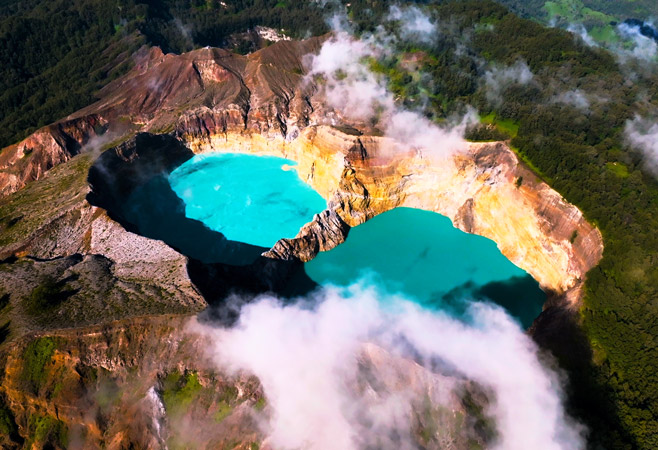
The Kelimutu
Understanding Kelimutu's Seasonal Color Changes
The lakes don't follow a predictable color calendar like "green in March, brown in July." Instead, they undergo gradual transitions over months or sometimes years. However, certain patterns emerge when looking at records from the past decade.
Tiwu Ko'o Fai Nuwa Muri (Lake of Young Men and Maidens) and Tiwu Ata Polo (Bewitched or Enchanted Lake) sit side by side, separated only by a thin volcanic wall. These two lakes have shown the most variation over the years. Documented changes include shifts from turquoise to dark green or nearly black in Tiwu Ko’o, and from brown to green—and occasionally reddish hues—in Tiwu Ata Polo.
Tiwu Ata Mbupu (Lake of Old People) sits separately to the west. This lake tends toward darker colors—black, dark green, or deep brown—and changes less dramatically than its neighbors.
The dry season (May-September) typically offers the clearest views of whatever colors are present. Dry-season conditions often provide clearer visibility, which can make existing lake colors appear more vivid, though the colors themselves are primarily controlled by volcanic chemistry rather than water levels. Wet season (November-March) brings higher water levels and more frequent fog, though the colors themselves don't necessarily change based on rainfall.
Recent observations from 2024 show Tiwu Ko'o displaying deep green, Tiwu Ata Polo showing brownish-green, and Tiwu Ata Mbupu remaining dark green to black. But these could shift within months of reading this, which is precisely what makes Kelimutu so fascinating.
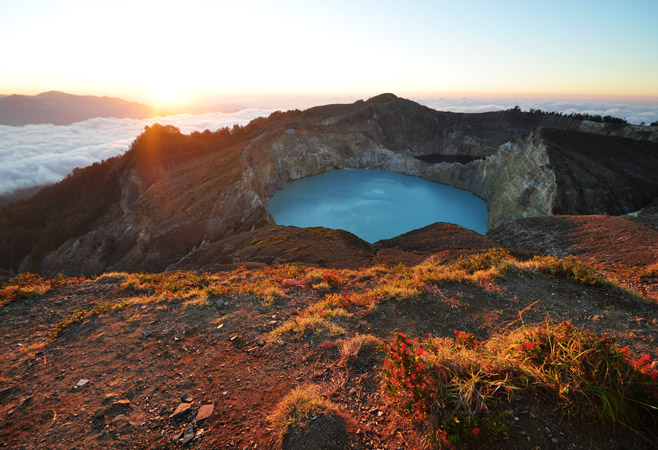
Three colour lake Kelimutu
Strategic Viewpoint Guide
The main viewing platform sits about 30 minutes' walk from the parking area. This elevated wooden structure provides clear sight lines to all three lakes simultaneously. Arrive here for the classic Kelimutu experience and the photographs you've seen in travel magazines.
The platform can become crowded during sunrise, especially in peak months, with dozens of visitors gathering for the classic view. Position yourself on the left side of the platform for the best angle on all three lakes as dawn light illuminates them.
Alternative viewpoint one sits along the trail between the parking area and main platform. This spot offers closer views of Tiwu Ata Mbupu and interesting perspectives of the crater walls. Most visitors rush past this location heading to the main platform, leaving it relatively peaceful.
The crater rim trail extends beyond the main platform, winding along the edge with multiple stopping points. This 20-minute walk (one way) provides changing angles on the lakes. The physical effort is minimal—mostly flat terrain with a few rocky sections.
Early morning walkers sometimes have this trail completely to themselves after other visitors descend following sunrise. The shifting light throughout the morning reveals details invisible at dawn—the texture of crater walls, the depth variations in the lakes, and the surrounding forest coming alive.
The summit point requires an additional 15-minute climb on a steeper trail. Not everyone makes this effort, but the 360-degree views include not just the lakes but also surrounding volcanoes, valleys, and on exceptionally clear days, glimpses of the Flores Sea.
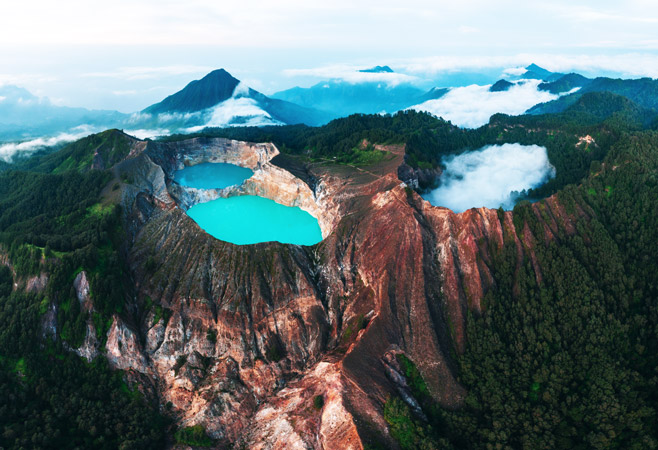
Danau volcano Kelimutu
Mastering Fog Timing at Kelimutu
Fog determines whether you see spectacular colored lakes or just gray mist. Understanding fog patterns dramatically improves your chances of clear views.
The classic advice says "arrive for sunrise" (around 5:00-5:30 AM depending on season). This timing works because temperatures overnight cause fog formation, but sunrise warmth often burns it off within 30-60 minutes. Many mornings start foggy, then clear beautifully by 6:30 AM.
However, the sunrise crowd misses an important pattern: mid-morning (8:00–10:00 AM) often provides clearer conditions, though weather patterns remain highly unpredictable. Fog has completely lifted, and afternoon clouds haven't yet formed. Temperatures are more comfortable too—no need for heavy jackets.
Fog timing by season:
Season | Fog Pattern | Best Viewing Times |
Dry Season (May-Sep) | Less frequent, burns off quickly | 6:00-11:00 AM typically clear |
Shoulder Season (Apr, Oct) | Moderate fog, unpredictable | 7:00-10:00 AM safest window |
Wet Season (Nov-Mar) | Heavy fog common, slower to clear | 9:00 AM-12:00 PM or try afternoon |
During wet season, some days never fully clear. If morning fog persists past 11:00 AM, consider returning in the afternoon (2:00-4:00 PM). Afternoon light differs from morning—warmer tones, different angles—but clear lakes beat foggy ones regardless of lighting.
The park allows re-entry on the same ticket within the same day. If morning fog disappoints, ask at the entrance gate about returning later. Guesthouses in Moni village (13 kilometers from Kelimutu) can advise on current weather patterns based on recent days.
Local Tales and Cultural Significance
The Lio people, indigenous to the Kelimutu region, believe the three lakes hold the spirits of the deceased. This isn't merely tourist folklore—these beliefs remain active in local spiritual practices.
Tiwu Ata Mbupu (Lake of Old People) receives the spirits of elders who lived good lives. The lake's darker colors reflect the wisdom and gravity of age.
Tiwu Ko'o Fai Nuwa Muri (Lake of Young Men and Maidens) holds the spirits of young people who died before their time. The lake's sometimes vibrant colors represent youth's energy and unfulfilled potential.
Tiwu Ata Polo (Bewitched or Enchanted Lake) contains spirits of those who practiced evil or black magic in life. The lake's often murky, dark appearance reflects these troubled souls.
Local communities perform ceremonies at Kelimutu during Pati Ka festival (usually August 14), bringing offerings and prayers to honor ancestors. Visitors during this time witness authentic cultural practices rather than tourist performances.
The color changes themselves carry meaning in local interpretation. Historically, rare reports of red coloration have carried symbolic meaning in Lio tradition, sometimes interpreted as omens of significant events or significant events. While science attributes color changes to volcanic chemistry, these spiritual interpretations add depth to understanding local perspectives.
Respect local customs when visiting:
- Don't throw anything into the lakes—not coins, not offerings unless you're participating in an actual ceremony with local people
• Keep voices moderate; this is a sacred site, not just a photo opportunity
• If you encounter locals performing ceremonies, observe quietly from a distance
• Ask permission before photographing any ceremonial activities
Practical Visiting Information
Getting to Kelimutu:
Moni village serves as the base for Kelimutu visits. Most travelers reach Moni by bus from Maumere (3 hours, 50,000 IDR / $3) or Ende (2 hours, 40,000 IDR / $2.50). Private car hire costs 700,000-1,000,000 IDR ($46-66) for the day, useful if you're traveling in groups.
From Moni, the park entrance sits 13 kilometers uphill. Options include:
- Organized sunrise tour from guesthouses: 100,000-150,000 IDR ($7-10) per person including transport and entrance
• Rent a scooter: 75,000 IDR ($5) per day, ride up independently
• Hire ojek (motorcycle taxi): 150,000 IDR ($10) round trip with waiting time
Park details:
Entry fee: 150,000 IDR ($10) for foreign adults, 75,000 IDR ($5) for children. The gate opens at 4:00 AM for sunrise visitors. The 30-minute uphill walk from parking to the main viewpoint is paved but steep in sections.
Bring warm layers—temperatures drop to 10-15°C (50-59°F) at sunrise. A flashlight or headlamp helps for the pre-dawn walk. Water and snacks are essential; no facilities exist at the viewpoints.
Small warungs (food stalls) at the parking area sell instant noodles, coffee, and tea starting around 5:00 AM. Prices run slightly higher than Moni village (10,000-25,000 IDR / $0.65-$1.65 per item).
Photography Tips for Capturing Kelimutu Colors
The colors photograph most accurately in diffused morning light between 6:30-9:00 AM. Harsh midday sun washes out subtler hues. Overcast days, while disappointing for viewing, sometimes produce excellent photographs by eliminating glare and reflection.
Use a polarizing filter to reduce water surface glare and deepen color saturation. Wide-angle lenses capture all three lakes from the main platform. Telephoto lenses (200mm+) isolate individual lakes and capture crater wall details.
Drone photography is officially prohibited within the park boundaries, and visitors are expected to respect this rule to protect both safety and the site’s sacred atmosphere.
Planning Your Kelimutu Experience
Visit Kelimutu with flexible timing if possible. Staying 2-3 nights in Moni allows multiple viewing attempts if weather doesn't cooperate initially. The village itself offers pleasant walks, local weaving workshops, and hot springs worth exploring between Kelimutu visits.
The dry season (May-September) provides the most reliable weather, though this also means more tourists. April and October offer decent weather with fewer visitors. Avoid December-February unless you're comfortable with potential rain and persistent fog.
Whatever colors you encounter, remember that Kelimutu's unpredictability creates its magic. The lakes might display completely different hues than photographs you've seen. That's not disappointment—that's experiencing something genuinely unique to your visit, a color combination perhaps only a few hundred people will ever witness. Combined with the local tales of ancestral spirits and the dramatic volcanic landscape, Kelimutu delivers one of Indonesia's most memorable natural and cultural experiences.
Frequently Asked Questions
What determines when Kelimutu colors change?
Color changes result from volcanic activity affecting mineral concentrations, dissolved gases, and water chemistry in each lake. Increased fumarole activity (volcanic gas vents) beneath the lakes triggers chemical reactions that alter colors. No one can predict when changes occur—they happen gradually over weeks or months, sometimes suddenly. Scientists monitor the lakes but cannot forecast specific color shifts.
Is it worth visiting Kelimutu if the lakes aren't showing bright colors?
Absolutely. Even when lakes display darker tones like browns and blacks, the experience remains striking. The dramatic crater landscape, cultural significance, and sheer uniqueness of three different-colored lakes side by side justify the visit regardless of specific hues. Plus, you'll likely see colors no other travelers have photographed if they're in a transitional phase.
Can you hike down to the lake shores?
No, descending to the water is strictly prohibited for safety and environmental reasons. The crater walls are unstable, with loose volcanic rock and steep drops. The lakes also emit toxic gases that concentrate near water level. All viewing must occur from designated overlook points on the crater rim. Violating this rule risks serious injury and damages the fragile volcanic environment.
Exploring Kelimutu and Eastern Indonesia
Visiting Kelimutu requires traveling to Flores, one of Indonesia's most remote yet rewarding destinations. The journey from international entry points like Bali involves flights to Maumere or Ende, followed by overland travel through stunning landscapes dotted with traditional villages. Before embarking on this adventure, ensure your travel documentation is in order.
GVC provides streamlined visa services for Indonesia, making the application process straightforward even for travelers planning complex itineraries through multiple islands. Indonesia visa processing through GVC covers tourist visas suitable for exploring Flores, Bali, and other Indonesian destinations during your trip.
The online application system guides you through required documents, photo specifications, and supporting materials. Most travelers need to apply 2-3 weeks before departure to allow proper processing time and address any documentation questions that arise.
Eastern Indonesia adventures often involve connecting flights and ferry journeys between islands. GVC's visa services ensure you have proper authorization for the entire journey, whether you're flying into Bali then continuing to Flores, or planning a multi-week exploration of Indonesia's lesser-visited regions. You can easily monitor your visa application progress online, eliminating uncertainty about approval status.
Travelers appreciate GVC's transparent fee structure, which helps with budgeting the total trip costs. Knowing your visa expenses upfront allows better planning for accommodation in Moni village, transport to Kelimutu, and other travel expenses throughout your Indonesian adventure. Getting your visa sorted early means one less concern while you're tracking fog forecasts and color reports from fellow travelers recently returned from the crater lakes.
Related Articles:
- Top 10 Tourist Attractions In Indonesia For An Ideal Itinerary
- Best Places To Visit In Indonesia For Your Travel Bucket List
- Discover The Best Time To Visit Indonesia A Complete Guide For Travelers
- Lets Find Out The Best Season To Visit Indonesia Together
- Indonesias World Heritage Sites A Guide To Its Unesco Treasures
- Indonesian Festivals
- Top 6 National Parks In Indonesia You Must Visit
Tags