East vs. West Sumba: Which Suits a First Visit
The driver gestured toward a fork in the road. "Waingapu that way, Waikabubak that way. You choose." He grinned, knowing full well that most travelers arriving in Sumba face exactly this dilemma. East Sumba or West Sumba? The island stretches over 11,000 square kilometers, roughly the size of Jamaica, and despite sharing the same island, these two regions offer remarkably different experiences.
After three separate trips to Sumba—two exploring the east, one dedicated to the west—the question of which side suits a first visit doesn't have a simple answer. East Sumba delivers stunning beaches, accessible tourism infrastructure, and easier logistics. West Sumba offers dramatic cultural immersion, traditional villages largely unchanged for centuries, and landscapes that feel wonderfully remote. Your ideal first visit depends entirely on what kind of traveler you are and what experiences matter most. This Sumba comparison breaks down the practical realities, cultural differences, and specific attractions of each region to help you make the right choice for your island exploration.
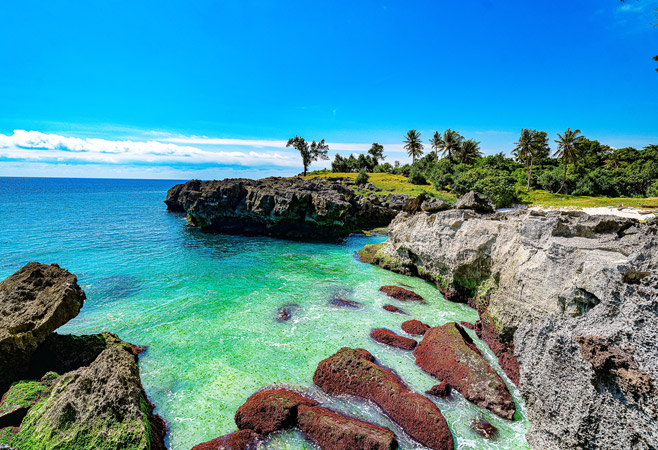
The Sumba island
Understanding the Basic Differences
East Sumba centers around Waingapu, the island's largest town and main port. This region developed tourism infrastructure earlier, with better roads, more accommodation options, and easier access to beaches that have made Sumba famous on social media. The landscape trends toward rolling hills, savanna-like grasslands, and those incredible coastlines.
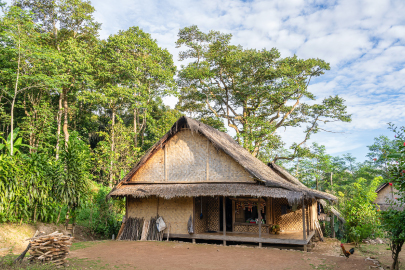
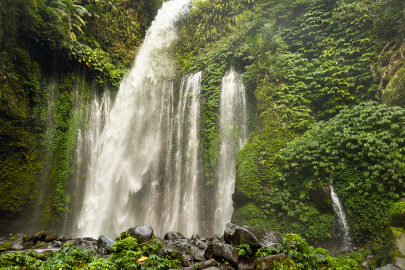
West Sumba revolves around Waikabubak and Tambolaka. This region maintains stronger connections to traditional Marapu animist practices. Villages here feature towering megalithic tombs, traditional peaked-roof houses, and communities still conducting ancient rituals. The terrain is more mountainous, with dramatic escarpments and hidden waterfalls.
The regions sit roughly 150 kilometers apart, connected by a road that takes 3-4 hours in good conditions. Many travelers assume they can easily visit both sides during a week-long trip, but the distances and rough roads make this challenging. Most people choose one region as their base for a first visit.
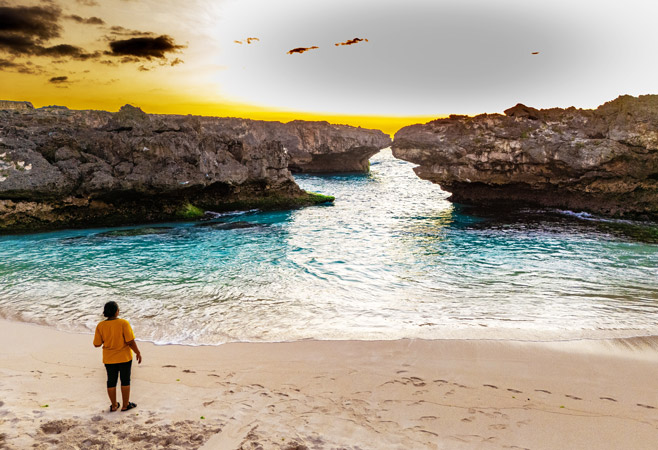
East Sumba's beaches
East Sumba: Beach-Focused Island Exploration
East Sumba's beaches deserve the hype. Weekuri Lagoon, Walakiri Beach, Mandorak Beach, and dozens of others offer turquoise water, limestone formations, and Instagram-worthy compositions that launched Sumba's tourism growth.
Weekuri Lagoon, located in Southwest Sumba about 120 kilometers from Waingapu, is one of West Sumba’s most iconic natural attractions. This saltwater pool surrounded by limestone cliffs provides calm swimming even when ocean waves pound nearby beaches. Entry costs 20,000 IDR ($1.30). The lagoon works perfectly for families with kids or travelers who want beautiful water without strong currents.
Walakiri Beach features mangrove trees creating natural sculptures against sunrise and sunset skies. The beach sits close to Waingapu (25–30 kilometers), making it the most accessible for quick visits. Arrive at low tide (check local tide schedules) when the trees stand fully exposed and their reflections mirror in shallow pools.
Mandorak Beach lies in West Sumba near Weekuri Lagoon, around 140 kilometers from Waingapu, requiring a longer drive on rough roads. This pristine white-sand beach sees perhaps 10-20 visitors per day. The turquoise water, rock formations, and general emptiness reward the journey.
Accommodation in East Sumba ranges from budget guesthouses (200,000 IDR / $13 per night) to mid-range hotels (500,000-1,000,000 IDR / $33-66). Waingapu has several restaurants, basic shopping, ATMs, and other conveniences that make daily logistics straightforward.
East Sumba advantages for first-time visitors:
- Better tourism infrastructure and easier logistics
• More accommodation and food options
• Spectacular beaches accessible with moderate effort
• Less physically demanding travel
• English spoken more widely in hotels and tour operations
• Better internet connectivity for staying in touch or working remotely
The downside? East Sumba feels more "developed" in the Indonesian tourism sense. You'll encounter other travelers at popular beaches, particularly during peak season (July-September). The cultural experiences, while present, aren't as immediately striking as in the west.
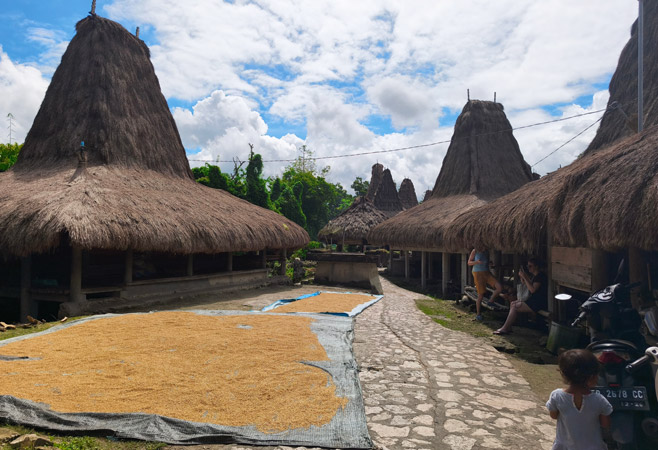
West Sumba's traditional villages
West Sumba: Cultural Immersion and Traditional Villages
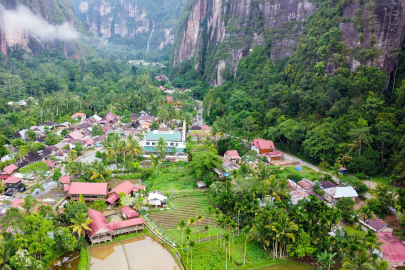
West Sumba's traditional villages provide the most authentic cultural experiences remaining in Indonesia. Villages like Praijing, Ratenggaro, and Kampung Tarung maintain architectural and spiritual traditions dating back centuries.
Praijing village sits perched on a hilltop with sweeping valley views. The village contains dozens of traditional peaked-roof houses and massive megalithic tombs—some weighing over 70 tons—that required years to construct and transport from distant quarries. Walking through Praijing feels like stepping back several centuries.
Village entry donations typically run 50,000-100,000 IDR ($3-7) per visitor. This money supports community maintenance and preservation efforts. Hire local guides (100,000-150,000 IDR / $7-10) to explain the tomb traditions, house construction, and daily life. The cultural context transforms villages from photo opportunities into meaningful encounters.
Ratenggaro offers the iconic West Sumba sight—traditional houses perched above a beach, with megalithic tombs in the foreground and ocean waves crashing behind. The composition is stunning, but more importantly, this represents an active community where people live traditional lifestyles while welcoming respectful visitors.
West Sumba's landscape includes dramatic waterfalls like Waimarang that require 4x4 vehicles and local knowledge to reach. The roads throughout the region remain rough—even the main highway between Waikabubak and Tambolaka has significant unpaved sections.
Accommodation options are fewer and more basic. Waikabubak offers several simple guesthouses and one or two hotels with air conditioning. Expect to pay 250,000-600,000 IDR ($16-40) per night for decent accommodation. Restaurant choices are limited compared to East Sumba.
West Sumba advantages for first-time visitors:
- Deeply authentic cultural experiences
• Traditional villages with active Marapu practices
• Fewer tourists, more meaningful interactions with locals
• Dramatic landscapes and hidden natural attractions
• Photography opportunities unavailable elsewhere in Indonesia
• Sense of genuine exploration and discovery
The challenges are real: rougher roads, fewer amenities, more complex logistics, and language barriers. West Sumba demands more patience, flexibility, and comfort with basic conditions.
Comparing Costs and Logistics
Transportation costs differ significantly between regions. East Sumba's better roads mean lower fuel consumption and less vehicle wear, translating to cheaper rental and driver fees.
Daily transportation costs:
Region | Scooter Rental | Private Car + Driver |
East Sumba | 75,000-100,000 IDR ($5-7) | 600,000-800,000 IDR ($40-53) |
West Sumba | 100,000 IDR ($7) | 800,000-1,200,000 IDR ($53-80) |
West Sumba's higher car costs reflect rougher roads requiring 4x4 vehicles and longer travel times. Scooters work for experienced riders in East Sumba, but West Sumba's terrain makes four wheels strongly advisable.
Both regions require flying to Sumba—no ferry services run regularly from other islands. Waingapu (East) receives more flights from Bali and Labuan Bajo. Tambolaka (West) has fewer connections, mostly through Bali and Ende. Flight prices are similar (1,500,000-2,500,000 IDR / $100-165 round trip from Bali).
Food costs remain reasonable in both regions. Local warungs serve meals for 25,000-40,000 IDR ($1.65-2.65). Hotels and tourist restaurants charge 60,000-150,000 IDR ($4-10) per meal.
Making Your First Visit Decision
Choose East Sumba for your first visit if you:
- Prioritize beach time and coastal scenery
• Prefer easier logistics and better infrastructure
• Want reliable accommodation and food options
• Plan to work remotely during part of your trip
• Feel less comfortable with very basic conditions
• Have limited time (under 5 days)
Choose West Sumba for your first visit if you:
- Value cultural experiences over beach time
• Don't mind rough roads and basic accommodation
• Want authentic interactions with traditional communities
• Seek destinations that feel genuinely off-the-beaten-path
• Have patience for complex logistics
• Plan to stay at least 5-7 days to justify the access effort
The honest truth? Both regions deserve visits. If choosing seems impossible, consider splitting your time—but realistically, this requires at least 10 days total to avoid constant driving. For trips under a week, commit to one region and explore it properly rather than rushing between both.
Practical Planning for Either Region
Book accommodation in advance during peak season (June-September). Both regions have limited rooms, and popular hotels fill up weeks early during these months.
Hiring drivers who know the roads is essential for both regions but especially West Sumba. Ask your accommodation to recommend drivers. Expect to pay 600,000-1,200,000 IDR ($40-80) per day depending on region and vehicle type. This includes fuel and the driver's meals but typically not entrance fees or your own meals.
Bring sufficient cash—especially for West Sumba. ATMs exist in Waingapu and Waikabubak but aren't reliable. Cards are rarely accepted outside larger hotels. Carry small bills (20,000 and 50,000 IDR notes) for village donations and entrance fees.
Pack for tropical heat but also cooler evenings in West Sumba's highlands. Both regions can reach 32-35°C (90-95°F) during the day, but West Sumba's elevation brings cooler nights requiring light layers.
Learn a few Indonesian phrases beyond basic greetings. English is very limited outside tourist hotels. "Berapa harga?" (how much?), "Terima kasih" (thank you), and "Minta tolong" (please help) go a long way.
Cultural Sensitivity in Traditional Villages
Both East Sumba and West Sumba contain villages where ancient traditions continue. Respect these communities by following basic etiquette:
- Always ask permission before photographing people, houses, or ceremonies
• Dress modestly—cover shoulders and knees in villages
• Don't touch or climb on megalithic tombs
• Keep voices moderate inside villages
• Offer proper donations at village entrances
• If ceremonies are occurring, observe quietly unless invited to participate
The Marapu beliefs practiced in Sumba communities deserve the same respect you'd show entering any sacred space. These aren't museum displays—they're living communities maintaining spiritual practices often thousands of years old.
Making Sumba Accessible for Your First Visit
Sumba challenges even experienced Indonesia travelers with rough infrastructure, language barriers, and limited tourist services. Yet these challenges create the magic. Choosing between East Sumba and West Sumba for a first visit isn't about finding the "better" region—it's about matching the destination to your travel style.
Beach lovers and comfort seekers will thrive in East Sumba's more developed environment. Cultural enthusiasts willing to embrace basic conditions will find West Sumba unforgettable. Both offer island exploration that reveals an Indonesia far different from Bali's beaches or Java's temples. Whichever region you choose for your Sumba comparison and first visit, you'll return with stories few other travelers can match and photographs from places most people have never heard of.
Frequently Asked Questions
How many days should you spend in East Sumba versus West Sumba?
East Sumba's main attractions can be covered in 3-4 days, visiting major beaches, Weekuri Lagoon, and a few traditional villages. West Sumba needs 5-7 days minimum to justify the access effort and properly explore villages, waterfalls, and cultural sites without constant rushing. Both regions reward longer stays for travelers who enjoy slower-paced exploration.
Can you realistically visit both East and West Sumba in one trip?
Yes, but you need at least 10 days total. The 3-4 hour drive between regions plus rough roads means a full day consumed just changing locations. Most first-time visitors choose one region to explore deeply rather than splitting time. If you have two weeks, spending 5-6 days in each region works well.
Which region is better for photography?
East Sumba offers stunning beach and coastal landscapes with excellent natural lighting. West Sumba provides unique cultural photography opportunities with traditional villages and megalithic tombs. Serious photographers often prefer West Sumba for its rare subjects, but Instagram-focused travelers may prefer East Sumba's beach aesthetics. Both regions deliver exceptional photography opportunities in different genres.
Planning Your Sumba Island Adventure
Choosing between East Sumba and West Sumba represents just one part of planning your Indonesian adventure. Before exploring Sumba's beaches, villages, or cultural treasures, ensure your travel documentation is properly arranged through reliable visa services.
GVC streamlines Indonesian visa applications for travelers heading to destinations like Sumba, where tourism infrastructure is still developing. Their online platform handles all visa types suitable for your travel plans, whether you're spending a week in one region or planning extended exploration across multiple Indonesian islands.
The application process takes just minutes online, with clear guidance on required documents, photo specifications, and supporting materials. Most travelers to Sumba fly through Bali, making it essential that your visa covers all intended destinations during your Indonesian journey. GVC's experience with complex itineraries means they understand these travel patterns and ensure your documentation covers everything.
Processing times vary by nationality and visa type, so starting your application 2-3 weeks before departure provides comfortable buffer room. You can track your visa application status throughout the process, eliminating uncertainty about approval timing before your flights are booked.
Budget-conscious travelers appreciate knowing all costs upfront. GVC's transparent pricing structure helps you accurately budget your total trip expenses alongside accommodation, transportation, and guide fees in whichever Sumba region you choose. Remote destinations like Sumba require careful planning, and having your visa documentation confirmed early removes one major concern while you're researching traditional villages, planning beach visits, or deciding between that comfortable East Sumba hotel and the basic West Sumba guesthouse that promises incredible cultural experiences.
Related Articles:
- Best Places To Visit In Indonesia For Your Travel Bucket List
- Top 10 Tourist Attractions In Indonesia For An Ideal Itinerary
- Best Things To Do In Indonesia Makes You Want To Visit Again
- Discover The Best Time To Visit Indonesia A Complete Guide For Travelers
- Lets Find Out The Best Season To Visit Indonesia Together
- Indonesias World Heritage Sites A Guide To Its Unesco Treasures
- Indonesian Festivals
Tags