Ugam-Chatkal National Park: Trail Permits and Hiking Grades
The minibus climbs higher into the Tien Shan foothills, leaving Tashkent's urban sprawl behind. Pine forests replace concrete buildings. Mountain streams cascade beside the winding road. Within 90 minutes, the gateway to Ugam-Chatkal National Park appears—a wooden checkpoint where rangers verify permits and share trail conditions.
This protected wilderness stretches across more than 1.6 million acres of the Western Tien Shan mountains, where snow leopards still roam and ancient juniper forests cling to rocky slopes. For hikers seeking adventures beyond the Silk Road cities, Ugam-Chatkal National Park offers trails ranging from gentle riverside walks to challenging multi-day mountain treks.
But here's the reality many guidebooks skip: accessing this natural paradise requires navigating Uzbekistan's park permit system, understanding unmarked trail difficulties, and preparing for infrastructure that exists more in theory than practice. The rewards—pristine alpine meadows, encounters with local shepherds, and genuine wilderness solitude—justify the extra planning.
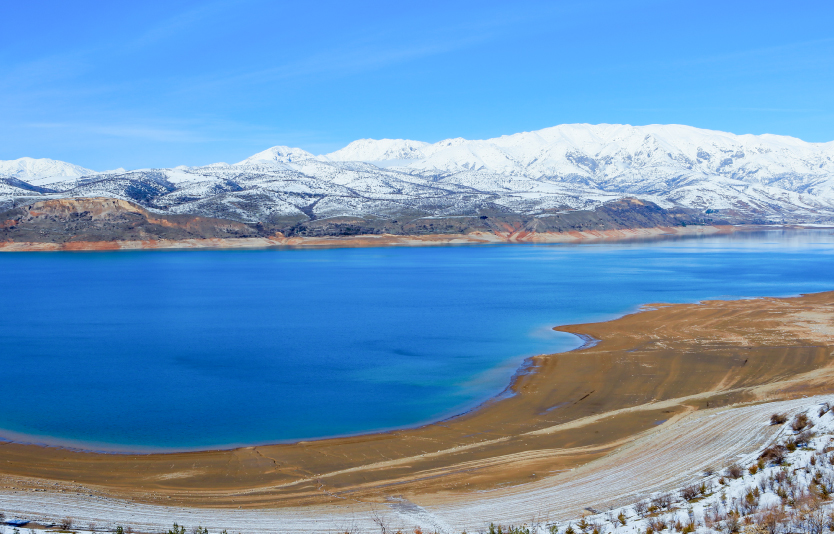
Mountains in Ugam-Chatkal national wild nature park, Uzbekistan
Understanding Ugam-Chatkal National Park Geography
For practical purposes, hikers often describe Ugam-Chatkal as consisting of three main geographic areas rather than officially defined visitor zones, each offering different experiences:
Ugam Zone sits closest to Tashkent, making it the most accessible section. The Ugam River valley contains the park's easiest trails. Pine and juniper forests provide shade during summer hikes. Most day-trippers from Tashkent explore this area.
Chatkal Zone stretches further east toward Kyrgyzstan's border. Higher elevation means cooler temperatures and more challenging terrain. The Chatkal River attracts rafting enthusiasts during spring runoff. Multi-day hiking routes cross mountain passes above 3,000 meters.
Pskem Zone reaches into remote valleys where few tourists venture. Access requires 4WD vehicles and local guides familiar with unmarked routes. Wildlife sightings—including ibex and golden eagles—happen more frequently here due to limited human presence.
Understanding which zone matches hiking abilities and time constraints prevents disappointment. The trail grade guide later in this post helps match fitness levels with appropriate routes.
Navigating the Hiking Permit Info and Requirements
Every visitor needs permits before entering Ugam-Chatkal National Park. The system confuses first-timers, but breaking it into steps simplifies the process:
Park Entry Permit: Required for all visitors. Entry fees for foreigners typically range between 30,000 and 60,000 som, depending on checkpoint and season. Rangers collect fees at main checkpoints. Keep receipts—secondary checkpoints sometimes request verification.
Border Zone Permits: Trails near Kyrgyzstan's frontier require additional clearance from Uzbekistan's border service. Border zone permits are required only for routes approaching the Kyrgyz border and typically take several days to over a week, depending on how the application is submitted. Tour operators handle this paperwork more efficiently than individual travelers. Cost adds $20-30 to trip expenses.
Overnight Camping Permits: Multi-day treks need separate authorization. Rangers want to know intended routes and camping locations. No additional fees apply, but the permit process requires visiting park headquarters in Gazalkent.
Photography Permits: While photography permits are technically regulated, enforcement in Ugam-Chatkal is inconsistent and rarely affects standard tourist photography. Most rangers ignore tourist cameras, but video crews and photographers with telephoto lenses sometimes face questions. Cost varies ($10-50) depending on ranger interpretations.
The easiest approach? Book through established tour operators who handle all hiking permit info requirements. Companies like Advantour and Uzbek Journeys include permits in package prices. Solo hikers save money but invest significant time navigating bureaucracy.
Walk-in permit acquisition works for simple day hikes in the Ugam Zone. Show up at the Gazalkent checkpoint, pay the entry fee, and hit the trails. More complex routes demand advance planning.
Essential National Park Hiking Tips for Trail Success
Years of conversations with rangers and fellow hikers revealed these practical insights:
Trail markings barely exist. Colored blazes and signs common in Western parks? Not here. Trails often consist of faint shepherd paths and animal tracks. GPS devices or downloaded offline maps (Maps.me works well) prevent getting lost.
Water sources need treatment. Mountain streams look pristine but livestock grazes throughout the park. Giardia and other parasites cause problems. Carry filtration systems or purification tablets.
Weather changes rapidly. Morning sunshine gives way to afternoon thunderstorms, especially June through August. The temperature drops 20 degrees above 2,500 meters. Pack layers regardless of valley conditions.
Wildlife encounters happen. While snow leopards avoid humans, wolves and wild boar inhabit lower elevations. Brown bears inhabit very remote parts of the park, though encounters are extremely rare. Make noise while hiking and never hike alone in distant zones.
Cell service vanishes. Networks cover main valleys but disappear in mountains. Satellite communicators provide emergency backup for serious expeditions.
Rangers patrol inconsistently. Don't expect mountain rescue services comparable to European or North American parks. Self-sufficiency matters—carry first aid supplies, extra food, and emergency shelter.
These national park hiking tips aren't meant to discourage—just to calibrate expectations. Ugam-Chatkal rewards prepared hikers with experiences impossible in more developed parks.
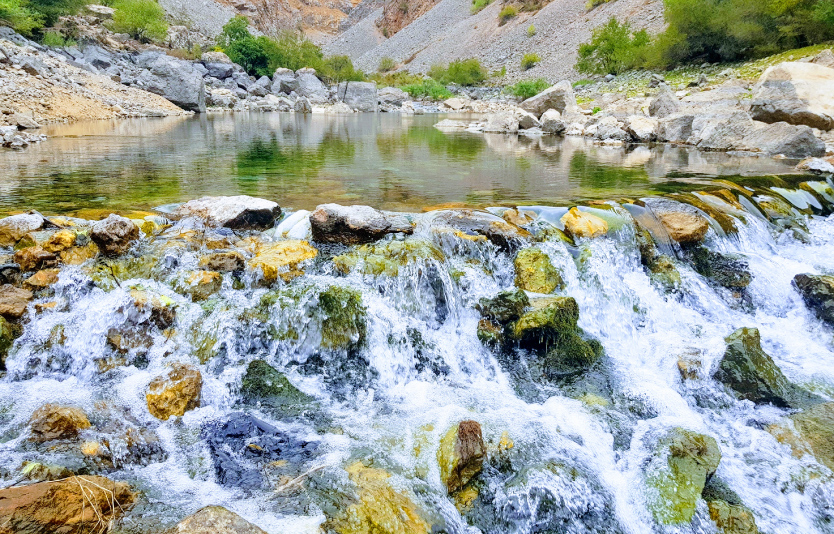
Small waterfall in the Ugam Chatkal national park east of Taskent
Comprehensive Trail Grade Guide for All Abilities
Matching fitness levels with appropriate trails prevents overexertion and disappointment. This trail grade guide categorizes routes by difficulty:
Easy (Grade 1-2): Family-Friendly Trails
Chimgan Valley Nature Walk: a short, well-trodden riverside path and access road popular with families. Minimal elevation gain. Picnic areas and rest stops every kilometer. Perfect for families with young children. Accessible year-round except deep winter.
Beldersay Lower Trail: 5-kilometer loop through pine forests. 150-meter elevation gain spread gradually. Well-worn path easy to follow. Spring wildflowers create stunning displays. Allow 2-3 hours including photo stops.
Moderate (Grade 3-4): Regular Hikers
Kumbel Peak Trail: 8-kilometer out-and-back climbing to 2,400 meters. Steady uphill requires decent cardiovascular fitness. Summit views span the entire Chimgan region. Start early—afternoon storms make the exposed ridge dangerous. 4-5 hours round trip.
Charvak Reservoir Circuit: 12-kilometer loop combining lakeside walking with forested hillsides. Several steep sections total 400 meters elevation gain. Spring brings rushing waterfalls. Summer heat makes this route challenging—carry extra water. 5-6 hours.
Challenging (Grade 5-6): Experienced Hikers
Big Chimgan Summit: 15-kilometer trek ascending 1,400 meters to 3,309-meter peak. Technical scrambling near summit requires sure footing. Snow lingers until June. Weather window matters—start by 6 AM. 8-10 hours including descent.
Aksarsay Valley Traverse: 18-kilometer route crossing high meadows and two passes above 3,000 meters. Navigation skills essential—the trail fades frequently. Possible as long day hike but better as overnight trip. July-September only. 10-12 hours.
Difficult (Grade 7-8): Expert Backpackers
Pskem Valley Expedition: 30+ kilometer multi-day route requiring 4-5 days. Multiple river crossings, undefined trails, significant wildlife exposure. Guide strongly recommended. Suitable only for self-sufficient backpackers with wilderness experience. June-September weather window.
Best Times for Ugam Chatkal Travel
Seasons dramatically affect trail accessibility and enjoyment:
Spring (April-May): Snow melts create raging waterfalls. Lower elevation trails become accessible. Higher passes remain snowbound. Wildflowers carpet meadows. Rivers run too high for safe crossing. Best for easy-to-moderate trails in the Ugam Zone.
Summer (June-August): All trails open. Warmest temperatures—valleys can exceed 35°C, but mountains stay comfortable. Afternoon thunderstorms arrive predictably. Peak season means more tourists near Chimgan but empty trails deeper in the park. Ideal for challenging high-altitude routes.
Autumn (September-October): Perfect hiking weather. Stable conditions, cool temperatures, golden foliage. Rivers drop to safe levels. First snow appears above 3,500 meters by late October. Best overall season for Ugam-Chatkal travel.
Winter (November-March): Lower trails accessible for experienced winter hikers. Higher elevations require mountaineering equipment. Ski resorts around Chimgan operate, drawing crowds to specific areas. Most park infrastructure closes. Only for serious winter adventurers.
Getting to Ugam-Chatkal National Park
The journey starts in Tashkent, Uzbekistan's capital:
By Shared Taxi: Catch marshrutkas from Chorsu Bazaar to Gazalkent (park headquarters). Departures every 30 minutes during daylight. Cost: 10,000-15,000 som ($1-1.50). Travel time: 90 minutes. From Gazalkent, negotiate rides with local drivers to specific trailheads ($5-15 depending on distance).
By Private Car: Hiring cars through hotels or apps costs $40-60 for day trips, $80-120 for overnight treks with return pickup. Drivers wait at trailheads or return at agreed times. Confirm prices and timing clearly—language barriers cause confusion.
By Tour Group: Day tours from Tashkent include transport, permits, lunch, and guides. Prices range $50-80 per person. Multi-day adventures cost $100-200 daily depending on group size and services. Worth the premium for complex routes requiring border permits.
By Personal Vehicle: Rental cars work for experienced travelers comfortable with mountain driving. Roads to Chimgan stay paved but deteriorate beyond main tourist areas. 4WD necessary for remote zones.
Parking exists near popular trailheads. Rangers sometimes charge unofficial fees (5,000-10,000 som). Lock vehicles—theft rarely occurs but caution prevents problems.
Accommodation Options Near the Park
Where to sleep depends on hiking plans and budget:
Gazalkent Base: The park headquarters town offers basic guesthouses ($15-25 per night). Family-run operations provide meals and local knowledge. Minimal English spoken. Book through hotels or arrive and inquire—vacancy usually available except summer weekends.
Chimgan Ski Resort: Hotels and lodges cater to winter skiers and summer hikers. Prices range from budget ($30-40) to mid-range ($60-100). Modern facilities, hot showers, restaurants. Books up during Uzbek holidays—reserve ahead.
Charvak Reservoir Resorts: The shoreline features everything from camping grounds to upscale resorts. Camping costs $5-10, basic bungalows $20-40, hotels $50-150+. Great for families combining hiking with swimming.
Backcountry Camping: Free anywhere in the park outside villages and restricted zones. No facilities exist—pack everything in and out. Water sources abundant but require purification. Snow leopard habitat means following proper food storage protocols.

Snow on the Lake coast of Ugam-Chatkal national park
Safety Considerations and Emergency Contacts
Preparation prevents most problems, but knowing emergency procedures matters:
- Park Ranger Headquarters (Gazalkent): +998 70 234 25 67
- Mountain Rescue (Chimgan): +998 90 123 45 67
- Emergency Services: 112 (limited English)
Cell coverage reaches main valleys but disappears in mountains. Share detailed itineraries with hotel staff or friends. Satellite communicators (Garmin InReach, SPOT) provide security on remote routes.
Common issues include:
Altitude sickness: Headaches, nausea, dizziness above 2,500 meters. Descend immediately if symptoms worsen. Acclimatize gradually.
Dehydration: The dry climate and exertion demand 3-4 liters of water daily. Streams provide sources but need treatment.
Falls and sprains: Loose scree and unmarked trails cause most injuries. Trekking poles improve stability. Ankle-supporting boots prevent twists.
Getting lost: GPS batteries die, weather obscures landmarks. Map and compass backups essential. If lost, stay put and signal rescuers.
The park lacks developed rescue infrastructure. In rare cases, helicopter evacuation may be arranged through state authorities, though availability, cost, and response time are unpredictable. Travel insurance covering adventure activities saves potential financial disaster.
What to Pack: Essential Gear Checklist
- Sturdy hiking boots (ankle support crucial)
- Layered clothing (temperature swings exceed 25°C)
- Rain jacket and pants (afternoon storms guaranteed)
- Sun protection (hat, sunscreen, sunglasses)
- Water filtration system
- Detailed maps (offline GPS backup)
- First aid kit (include altitude medication)
- Emergency shelter (space blanket minimum)
- Headlamp with extra batteries
- Multi-tool or knife
- High-energy snacks (villages offer limited resupply)
- Cash in small bills (cards useless beyond Chimgan)
Leave unnecessary items behind. The nearest outdoor gear shop sits in Tashkent—equipment problems require returning to the city.
FAQ
Do guides help or can solo hikers explore Ugam-Chatkal National Park safely?
Solo hiking works fine on popular trails near Chimgan and in the Ugam Zone during summer months. These routes see enough traffic that getting completely lost seems unlikely. However, remote areas, multi-day treks, and border zones absolutely require guides—both for navigation and permit requirements. The lack of trail markers and infrastructure makes solo ventures into distant sections genuinely dangerous for those unfamiliar with the terrain.
How much does a typical day hike cost including permits and transport?
Budget around $15-25 for independent day hikes: park entry permit ($5), shared transport from Tashkent to trailheads ($2-3 each way), snacks and water ($5), and contingency for parking or local driver tips. Guided day tours cost $50-80 per person including everything. Multi-day expeditions run $100-200 daily depending on group size, guide quality, and whether camping or staying in guesthouses.
What physical fitness level does moderate trail hiking require?
Moderate trails (Grade 3-4) need ability to hike 8-12 kilometers with 300-500 meters elevation gain while carrying a day pack. Think walking uphill steadily for 2-3 hours with short breaks. Regular recreational hikers or people who exercise several times weekly handle these routes comfortably. More challenging grades require training—don't attempt Grade 7-8 expeditions without recent experience completing similar difficult multi-day treks.
Planning Your Uzbekistan Mountain Adventure: Travel Documentation and Visa Support
Exploring the pristine wilderness and challenging trails of Ugam-Chatkal National Park starts with securing proper travel documentation for Uzbekistan. International visitors typically need visas, though the country's e-visa system has made entry significantly easier for outdoor enthusiasts wanting to experience Central Asia's premier hiking destination.
GVC simplifies the Uzbekistan visa application process, handling the administrative details while adventurers focus on training for those Grade 5-6 trails and researching the best camping spots near Pskem Valley. The online system processes most applications within 3-5 business days, providing enough lead time to arrange permits, book guides, and coordinate transportation to trailheads.
Budget-conscious backpackers appreciate knowing all costs upfront when planning extended trips. Transparent pricing from GVC eliminates surprise fees, making it easier to calculate total expedition costs—visas, park permits, guide services, equipment rentals, and that inevitable extra gear purchase in Tashkent's outdoor markets.
After submitting applications, travelers can track their visa approval status online, receiving updates as processing moves forward. This monitoring feature helps finalize flight bookings and coordinate with tour operators scheduling multi-day treks.
The mountains wait patiently. Snow leopards still prowl high ridges. Ancient junipers cling to slopes they've occupied for centuries. Each trail into Ugam-Chatkal National Park reveals landscapes untouched by mass tourism—the kind of wilderness that reminds hikers why mountains call so persistently. Pack the permits, respect the terrain, and discover Central Asia's hidden alpine treasures.
Related Articles:
- Travel Guide To Tashkent The Capital Of Uzbekistan
- Tashkent Safe
- Travel To Uzbekistan Budget You Need To Prepare For Your Trip
- The Ultimate Uzbekistan Travel Guide What Travelers Need To Know
- Travel Advisory Uzbekistan Guide For Safe And Enjoyable Travel
- Best Places To Visit In Tashkent Discover Uzbekistans Hidden Gems
- Accommodation In Tashkent Uzbekistan Your Ultimate Guide
Tags