Sufi Heritage Bukhara: Naqshbandi Shrine Visitor Guide
The call to prayer echoes across Bukhara's ancient walls gather at one of the most revered Sufi pilgrimage sites in Central Asia.. The Naqshbandi Shrine stands as the spiritual heart of Sufi heritage Bukhara, where centuries of mystical tradition continue to draw seekers of divine wisdom. This holy complex, dedicated to Bahauddin Naqshband, founder of the influential Naqshbandi Sufi order, offers visitors a profound glimpse into Central Asia's rich spiritual legacy.
Walking through the shrine's peaceful courtyards feels like stepping into a living sanctuary where time moves differently. The ancient mulberry trees that witnessed countless prayers still shade modern pilgrims, creating an unbroken chain between past and present. Understanding the depth of this sacred space requires more than casual observation – it demands respect, preparation, and genuine appreciation for the spiritual traditions that have flourished here for over 600 years.

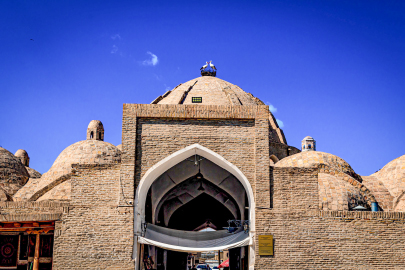
Traditional Bukhara architecture at the Sufi shrine of Saint Bahauddin Naqshbandi
Essential Naqshbandi Shrine Tour Information
Planning your naqshbandi shrine tour requires understanding both the sacred nature of the site and practical visiting requirements. The complex opens daily from sunrise to sunset, with Friday prayers drawing the largest crowds. Early morning visits offer the most peaceful experience, allowing deeper appreciation of the shrine's spiritual atmosphere.
The main attraction centers on Bahauddin Naqshband's tomb, marked by a simple marble gravestone surrounded by an ornate wooden lattice. Some pilgrims walk slowly around the tomb while offering personal prayers, a devotional practice observed by many visitors. The adjacent mosque accommodates hundreds of worshippers during peak prayer times.
Key areas within the shrine complex:
- Bahauddin Naqshband's tomb chamber
- The Friday Mosque with intricate mihrab
- Ancient mulberry trees traditionally associated with the life of Bahauddin Naqshband
- Meditation courtyard for quiet reflection
- A small exhibition area displaying items related to Sufi history and local religious traditions
Entry to the shrine remains free, though donations are welcomed and support ongoing maintenance. Photography is permitted in most areas, but visitors should ask permission before photographing people at prayer. The complex provides prayer rugs and ablution facilities for those wishing to participate in Islamic worship.
Local guides offer detailed explanations about Sufi practices and the shrine's history. These knowledgeable locals, often with family connections to the Naqshbandi tradition, provide insights unavailable in guidebooks. Expect to pay 50,000-100,000 som ($4-8) for a comprehensive guided tour lasting 1-2 hours.
Mastering Bukhara Visitor Etiquette
Proper bukhara visitor etiquette ensures respectful interaction with both the sacred space and fellow pilgrims. Dress codes require modest clothing covering arms and legs completely. Women must cover their hair when entering prayer areas, while men should wear long pants and shirts with sleeves. The shrine provides head coverings for visitors who arrive unprepared.
Remove shoes before entering the tomb chamber and mosque areas. The shrine provides shoe storage, but keeping valuables with you prevents theft concerns. Walk quietly and speak in hushed tones throughout the complex, maintaining the contemplative atmosphere essential to the site's spiritual function.
Observing prayer times shows respect for active worship. During the five daily prayers, particularly Friday noon prayers, non-Muslim visitors should remain in designated areas. This allows worshippers space for their religious obligations while enabling continued visitation for cultural appreciation.
Essential etiquette guidelines:
- Dress modestly with covered arms and legs
- Remove shoes in sacred areas
- Maintain quiet, respectful behavior
- Ask permission before photographing people
- Follow guide instructions regarding restricted areas
- Show reverence during prayer times
Understanding the significance of various rituals enhances the visit experience. Many pilgrims touch the tomb's marble surface while making personal prayers. Historically, some devotees believed soil from the area carried blessings, though today visitors are encouraged to respect preservation rules. Witnessing these acts of devotion provides profound insights into living religious tradition.
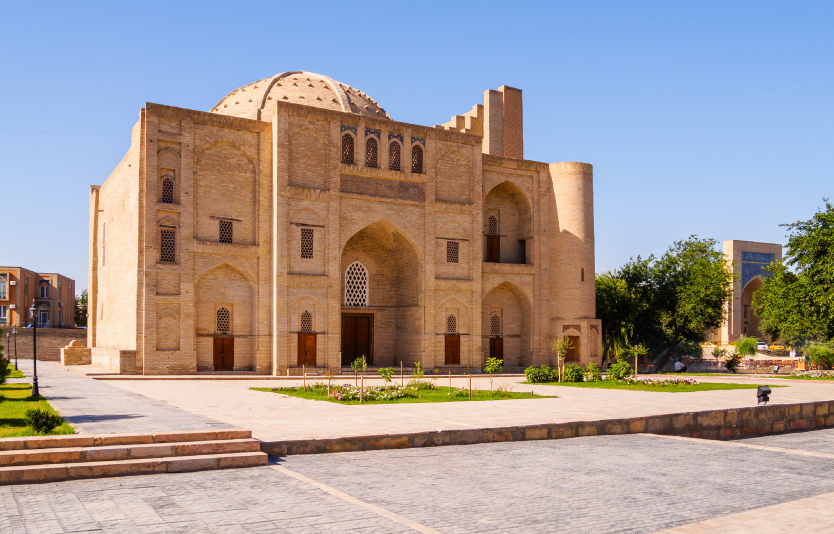
Nadir Divan-Begi khanaka - Sufi monastery, Bukhara
Exploring Sufi Pilgrimage Uzbekistan Traditions
Sufi pilgrimage Uzbekistan encompasses far more than visiting individual shrines. Pilgrims often follow established routes connecting multiple sacred sites across the region. The Naqshbandi Shrine serves as a central stop on these spiritual journeys, which may include visits to other Sufi masters' tombs throughout the Bukhara region.
Traditional pilgrimage practices involve specific prayers and rituals at each location. Pilgrims often begin their journey with spiritual preparation, including fasting and increased meditation. The physical journey becomes a metaphor for inner spiritual development, with each shrine visit representing a stage in mystical advancement.
Modern pilgrims arrive from across the Muslim world, creating a diverse international community within the shrine's walls. Conversations in Arabic, Turkish, Persian, and Urdu blend with local Uzbek and Russian, reflecting the universal appeal of Naqshbandi teachings.
The pilgrimage season peaks during Islamic holy months, particularly Ramadan and the month of Hajj. During these periods, the shrine bustles with increased activity as organized groups arrive from various countries. Solo travelers visiting during quieter periods experience a more intimate connection with the sacred space.
Historical Bukhara Tour Context
Understanding historical bukhara tour context enriches appreciation of the Naqshbandi Shrine's significance. Bukhara served as a major center of Islamic learning for over a millennium, attracting scholars, mystics, and students from across the known world. The city's madrasas produced influential theologians, while its Sufi lodges nurtured spiritual masters whose influence spread globally.
The Naqshbandi order played a crucial role in Bukhara's intellectual and spiritual development. The shrine became a pilgrimage destination during Bahauddin Naqshband's lifetime, growing in importance after his death. Successive rulers, recognizing the order's influence, supported shrine maintenance and expansion.
Historical Period | Significance | Key Developments |
14th Century | Foundation Era | Bahauddin Naqshband establishes order |
15th-16th Century | Golden Age | Shrine becomes major pilgrimage site |
Soviet Period | Suppression | Religious activities heavily restricted |
The Soviet era brought significant challenges to Sufi traditions. Religious practices faced severe restrictions, and many shrines suffered neglect or destruction. The Naqshbandi Shrine survived due to its architectural and historical significance, though religious activities virtually ceased.
Uzbekistan's independence in 1991 marked a renaissance for Sufi heritage. The government recognized the shrine's cultural importance while supporting religious freedom. Restoration projects returned the complex to its former glory, while pilgrimage activities resumed with renewed vigor.
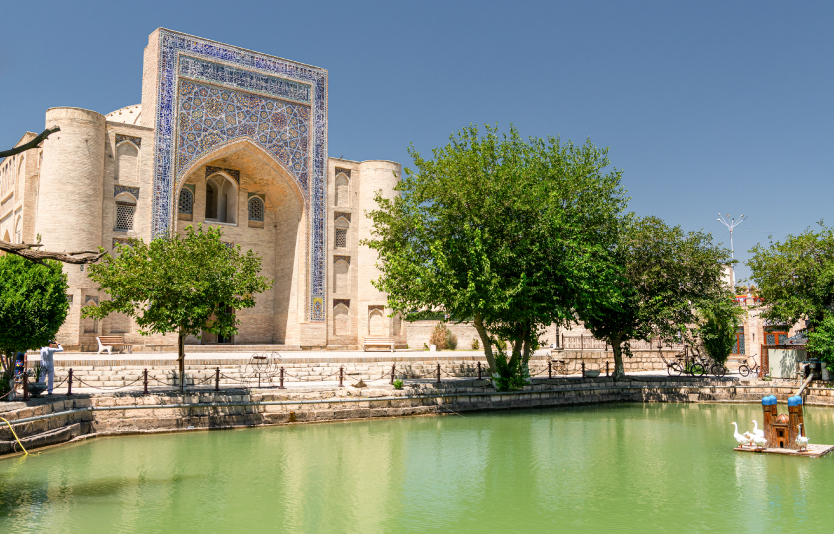
BUKHARA, UZBEKISTAN: Nadir Divanbegi Khanaka
Practical Visiting Information
Transportation to the shrine proves straightforward from central Bukhara. The complex sits approximately 12 kilometers northeast of the city center in Kasri Orifon village. Shared taxis charge 15,000-20,000 som ($1.20-1.60) per person for the 20-minute journey. Private taxis cost 40,000-60,000 som ($3-5) for round trips including waiting time.
Many visitors combine the shrine visit with other nearby attractions. The Chor-Bakr necropolis, containing tombs of Naqshband's descendants, lies just 2 kilometers away. This "City of the Dead" features stunning Islamic architecture and offers additional insights into Sufi burial traditions.
Timing visits around prayer schedules maximizes the experience. The dawn prayer (Fajr) creates particularly moving moments as the complex awakens with spiritual activity. Evening prayers (Maghrib) offer beautiful lighting as the sun sets behind ancient minarets.
How long should visitors plan for the Naqshbandi Shrine?
A thorough visit requires 2-3 hours, including time for contemplation and photography. Rushed visits miss the spiritual atmosphere that makes this site special. Allow extra time during Islamic holidays when crowds may slow movement through the complex.
Can non-Muslim visitors enter all areas of the shrine?
Most areas welcome visitors of all faiths, though certain spaces may be restricted during prayer times. The tomb chamber and main courtyard remain accessible, while the active mosque may limit access during congregational prayers. Guides clarify current access policies.
What souvenirs are appropriate to purchase at the shrine?
Small prayer books, postcards featuring shrine imagery, and blessed items like prayer beads are available from vendors near the entrance. Avoid purchasing items from within the sacred areas to maintain appropriate reverence. Support local artisans selling traditional crafts outside the complex.
Discovering Spiritual Central Asia
Exploring sufi heritage bukhara opens doors to understanding Central Asia's profound spiritual traditions. The Naqshbandi Shrine represents just one jewel in Uzbekistan's crown of sacred sites, each offering unique insights into the region's mystical heritage. From the ancient wisdom preserved in shrine libraries to the living traditions maintained by contemporary Sufi practitioners, Bukhara continues to serve as a beacon for spiritual seekers worldwide.
The shrine's enduring appeal transcends religious boundaries, attracting historians, architects, and cultural enthusiasts alongside devoted pilgrims. The complex demonstrates how sacred spaces can maintain their spiritual function while welcoming diverse visitors, creating bridges between different faith traditions and cultural backgrounds.
Planning your spiritual journey to Uzbekistan requires proper documentation, and GVC simplifies the visa application process significantly. Their expertise ensures smooth travel preparation, allowing focus on the meaningful experiences awaiting in Bukhara's sacred spaces. Professional assistance eliminates common visa complications that could delay or disrupt travel plans.
Understanding entry requirements becomes crucial when planning pilgrimage journeys or cultural tours. Uzbekistan's visa policies vary by nationality, and expert guidance ensures compliance with current regulations. GVC's comprehensive services cover everything from initial applications to final approval tracking.
The country welcomes spiritual tourists throughout the year, though spring and autumn provide ideal weather conditions for extensive shrine visits. Summer temperatures can make outdoor exploration challenging, while winter brings occasional snow that adds mystical beauty to sacred sites.
Professional visa services prove especially valuable for group pilgrimages or complex itineraries involving multiple Central Asian countries.Tracking application progress provides peace of mind as departure dates approach, ensuring documentation arrives in time for planned spiritual journeys.
Don't let administrative concerns overshadow your spiritual preparation. GVC's streamlined approach handles visa complexities while you focus on the transformative experiences awaiting at Bukhara's sacred sites.Current processing fees and timeframes help budget travel expenses and plan departure timing effectively for this meaningful journey into Central Asia's mystical heart.
Related Articles:
- Bukhara At Sunrise Quiet Lanes Courtyards And Reflection Pools
- Best Cities To Visit In Uzbekistan A Journey Through Time And Culture
- The Ultimate Uzbekistan Travel Guide What Travelers Need To Know
- Visit Khiva Exploring Uzbekistans Living Museum City
- Top Tourist Attraction In Uzbekistan A Travel Guide Easily
- Discover The Architectural Marvels Of The Silk Road Uzbekistan
- Cities To Visit In Uzbekistan Exploring The Best Destinations
Tags