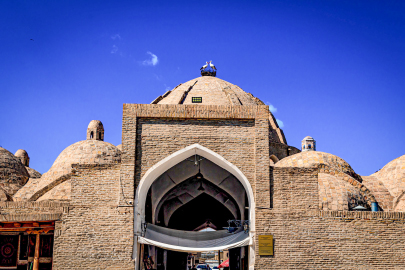
Rishtan Ceramics Uzbekistan: Potters, Motifs, and Buying Tips
The morning sun catches the turquoise glaze just right, sending brilliant reflections across the workshop floor. In Rishtan, a small town tucked into Uzbekistan's Fergana Valley, pottery wheels spin as they have for centuries. The rhythmic slap of clay against wood echoes through narrow alleyways where generations of master craftsmen have perfected their art.
Rishtan Ceramics Uzbekistan represents more than decorative plates and bowls. This ancient craft connects modern travelers to a thousand-year tradition that survived empires, wars, and Soviet collectivization. The distinctive blue-green glaze—made from local minerals—has become synonymous with Uzbek artistry worldwide.
Planning a visit? The journey takes commitment. Rishtan sits three hours by car from Tashkent, tucked between cotton fields and mountain foothills. But watching a master potter transform wet clay into a perfectly symmetrical bowl makes every bumpy kilometer worthwhile.
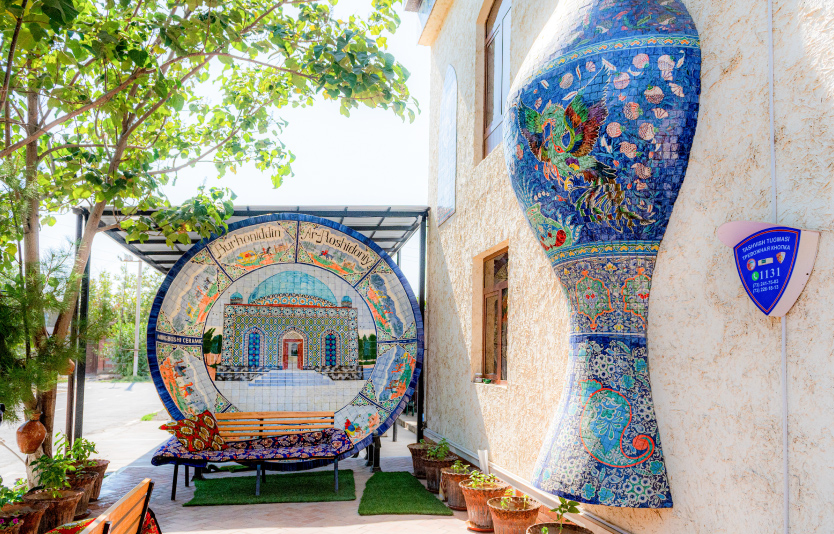
Wide range of traditional handicrafts - Uzbekistan
Understanding Traditional Rishtan Ceramic Motifs
Walk through any workshop and similar patterns repeat across different pieces:
The Peacock Tail: Radiating lines spreading from a central point symbolize prosperity and cosmic harmony. Craftsmen paint these freehand, each stroke requiring years of practice to master.
Pomegranate Seeds: Small dots clustered in circular patterns represent fertility and abundance. Ancient Persians considered pomegranates symbols of eternal life.
The Endless Knot: Interlocking geometric patterns with no beginning or end reflect Buddhist influences from Silk Road traders. They symbolize eternal wisdom and compassion.
Fish Scales: Overlapping semicircles covering plate surfaces originated from pre-Islamic totemic beliefs. Fish represented life-giving water in this desert region.
Cotton Bolls: White circles with radiating lines honor Fergana Valley's primary crop. This motif became popular during the 20th century.
Master potters combine these elements instinctively. No two pieces match exactly. The "imperfections" prove authenticity—machine-made copies show identical patterns across multiple items.
Meeting the Master Potters of Rishtan
Rustam Usmanov's workshop sits down a residential street unmarked on any map. His courtyard opens to reveal shelves stacked with drying plates, wheels spinning clay, and a wood-fired kiln that reaches 900 degrees Celsius.
"My grandfather taught my father, my father taught me," Rustam explains while centering clay on his wheel. "The knowledge lives in our hands, not books."
He demonstrates the "ishkor" glaze—that distinctive turquoise-green color. The recipe includes ash from specific desert plants, ground quartz, and metallic oxides. The exact proportions remain family secrets.
Visiting workshops requires patience and respect:
- Call ahead or arrive with a local guide
- Remove shoes before entering work areas
- Ask permission before photographing craftsmen
- Expect demonstrations to last 20-30 minutes
- Bring small gifts—sweets or tea appreciated
Alisher Nazirov runs the most tourist-friendly operation. His museum-workshop combination displays historical pieces alongside modern creations. English-speaking staff explain techniques. Prices run higher than other workshops, but the educational experience justifies the cost.
Smaller family operations offer authentic experiences. Abdurahmon Sayfutdinov welcomes visitors to his modest workshop. His son translates while three generations demonstrate different production stages—clay preparation, wheel throwing, painting, and glazing.
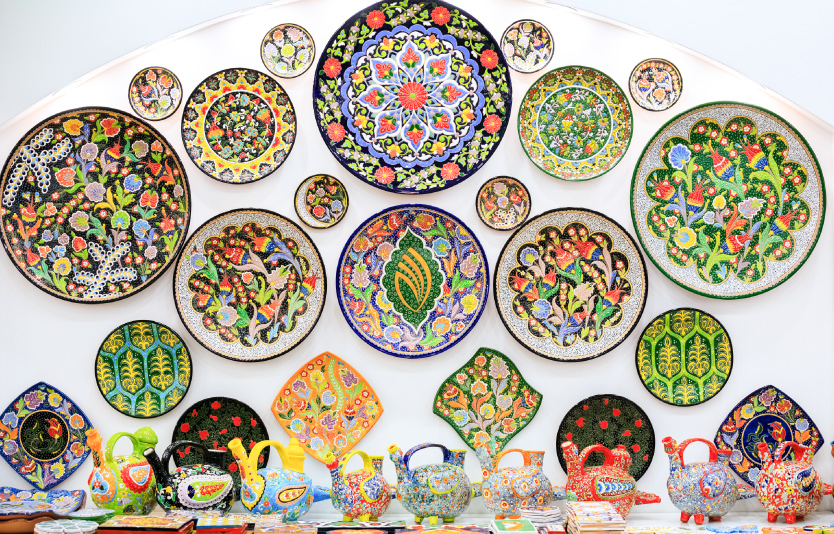
Handmade ceramics, Rishtan painting, bright, beautiful ornaments and patterns
How Rishtan Ceramics Are Made Today
The process spans two weeks from raw clay to finished piece:
Clay preparation starts with digging red clay from hillsides outside town. Workers mix it with water, remove impurities, and age it for several weeks. Proper aging prevents cracking during firing.
Wheel throwing happens on simple kick wheels unchanged for centuries. The potter centers clay, opens the form, and pulls walls upward. A skilled craftsman throws a large plate in five minutes.
First drying takes three days. Pieces dry slowly in shaded areas. Too much sun causes warping.
Bisque firing hardens the clay at 800 degrees. Wood-fired kilns produce uneven temperatures that create unique color variations.
Painting requires steady hands and decades of practice. Artists use brushes made from sheep hair, dipping them in mineral pigments mixed with water.
Glazing applies the ishkor mixture across painted surfaces. The green glaze looks muddy before firing—the brilliant turquoise appears only after heat transforms the chemical composition.
Final firing reaches 900-920 degrees. The kiln cools gradually over 12 hours. Opening it too soon ruins entire batches.
Modern workshops balance tradition with practical reality. Some use electric wheels for initial shaping. Gas kilns offer temperature control. But the crucial steps—painting and glazing—remain entirely handmade.
Shopping Guide: Buying Authentic Rishtan Ceramics
The market floods with fakes. Chinese imports and machine-made copies fill Tashkent bazaars. Authentic Rishtan Ceramics Uzbekistan pieces show specific characteristics:
Weight: Genuine pieces feel substantial. The thick walls insulate contents and survive daily use.
Glaze texture: Run fingers across the surface. Authentic ishkor glaze has subtle variations—slightly thicker in recessed areas, thinner on raised edges.
Bottom finish: Authentic pieces show unglazed clay on the bottom with visible wheel marks. Perfectly smooth bottoms indicate machine production.
Price reality: Small bowls start at $15-20. Dinner plates run $30-50. Large decorative platters reach $100-200. Anything cheaper likely isn't authentic.
Workshop purchases: Buying direct from potters ensures authenticity. Prices run 20-30% lower than Tashkent shops. Craftsmen pack pieces carefully for travel.
Bargaining happens differently than other bazaars. Workshop prices already reflect fair value. Aggressive haggling insults craftsmen. Polite negotiation might yield 10-15% discounts on multiple pieces.
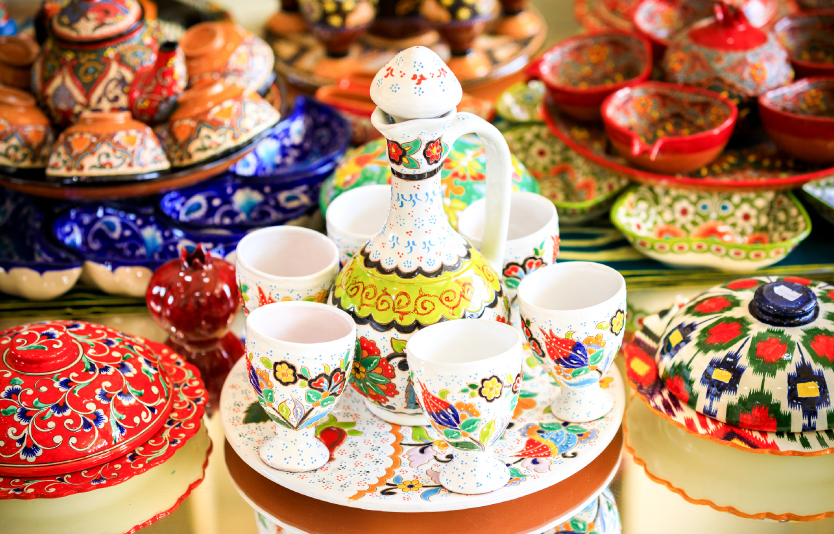
Uzbek colorful dishes, bright souvenirs, Rishtan ceramics
Practical Tips for Visiting Rishtan
Getting there: Shared taxis from Tashkent cost $8-10 per person. Private cars run $60-80. The journey takes three hours on good roads. Marshrutkas (minibuses) offer the cheapest option at $5 but require multiple transfers.
Best timing: Spring (April-May) and autumn (September-October) offer comfortable temperatures. Summer heat exceeds 40°C. Winter workshops reduce production due to cold.
Language barriers: Few craftsmen speak English. Hiring a guide costs $40-60 for the day but transforms the experience. Many Tashkent tour companies offer Rishtan day trips.
Workshop etiquette:
- Dress modestly—covered shoulders and knees
- Accept offered tea graciously
- Don't touch pieces without permission
- Photograph people only after asking
- Purchase something if spending significant time
Shipping options: Workshops ship internationally for $30-50 depending on quantity. Pack pieces in carry-on luggage when possible—checked baggage risks breakage despite careful wrapping.
Where to Find the Best Rishtan Workshops
Workshop Name | Specialty | Visitor Experience | Price Range |
Alisher Nazirov Center | Museum + production, English tours | Most tourist-friendly, educational displays | $$$ (Higher) |
Rustam Usmanov Workshop | Traditional methods, master craftsman | Authentic, requires translator | $$ (Moderate) |
Sayfutdinov Family Studio | Multi-generation demonstrations | Intimate, very authentic | $ (Fair prices) |
The ceramics market in Rishtan's center offers one-stop shopping. Twenty vendors display work from various craftsmen. Quality varies significantly—examine pieces carefully. Vendors expect bargaining here, unlike workshop direct purchases.
Bringing Rishtan Ceramics Home Safely
Broken pottery ranks among travelers' biggest regrets. Protection requires serious preparation:
- Wrap each piece individually in bubble wrap—minimum three layers
- Fill hollow spaces with crumpled paper
- Use rigid containers, not soft bags
- Mark boxes "FRAGILE" in multiple languages
- Carry small pieces in personal bags
- Consider shipping large purchases
Airlines technically allow ceramics in carry-on bags. Security screening sometimes requires additional inspection. Arrive early to accommodate potential delays.
Postal shipping from Uzbekistan takes 3-6 weeks. Track packages religiously. Insurance costs 5-10% of declared value but provides peace of mind for expensive pieces.
The Cultural Significance of Rishtan Pottery
Beyond aesthetics, these ceramics carry deep meaning. Families display Rishtan Ceramics Uzbekistan pieces during important celebrations. The blue color represents sky and water—both sacred in Islamic tradition.
Wedding gifts traditionally include Rishtan tea sets. The pottery symbolizes the foundation of a new household. Patterns painted on wedding plates carry blessings for prosperity and children.
Daily use matters to craftsmen. "Don't put them on shelves," Rustam insists. "Use them for tea, for plov, for fruit. The clay wants to serve people."
This philosophy separates Rishtan pottery from purely decorative crafts. The thick walls keep tea hot and plov warm. The mineral glazes contain no toxins—safe for food and heat.
Beyond Pottery: Exploring Rishtan Town
The town itself rewards exploration beyond workshops. The Friday Mosque dates to the 19th century with beautiful tile work. The local bazaar sells fresh nan bread, seasonal fruits, and spices.
Choyxona (teahouses) serve traditional Uzbek meals. Try oshi palov—Fergana Valley's version of pilaf with lamb, carrots, and rice cooked in cottonseed oil. Most meals cost $3-5.
Local hospitality sometimes overwhelms Western sensibilities. Workshop families invite visitors for tea and snacks. Refusing feels rude, but accepting everything offered leads to uncomfortably full stomachs. Take small portions, compliment generously.
FAQ
Can Rishtan ceramics go in dishwashers and microwaves?
Traditional pieces tolerate hand washing with mild soap but avoid dishwashers—the harsh detergents and high heat can dull the glaze over time. Microwave use works fine for most pieces, though some older glazes contain metallic compounds that spark. Test with short intervals first.
How do I distinguish between authentic Rishtan pottery and imitations?
Check the weight (authentic pieces feel substantial), examine the glaze for natural variations, look at the unglazed bottom for hand-thrown wheel marks, and verify the price matches quality. Genuine pieces start around $15 for small bowls. When possible, buy directly from workshops rather than general souvenir shops.
What's the best way to pack ceramics for international flights?
Wrap each piece individually with at least three layers of bubble wrap, nest smaller pieces inside larger ones with padding between, use rigid containers instead of soft bags, and carry valuable items in your personal bag. Mark everything "FRAGILE" and arrive at the airport with extra time for potential security inspections.
Planning Your Uzbekistan Journey: Visa Services and Travel Resources
Exploring the remarkable ceramic workshops and cultural heritage sites around Rishtan Ceramics Uzbekistan requires proper travel documentation. Most international visitors need a visa to enter Uzbekistan, though the e-visa system has simplified the process considerably in recent years.
GVC streamlines visa applications for Uzbekistan, handling the paperwork while travelers focus on planning their pottery shopping and cultural experiences. The Uzbekistan visa application process takes just minutes online, with most e-visas approved within 3-5 business days. This efficiency means less time worrying about documentation and more time researching which Rishtan workshops to visit.
Understanding costs upfront helps budget the entire trip. GVC's transparent pricing structure shows exactly what travelers pay for visa services, with no hidden fees. This clarity helps when calculating total trip expenses—visa costs, flights, accommodation, and inevitably, shipping costs for all those beautiful ceramic pieces that prove impossible to resist.
After submitting the application, travelers can monitor their visa status online, receiving updates as the application progresses through approval stages. This tracking feature provides peace of mind during the final weeks before departure.
The journey to Rishtan rewards those who make the effort. Standing in a centuries-old workshop, watching skilled hands transform clay into art, connects travelers to living history. Each piece carries the spirit of Fergana Valley—its clay, water, minerals, and most importantly, its people. The pottery survives not as museum relics but as functional art enriching daily life. That bowl holding morning oatmeal or plate presenting dinner to guests keeps Rishtan's ancient craft alive in homes worldwide.
Related Articles:
- Kokand City Guide Khudayar Khan Palace And Old Quarters
- Top Tourist Attraction In Uzbekistan A Travel Guide Easily
- Cities To Visit In Uzbekistan Exploring The Best Destinations
- Uzbekistan Places To Visit For A Stunning Vacation
- The Ultimate Uzbekistan Travel Guide What Travelers Need To Know
- Travel To Uzbekistan Budget You Need To Prepare For Your Trip
- Best Cities To Visit In Uzbekistan A Journey Through Time And Culture
Tags