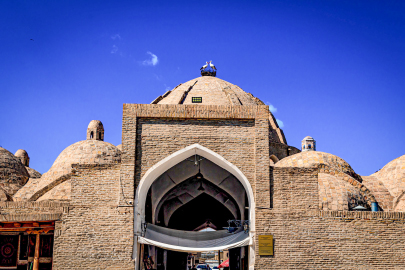
Chorsu Bazaar Tashkent: Bread Ovens, Spices, and Fruit Seasons
Step into Chorsu Bazaar and feel the pulse of Uzbekistan. This ancient trading hub sits at the heart of Tashkent, where the aroma of fresh bread mingles with exotic spices and seasonal fruits create a sensory feast. The massive blue dome marks your entry into one of Central Asia's most vibrant markets, where centuries-old traditions meet modern-day commerce.
Chorsu Bazaar Uzbekistan represents more than just shopping – it's a living museum of local culture. Every corner tells a story, from the skilled bakers tending their traditional ovens to vendors arranging colorful spice pyramids. This bazaar travel guide will help you navigate the maze of stalls and discover the authentic flavors that define Uzbek cuisine.
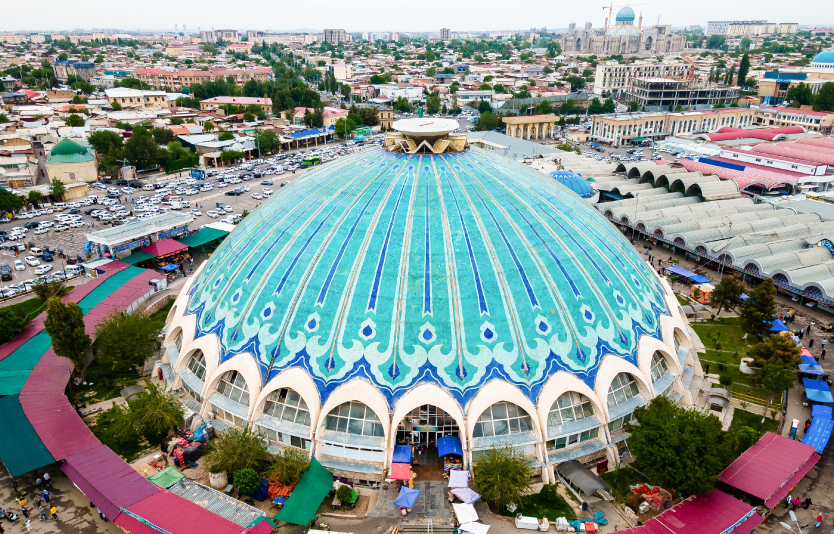
Tashkent, Uzbekistan Aerial view of the Chorsu market
The Heart of Bread Oven Culture
Walking through Chorsu Bazaar, the sight of traditional tandoor ovens immediately captures attention. These clay tandoor ovens reach extremely high temperatures—often several hundred degrees Celsius—ideal for baking Uzbekistan’s traditional breads. The bread oven culture here spans generations, with bakers starting their craft before dawn.
Watch skilled artisans slap dough against the oven walls with practiced precision. The most popular bread, non, emerges golden and crispy, marked with distinctive patterns pressed by wooden stamps. Each region of Uzbekistan has its unique bread style, but Chorsu offers one of the widest selections of Uzbek bread varieties in Tashkent.
Popular bread types at Chorsu:
- Obi non - traditional flatbread with decorative patterns
- Patyr non - layered bread perfect with tea
- Shirmal - sweet milk bread for special occasions
- Kulcha - small round breads topped with sesame seeds
The bakers work in shifts to ensure fresh bread throughout the day. Most baking happens early in the morning, with some ovens continuing production later in the day. Prices range from 2,000 to 5,000 som ($0.15-$0.40) per loaf, making it an affordable treat for visitors. Prices are very affordable by local standards, though they vary by season and inflation.
Navigating the Spice Aisles Market
The spice section of Chorsu Bazaar creates an explosion of colors and aromas. Vendors arrange their goods in perfect pyramids of saffron, cumin, coriander, and dozens of other seasonings. These spice aisles market stalls showcase ingredients essential to Uzbek cooking.
Local spice merchants possess encyclopedic knowledge about their products. They'll explain how to use unfamiliar seasonings and often provide small samples. The quality here surpasses what you'll find in regular supermarkets, with many spices sourced directly from local farms.
Must-try spices at Chorsu:
- Zira (cumin) - essential for plov preparation
- Red pepper flakes - adds heat to traditional dishes
- Dried mint - perfect for tea blends
- Barberry - tart berries used in rice dishes
- Turmeric - gives dishes golden color and earthy flavor
Bargaining is expected and welcomed. Start by offering half the quoted price and negotiate from there. Buying multiple items from one vendor often leads to better deals and free samples of premium spices.
Understanding Fruit Season Uzbekistan
Timing your visit around fruit season Uzbekistan transforms your bazaar experience. The country's continental climate creates distinct harvesting periods, with each season bringing different produce to market stalls.
Spring arrives with early fruits like apricots and sweet cherries. Summer explodes with melons, grapes, and stone fruits. Autumn delivers the famous Uzbek pomegranates and persimmons. Winter focuses on dried fruits and preserved varieties.
Season | Featured Fruits | Peak Months |
Spring | Apricots, cherries, strawberries | April-May |
Summer | Melons, grapes, peaches, plums | June-August |
Autumn | Pomegranates, persimmons, apples | September-November |
Uzbek melons deserve special mention. The Torpedo melon, with its elongated shape and incredible sweetness, represents the pinnacle of local fruit cultivation. Vendors will often cut samples to prove their fruit's quality before purchase.
Local fruits cost significantly less than imported varieties. A kilogram of seasonal fruit ranges from 5,000 to 15,000 som ($0.40-$1.20), depending on variety and quality.
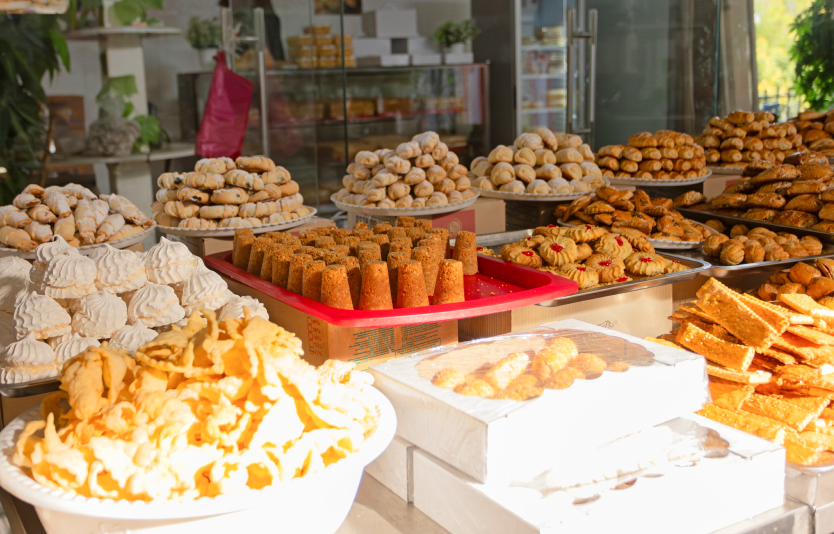
Traditional biscuits and Uzbek baked items is on sale in Chorsu Bazaar
Practical Bazaar Travel Guide Tips
Best visiting times: Early morning (7-9 AM) offers the freshest products and cooler temperatures. Avoid midday heat during summer months.
Payment methods: Cash remains king at Chorsu. Bring small denominations of Uzbek som for easier transactions. Some larger vendors accept cards, but don't rely on it.
Language barriers: Basic Russian or Uzbek phrases help, but many vendors speak limited English. Download a translation app or bring a phrase book.
Safety considerations: Keep valuables secure and be aware of pickpockets in crowded areas. The bazaar is generally safe, but standard travel precautions apply.
Transportation: Metro stations Chorsu and Tinchlik provide convenient access. Taxis are readily available, but agree on prices beforehand.
Cultural Etiquette and Local Customs
Respect local customs while exploring the bazaar. Dress modestly, especially when visiting during prayer times. Photography is generally acceptable, but ask permission when photographing people directly.
Many vendors appreciate genuine interest in their products and culture. Learning basic greetings in Uzbek or Russian creates positive interactions and often leads to better prices or extra samples.
Haggling is part of the experience, but remain respectful throughout negotiations. Building rapport with vendors can lead to insider knowledge about the best products and when to find seasonal specialties.
What Makes Chorsu Special
Chorsu Bazaar Uzbekistan stands apart from typical tourist markets through its authentic local atmosphere. Real families shop here daily, creating an atmosphere where tradition and commerce blend naturally. The bazaar serves both locals and visitors without losing its genuine character.
The architectural beauty adds another layer to the experience. The distinctive blue dome, visible from across Tashkent, symbolizes the bazaar’s long trading history, while the current structure dates largely from the Soviet era. Modern renovations preserve historical elements while improving functionality.
What are the opening hours of Chorsu Bazaar?
Chorsu Bazaar operates daily from 6:00 AM to 6:00 PM, with some stalls opening earlier for bread sales. Friday mornings can be particularly busy due to weekend shopping patterns.
How much money should I budget for shopping at the bazaar?
A reasonable budget ranges from $20-50 for tourists wanting to sample foods and buy souvenirs. Serious shoppers or those buying gifts should budget $50-100. Fruits and bread are very affordable, while spices and crafts cost more.
Is it safe for solo travelers to visit Chorsu Bazaar?
Yes, Chorsu Bazaar is generally safe for solo travelers, including women. Standard precautions apply: keep valuables secure, stay aware of surroundings, and trust your instincts if situations feel uncomfortable.
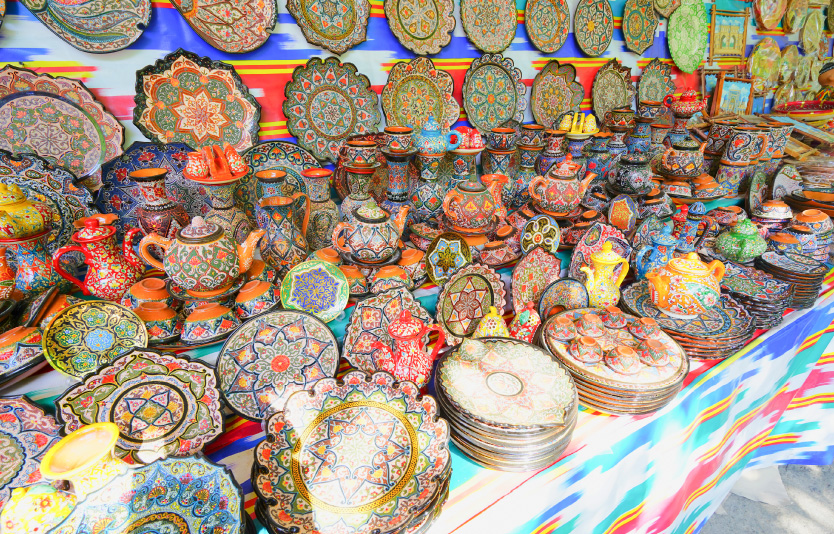
Colorful plates and pots at Chorsu bazaar, Tashkent
Planning Your Uzbekistan Adventure
Exploring chorsu bazaar uzbekistan offers just a taste of what this fascinating country provides. The bazaar serves as an excellent introduction to Uzbek culture, cuisine, and hospitality. Whether sampling fresh bread from traditional ovens or selecting spices for cooking adventures, Chorsu creates lasting memories.
Before embarking on your Uzbekistan journey, ensure proper travel documentation. Most visitors require visas, and GVC simplifies this process significantly. Their comprehensive services handle everything from initial applications to status tracking, making travel preparation stress-free.
GVC's expertise extends beyond basic visa processing. They provide detailed guidance about entry requirements, processing times, and documentation needs specific to your nationality. Their user-friendly platform allows easy application submission and real-time status monitoring throughout the process.
Uzbekistan's e-visa system offers convenience for many travelers, though requirements vary by country. Professional assistance ensures proper completion and reduces rejection risks.Planning your visit becomes much simpler with expert guidance and support throughout the application process.
The country welcomes travelers year-round, though spring and autumn provide ideal weather conditions. Summer temperatures can exceed 40°C (104°F), while winters bring snow and freezing temperatures to northern regions. Consider seasonal fruit availability when timing your visit for the ultimate bazaar experience.
GVC's streamlined services eliminate common visa application frustrations. Their experienced team understands changing requirements and provides current information aboutprocessing timeframes and costs. This expertise proves invaluable for travelers managing tight schedules or complex itineraries requiring precise timing.
Don't let visa concerns prevent you from experiencing Chorsu Bazaar's magic.Check your application status easily through GVC's tracking system, providing peace of mind as your departure date approaches. Professional visa assistance transforms what could be a stressful process into a smooth preparation phase for your Central Asian adventure.
Related Articles:
- Bukhara At Sunrise: Quiet Lanes And Reflection Pools
- Best Cities To Visit In Uzbekistan: A Journey Through Time And Culture
- The Ultimate Uzbekistan Travel Guide: What Travelers Need To Know
- Visit Khiva: Exploring Uzbekistan's Living Museum City
- Top Tourist Attraction In Uzbekistan: A Travel Guide Easily
- Discover The Architectural Marvels Of The Silk Road Uzbekistan
- Cities To Visit In Uzbekistan: Exploring The Best Destinations
Tags