Multan Sufi Trail: Shrines, Blue Pottery, and Mango Season
October 09, 2025
Multan calls itself the "City of Saints," and after walking through its dusty streets lined with centuries-old shrines, you'll understand why. This ancient Pakistani city offers travelers a unique spiritual trail that combines mystical Sufi heritage with vibrant local crafts and seasonal delights. The Multan Sufi trail takes you on a journey through sacred spaces where devotees have prayed for over 700 years, workshops where artisans create stunning blue pottery, and bustling markets during the famous mango season.
Multan Sufi Trail
The Sacred Heart of Multan's Sufi Shrines
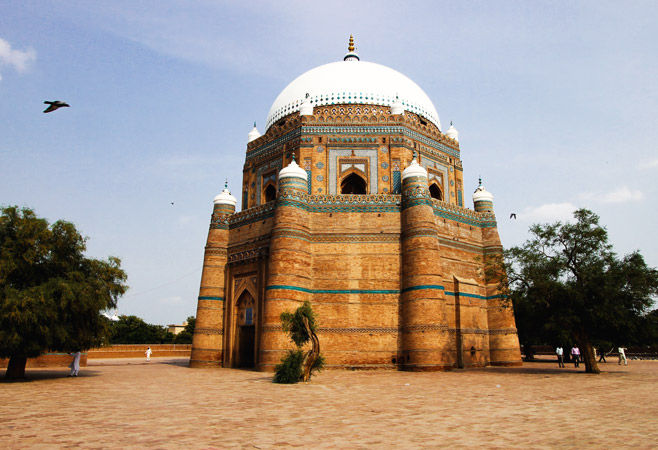
The spiritual trail begins at the tomb of Shah Rukn-e-Alam, Multan's most revered saint. This massive octagonal mausoleum dominates the city skyline with its brilliant blue and white tiles. Built in the 14th century, it stands as one of Pakistan's finest examples of pre-Mughal architecture.
Key Sufi shrines on the spiritual trail:
- Shah Rukn-e-Alam Shrine - The centerpiece of Multan's Sufi heritage
- Bahauddin Zakariya Tomb - A 13th-century shrine with intricate tile work
- Shah Shams Tabriz Mausoleum - Known for its peaceful courtyard and evening prayers
- Hafiz Jamal Shrine - A smaller but equally moving spiritual site
While evening prayers are common, qawwali performances at Multan’s shrines typically take place during special religious occasions rather than on a weekly schedule. Thursday evenings bring the largest crowds, with families sharing communal meals outside the shrines.
Each shrine follows similar visiting customs. Remove shoes before entering, cover your head, and maintain respectful silence during prayers. Photography is usually permitted in courtyards but not inside the main tombs. Local guides usually charge between 1,500 and 3,000 PKR depending on the length and depth of the tour.
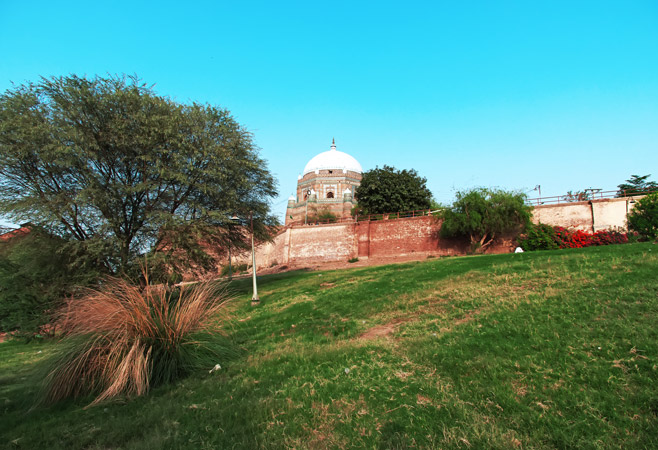
Shah Rukn-e-Alam Shrine
Discovering Multan's Famous Blue Pottery Tradition
The blue pottery workshops cluster around the old city, particularly near Haram Gate. This craft dates back centuries, with techniques passed down through generations of Multani families. The distinctive blue and white patterns draw inspiration from Islamic geometric designs and local floral motifs.
Master potter Ustad Ahmad runs one of the city's most respected workshops. His family has practiced this art for over 200 years, creating everything from decorative tiles to functional kitchenware. Visitors can watch artisans shape clay on traditional wheels, paint intricate patterns, and fire pieces in wood-burning kilns.
What makes Multani blue pottery special:
- Hand-mixed glazes using local minerals
- Traditional firing techniques reaching 1000°C
- Unique cobalt blue shade not found elsewhere
- Geometric patterns inspired by shrine decorations
Workshops are mainly located around Haram Gate, Kotla Tolay Khan, and parts of Shah Rukn-e-Alam Colony, generally operating from 10 AM to 5 PM. A typical pottery piece costs 200-2000 PKR depending on size and complexity. Larger items can be shipped internationally, though expect additional packaging and courier costs. The best workshops are located along Kutchery Road and inside the old city walls.
Timing Your Visit for Mango Season Magic
Multan's mango season transforms the entire city from May through July. The region produces some of Pakistan's finest varieties, including the prized Chaunsa and Sindhri mangoes. During peak season, the air carries the sweet fragrance of ripe fruit, and street vendors set up colorful displays on every corner.
Prime mango season timeline:
- Early May - First varieties like Dosehri arrive
- Mid-June - Peak season with maximum variety and lowest prices
- Late July - Season winds down with late-ripening varieties
The main mango market near Railway Station becomes a sensory wonderland during this period. Vendors slice fresh samples for potential buyers, and the bargaining reaches theatrical levels. Expect to pay 100-300 PKR per kilogram for premium varieties during peak season.
Local families organize mango parties in their courtyards, inviting neighbors to share the seasonal bounty. These gatherings often feature traditional music and poetry, creating perfect opportunities for cultural exchange with friendly locals.
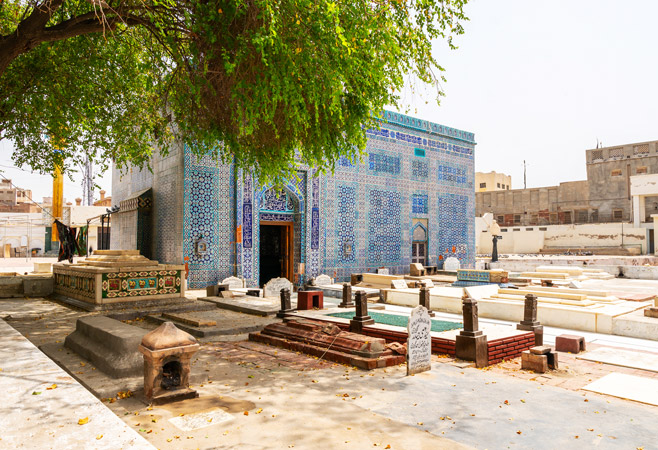
Multan Darbar Hazrat Yousaf Shah Gardez Tomb
Planning Your Spiritual Trail Journey
The complete Multan Sufi trail requires 2-3 days for a thorough exploration. Start early mornings at 7 AM to avoid the intense afternoon heat, especially during summer months when temperatures soar above 40°C.
Recommended 3-day itinerary:
Day | Morning Activity | Afternoon Focus | Evening Experience |
1 | Shah Rukn-e-Alam Shrine | Blue pottery workshops | Sunset at city walls |
2 | Bahauddin Zakariya Tomb | Mango market visit | Qawwali performance |
3 | Remaining shrines tour | Local handicraft shopping | Traditional dinner |
Transportation around the city works best with rickshaw rides typically cost 100–200 PKR within the city, while hiring a private car with driver ranges from 3,500 to 5,000 PKR per day. Walking between shrines in the old city covers reasonable distances, though the heat can be challenging for some visitors.
Budget travelers can find decent accommodation for 1500-3000 PKR per night, while mid-range hotels cost 4000-8000 PKR. Book in advance during mango season when the city receives more visitors.
Local Customs and Cultural Sensitivity
Multan's residents take pride in their Sufi heritage and welcome respectful visitors. Dress modestly when visiting shrines - long pants and covered arms for everyone, headscarves for women. Friday prayers bring larger crowds and heightened spiritual atmosphere, but also longer waiting times at popular shrines.
Learning basic Urdu greetings enhances interactions with locals. "As-salamu alaykum" (peace be upon you) serves as both greeting and farewell. Most shrine caretakers speak some English, and younger pottery artisans often welcome practice opportunities with English-speaking visitors.
Practical Travel Tips for the Sufi Trail
Best time to visit: October through March offers pleasant weather for walking tours. Avoid July-August extreme heat unless you're specifically targeting peak mango season.
Essential items to pack:
- Comfortable walking shoes for shrine visits
- Lightweight scarf for shrine entry requirements
- Cash in small denominations for donations and purchases
- Portable water bottle for hydration during tours
- Basic first aid kit including stomach medication
Most shrines accept small donations (20-50 PKR) placed in collection boxes near the main tomb. This supports shrine maintenance and helps local communities.
Street food around shrines offers authentic flavors, but stick to busy stalls with high turnover for food safety. The famous Sohan Halwa makes an excellent gift to take home - local shops near shrines sell beautifully packaged boxes.
Frequently Asked Questions
What's the best time of day to visit Sufi shrines in Multan?
Early morning (7-9 AM) and late afternoon (4-6 PM) provide the most comfortable temperatures and peaceful atmosphere. Evening visits during sunset offer magical lighting and often include live qawwali performances.
How much should I budget for a complete Multan Sufi trail experience?
Budget travelers can complete the trail for 8000-12000 PKR per day including accommodation, meals, transportation, and shopping. Mid-range travelers should budget 15000-25000 PKR daily for more comfortable stays and guided experiences.
Are there any restrictions for international visitors at the shrines?
International visitors are welcome at all major shrines with proper respectful dress and behavior. International visitors are generally free to enter all shrines without registration, provided they follow standard dress and etiquette guidelines.
Exploring the Multan Sufi trail offers travelers an authentic glimpse into Pakistan's rich spiritual heritage combined with vibrant cultural traditions. The journey through ancient shrines, pottery workshops, and seasonal mango markets creates lasting memories while supporting local communities who have preserved these traditions for centuries.
Planning your visit to Pakistan's cultural gems like Multan requires proper visa documentation. GVC specializes in streamlining the Pakistan visa process for international travelers, offering comprehensive services from application to approval. Their experienced team understands the specific requirements for cultural and spiritual tourism, ensuring your journey to explore Multan's Sufi heritage proceeds smoothly. Whether you need assistance with visa pricing information or want to check your application status, GVC provides reliable support throughout the process. For travelers planning extended stays to fully experience Pakistan's diverse regions, detailed destination information helps optimize your itinerary and visa requirements. The spiritual trail of Multan represents just one of many incredible experiences awaiting visitors to Pakistan's ancient cities.
Related Articles:
- Backpacker's Guide To Lahore: Exploring Pakistan's Cultural Capital
- Exploring Punjab Pakistan Destinations: Ultimate Travel Guide
- Discover The Wonderful Of Best Tourist Attractions Pakistan For Travelers
- Pakistan Travel Guide: Discover The Gems Of South Asia
- Top Best Places For An Unforgettable Day Trip From Lahore
- Islamabad To Karachi: A Journey Between Pakistan's Icons
- Pakistan Tour Experience: Comprehensive Itineraries For Your Journey
Tags