Hingol National Park Planner: Princess of Hope and Lion's Mouth
October 09, 2025
Standing before the towering Princess of Hope rock formation in Pakistan's largest national park feels like discovering an ancient secret. Hingol National Park stretches across 6,100 square kilometers of Balochistan's dramatic landscape, where nature has carved impossible sculptures from sandstone cliffs over millions of years. This comprehensive park planner guides adventurous travelers through one of Pakistan's most remarkable wilderness areas, where the famous Lion's Mouth formation guards valleys filled with otherworldly rock formations.
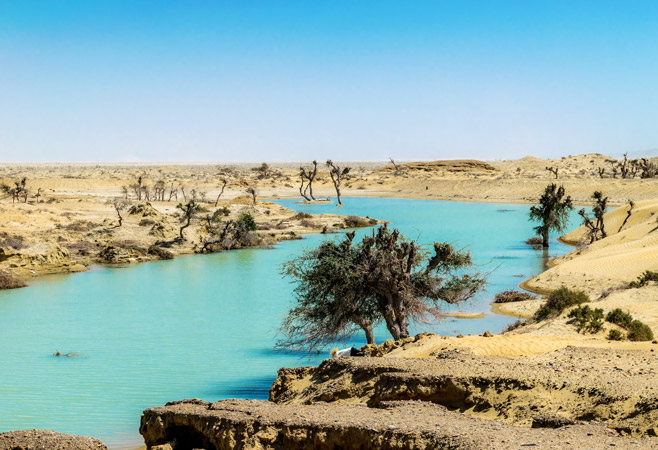
Hingol National Park
Understanding Hingol National Park's Unique Geography
Hingol National Park lies along Pakistan’s Arabian Sea coast, approximately 230–250 kilometers from Karachi depending on the specific formation you visit. The park encompasses diverse ecosystems from coastal mangroves to inland desert, but most visitors come for the spectacular rock formations scattered throughout its interior valleys.
The park's geology tells a 50-million-year story written in sandstone, limestone, and clay deposits. Wind and water erosion created the iconic sculptures that make Hingol famous among adventure photographers and geology enthusiasts. These formations cluster in several key areas, with the Princess of Hope and Lion's Mouth serving as the park's crown jewels.
Major zones within Hingol National Park:
- Sphinx Valley - Princess of Hope is located near Buzi Pass, an area known for clusters of eroded rock formations that locals sometimes refer to informally as the “Sphinx Valley”
- Lion's Mouth Area - Features the massive jaw-shaped rock arch
- Mud Volcanoes Region - Active geological features near Chandragup
- Coastal Mangroves - Hingol River delta wildlife habitat
- Desert Plateaus - Rolling hills with scattered rock outcrops
Wildlife spotting opportunities include Sindh ibex, urial sheep, chinkara gazelles, and over 180 bird species. The coastal belt near Kund Malir is known for occasional sightings of marine turtles, although such wildlife encounters are separate from the main inland rock formations.
The Majestic Princess of Hope Formation
The Princess of Hope rises prominently above its surroundings, with estimates placing its height at roughly 60–80 feet in Sphinx Valley, resembling a woman gazing toward the horizon. Local legends claim she represents a princess waiting for her lover's return from distant battles. Geologists explain the formation as differential erosion - softer rock layers wore away while harder sandstone remained.
Reaching the Princess of Hope requires a 45-minute walk from the nearest vehicle access point. The trail crosses rocky terrain with minimal shade, making early morning or late afternoon visits essential during hot months. Photography enthusiasts should plan for golden hour lighting, which dramatically enhances the formation's feminine profile.
The viewing area provides multiple angles for photography, from close-up detail shots to wide landscape compositions including surrounding formations. Drone use is restricted due to the park’s sensitive surroundings, and visitors must obtain advance permission from local authorities rather than relying on on-site permits.
Best photography timing:
- Sunrise (6:30-7:30 AM) - Soft light on eastern face
- Late afternoon (4:30-5:30 PM) - Golden hour warmth
- Blue hour (after sunset) - Silhouette opportunities with clear skies
Local guides often share folklore about the Princess while pointing out other formations visible from the viewpoint. These stories add cultural context to the natural wonder, though verify any historical claims independently.
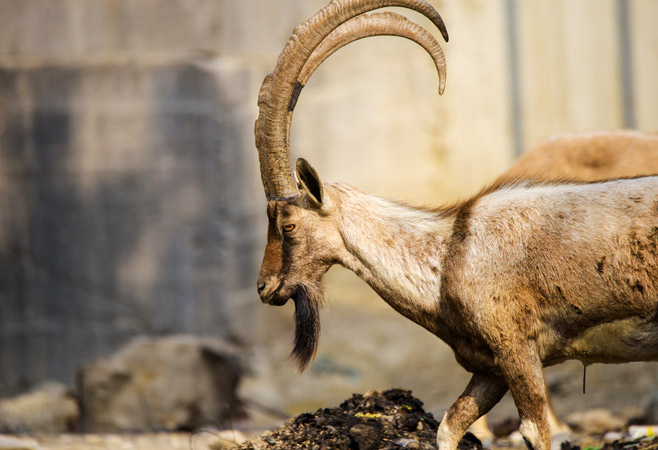
Hingol River wildlife habitat
Exploring the Dramatic Lion's Mouth Rock Formation
The Lion’s Mouth is a prominent arch-shaped formation whose exact dimensions vary by source, but it creates the striking appearance of an open jaw carved naturally from sandstone
Unlike the Princess of Hope's solitary beauty, Lion's Mouth sits among clusters of smaller rock formations that create a natural amphitheater. Visitors can walk through the "mouth" opening, though the rocky floor requires careful footing. The formation's interior stays noticeably cooler than surrounding areas, providing welcome relief during midday heat.
Safety considerations at Lion's Mouth:
- Loose rocks near the arch edges require caution
- Flash flood channels run through the formation area
- No climbing allowed on the formation itself
- Emergency communication is limited in this remote location
The surrounding valley contains dozens of smaller formations worth exploring. Many resemble animals, human faces, or architectural structures when viewed from specific angles. Allow 2-3 hours for thorough exploration of the Lion's Mouth area, including time for photography and rest breaks.
Essential Park Planner Information
Planning a successful Hingol National Park visit requires careful preparation due to its remote location and challenging climate. The park operates year-round, but seasonal weather variations significantly impact visitor experience and safety.
Optimal visiting seasons:
Season | Weather Conditions | Best Activities | Challenges |
Winter (Nov-Feb) | 15-25°C, clear skies | All formations, camping | Limited daylight hours |
Spring (Mar-May) | 20-35°C, occasional rain | Photography, hiking | Increasing temperatures |
Summer (Jun-Sep) | 35-45°C, humid coast | Early morning visits only | Extreme heat, dehydration risk |
Hingol National Park generally does not enforce a standardized entry fee, and costs vary depending on whether travelers book through private operators or use guided services. Guide services range from 2,000-4,000 PKR per day depending on group size and itinerary complexity.
Basic accommodation is available near Kund Malir, the closest stay option for visiting the main formations, while Ormara offers more facilities but lies farther away. Basic hotels charge 2,500-4,000 PKR per night, while guesthouses offer beds for 1,500-2,500 PKR. Camping inside the park provides the most authentic experience but requires bringing all supplies.
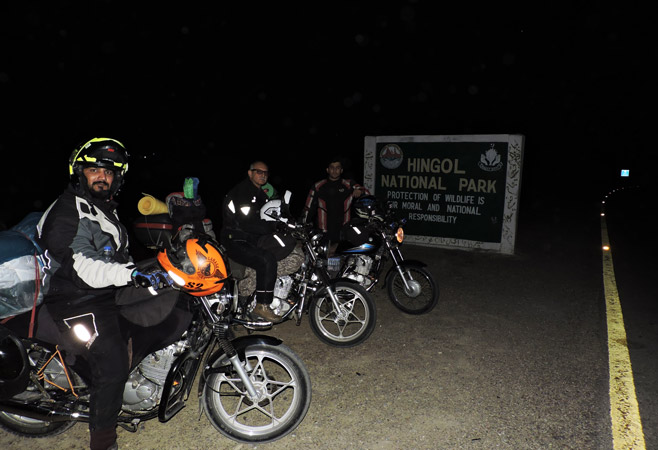
Private vehicles in Karachi
Transportation and Access Routes
Reaching Hingol National Park requires careful route planning, as public transportation doesn't serve the remote formation areas. Most visitors arrange private vehicles in Karachi or join organized tours from major cities.
Primary access routes:
- From Karachi - 4-5 hours via Makran Coastal Highway (350 km)
- From Gwadar - 3 hours inland via connecting roads (180 km)
- From Ormara - 1.5 hours to park entrance (90 km)
A standard vehicle can reach the main viewing points along the Makran Coastal Highway, though a 4WD is recommended for deeper exploration beyond the designated parking areas. Sedan cars can reach the main entrance but cannot access Princess of Hope or Lion's Mouth areas safely.
Fuel availability is limited near the park. Fill tanks in Ormara or Las Bela before entering, and carry extra fuel for extended exploration. The nearest fuel station to formation areas is 80 kilometers away in Ormara town.
Mobile coverage is limited in several parts of the park, so offline maps are necessary for navigation. Download offline maps before departure and inform others of your planned route and return timing.
Wildlife and Conservation Awareness
Hingol National Park protects endangered species including Sindh ibex and green sea turtles. Responsible visiting practices help preserve these populations for future generations while ensuring continued access for eco-tourism.
Visitors should maintain 50-meter distances from all wildlife, avoid loud noises near nesting areas, and never feed wild animals. The park's fragile ecosystem requires careful human impact management, especially around popular formations where foot traffic can cause erosion.
Wildlife viewing opportunities:
- Dawn and dusk - Most active periods for mammals
- Coastal areas - Marine life and migratory birds
- Rocky outcrops - Reptiles and smaller mammals
- Water sources - Concentrated animal activity
Photography of wildlife follows standard ethical guidelines - no flash photography, minimal disturbance, and respect for animal behavior. Park rangers conduct regular patrols and can provide current wildlife activity information.
Safety and Emergency Preparedness
Remote wilderness conditions at Hingol National Park demand thorough safety preparation. Cell phone coverage is sporadic, and medical facilities are hours away from formation viewing areas.
Essential safety equipment includes first aid supplies, extra water (4 liters per person minimum), navigation tools, emergency shelter, and reliable communication devices. Satellite communicators or emergency beacons provide backup communication options for serious emergencies.
Common safety challenges:
- Extreme temperature variations between day and night
- Flash flood potential in valley bottoms during rare rain events
- Limited rescue access in remote formation areas
- Venomous snake and scorpion presence in rocky areas
Travel in groups of at least two vehicles when possible, and register with park authorities upon entry and exit. Share detailed itineraries with contacts outside the park, including expected return times and emergency contact procedures.
What's the best time to visit Hingol National Park's rock formations?
October through March offers ideal conditions with comfortable temperatures and clear skies perfect for photography. Avoid June through September when extreme heat makes midday exploration dangerous and uncomfortable.
How long should visitors plan for exploring Princess of Hope and Lion's Mouth?
A full day allows comfortable exploration of both major formations plus several smaller sites. Early departure from nearby towns enables sunrise photography at Princess of Hope and sunset viewing at Lion's Mouth with adequate travel time between locations.
What type of vehicle is required for accessing the rock formations?
Four-wheel drive vehicles with high ground clearance are essential for reaching Princess of Hope and Lion's Mouth viewpoints. Standard cars cannot safely navigate the rocky park roads and seasonal water crossings between formations.
Hingol National Park represents Pakistan's premier destination for geological wonders and adventure tourism, where ancient rock formations create an outdoor museum millions of years in the making. The park's remote location and challenging access requirements reward prepared visitors with exclusive access to some of Asia's most spectacular natural sculptures. Princess of Hope and Lion's Mouth formations anchor an unforgettable wilderness experience that combines natural history education with world-class photography opportunities.
Discovering Pakistan's hidden natural treasures like Hingol National Park requires proper travel documentation and planning support. GVC provides comprehensive visa services for international visitors planning adventure tourism experiences throughout Pakistan's diverse regions. Their expert team understands the specific requirements for extended wilderness travel, ensuring your exploration of remote destinations proceeds without documentation complications. For travelers planning multi-region adventures, complete destination guidance helps optimize itineraries and visa requirements. Whether you need current pricing information for visa services or want to monitor your application progress, GVC delivers reliable support throughout the planning process. Pakistan's geological wonders await adventurous travelers prepared for authentic wilderness experiences in one of Asia's most remarkable national parks.
Related Articles:
- Hidden Treasures Of Balochistan Pakistan
- Karachi To Gwadar: Finding Your Favorite Way To Travel
- Top 7 Tourist Attractions In Pakistan For Adventure Seekers
- Discover The Wonderful Of Best Tourist Attractions Pakistan For Travelers
- Pakistan Travel Guide: Discover The Gems Of South Asia
- Pakistan Travel Safety: What You Need To Know Before Visiting
- Pakistan Tour Experience: Comprehensive Itineraries For Your Journey
Tags