Katpana Cold Desert: Sand Dunes, Sunsets, and Seasonal Tips
November 08, 2025
Imagine standing on golden sand dunes with snow-capped peaks towering behind you. This isn't a mirage—it's the Katpana Cold Desert, one of the world’s highest cold deserts with sand dunes and Pakistan's most surreal landscape. Located just 20 minutes from Skardu town in Gilgit-Baltistan, this unique destination sits at approximately 2,200–2,300 meters above sea level and offers something most deserts can't: snow in winter.
The first time you see the Katpana Cold Desert, the contrast stops you in your tracks. Rippling sand dunes stretch across the valley floor while the Karakoram mountains create a dramatic backdrop. Unlike hot deserts, temperatures here drop below freezing in winter, making it one of the planet's rare cold deserts.
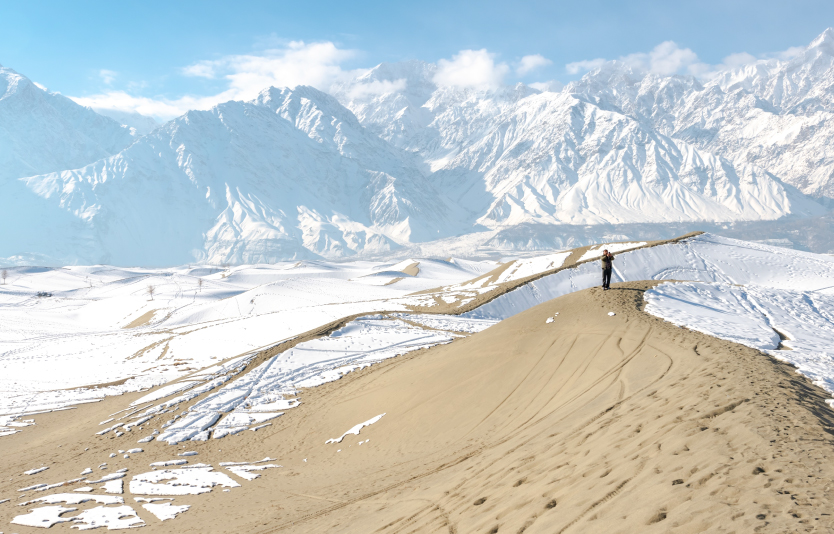
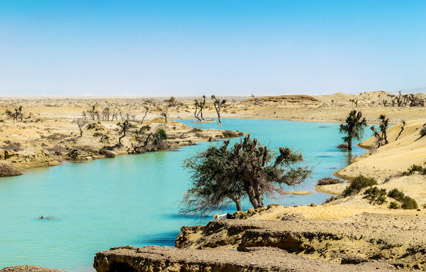
Katpana Cold Desert, Skardu, Gilgit Baltistan
Getting to Katpana Cold Desert: What You Need to Know
Reaching this cold desert travel guide destination requires planning. Skardu serves as your gateway, accessible by a scenic 10-hour drive from Islamabad or a 50-minute flight (weather permitting). From Skardu city center, the desert lies about 8 kilometers east along Shigar Road.
Transportation Options:
- Local taxi: PKR 1,500-2,000 round trip
- Private jeep hire: PKR 3,000-4,000 for half-day
- Motorcycle rental: PKR 2,500-3,000 per day
- Tour packages: PKR 5,000-8,000 including guide
Road conditions are generally good in warmer months, but winter travel may be affected by snow, ice, and weather-related closures. Some tour operators combine the desert with nearby Katpana Lake and Shigar Fort visits.
Sand Dunes Photography: Capturing the Perfect Shot
The Katpana sand dunes photography opportunities rank among Pakistan's best. The dunes shift constantly, creating fresh patterns that photographers dream about. Morning and late afternoon light transforms the landscape, with shadows adding depth to every ridge and valley.
Best Photography Times:
- Golden hour (one hour after sunrise): 6:30-7:30 AM in summer
- Blue hour (twilight): 7:00-8:00 PM in summer
- Midday (for contrast shots): 12:00-2:00 PM with polarizing filter
Bring a wide-angle lens (16-35mm) for landscape shots and a telephoto lens (70-200mm) for mountain details. The fine sand gets everywhere, so protective bags matter. A tripod helps for long exposures during sunset shoot Pakistan sessions.
Local photographers recommend climbing the highest accessible dune for panoramic views. The 20-minute climb rewards you with 360-degree perspectives of sand meeting snow. Some visitors bring colorful fabrics or traditional clothing to add pop to their compositions.
Sunset Shoot Pakistan: Why Katpana Delivers
Watching sunset at Katpana Cold Desert feels almost spiritual. The mountains turn pink and orange while the sand glows amber. This natural theater runs for about 45 minutes, with colors shifting every few moments.
The desert faces west, making sunset viewing ideal. Unlike many photography spots, crowds stay manageable even during peak season. You'll find space to set up without elbowing other photographers.
Sunset Photography Tips:
- Arrive 90 minutes before sunset for location scouting
- Use graduated ND filters to balance sky and sand exposure
- Shoot in RAW format for maximum editing flexibility
- Include foreground elements like sand ripples or people for scale
- Stay 30 minutes after sunset for blue hour shots
Temperature drops quickly after sunset—10-15 degrees Celsius within an hour. Layer up and bring warm drinks. The nearby tea stalls close around dusk, so plan accordingly.
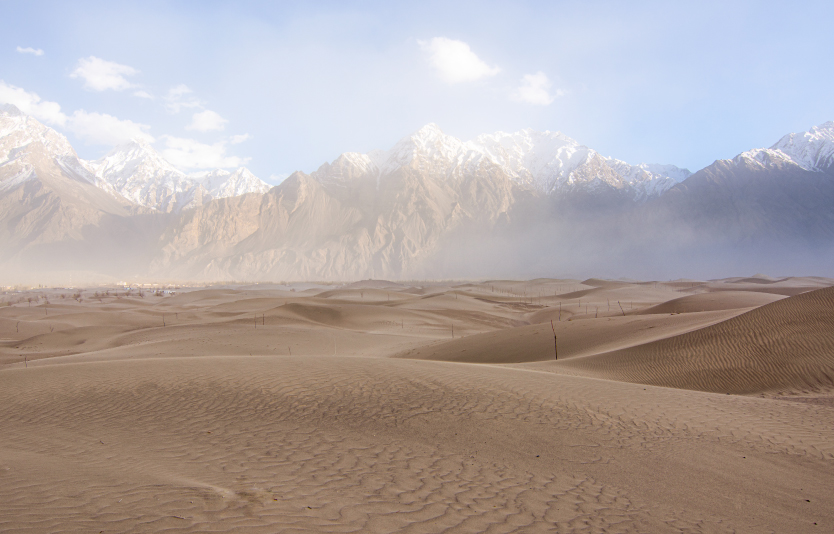
Katpana cold desert in skardu , Karakorum range
Seasonal Travel Safety: When to Visit Katpana
Each season transforms the cold desert travel guide experience. Understanding seasonal patterns helps you prepare properly and stay safe.
Season | Temperature Range | Best For | Safety Considerations |
Spring (Mar-May) | 10-25°C | Wildflowers, moderate weather, sand dunes photography | Sudden weather changes, pack layers |
Summer (Jun-Aug) | 20-30°C (occasionally higher during heatwaves) | Clear skies, festivals, sunset shoot Pakistan | Intense UV, bring sunscreen, limited shade |
Autumn (Sep-Nov) | 5-20°C | Golden landscapes, fewer tourists | Early snow possible, check road conditions |
Winter (Dec-Feb) | -10 to 5°C | Snow-covered dunes, unique photos | Extreme cold, some roads close, hire experienced driver |
Spring Adventures (March-May): Spring brings wildflowers dotting the desert edges and streams from snowmelt. The weather stays unpredictable—sunshine can turn to rain within hours. Pack waterproof layers and sunscreen in the same bag.
Summer Conditions (June-August): Peak tourist season means busier sites but also more services available. Heat builds during midday (reaching 35°C), making early morning and evening the comfortable exploration windows. The sand gets scorching—wear closed shoes.
Autumn Beauty (September-November): Many travelers call autumn the sweet spot. Comfortable temperatures, golden light, and harvest season in nearby villages create perfect conditions. Tourist numbers drop, meaning better prices and more solitude.
Winter Wonder (December-February): Snow transforms the desert into something otherworldly. Sand dunes wear white caps while temperatures plummet. Only experienced cold-weather travelers should visit during these months. Roads sometimes close, and services reduce significantly.
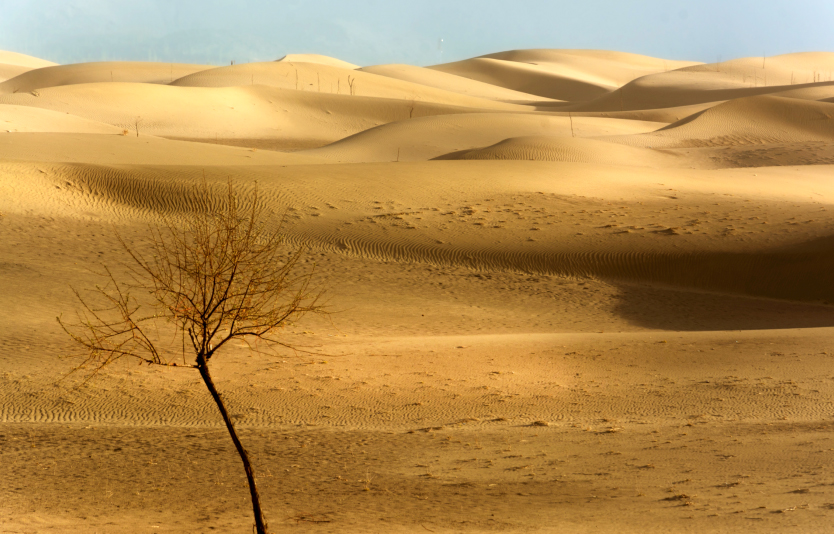
Cold desert in Pakistan, katpana desert is a cold high altitude sand dune desert
Essential Gear for Desert Exploration
Packing right makes the difference between comfortable adventure and miserable experience:
- Sturdy hiking boots (sand hiking differs from regular trails)
- Sun protection: hat, sunglasses, SPF 50+ sunscreen
- Layers: thermal base, fleece mid-layer, windproof jacket
- Water bottles (3 liters minimum per person)
- First aid kit including blister treatment
- Power bank for camera and phone charging
- Headlamp for evening return trips
- Sand-proof bags for electronics
Where to Stay Near Katpana Cold Desert
Skardu town offers accommodation ranging from budget guesthouses to comfortable hotels. Staying in town gives you flexibility for multiple desert visits.
Budget options (PKR 2,000-3,000 per night) provide basic rooms with shared bathrooms. Mid-range hotels (PKR 5,000-8,000) offer private rooms with heating and hot water. Luxury options (PKR 12,000+) feature mountain views and western amenities.
Some travelers camp directly at the desert. No official campground exists, but locals permit overnight stays. This option suits adventurous souls comfortable with basic facilities and cold nights.
Local Culture and Desert Etiquette
The Balti people call this region home. Their hospitality makes travel easier and richer. Learning basic Urdu or Balti phrases goes far:
- "Shukria" (Thank you)
- "Kya ye rasta theek hai?" (Is this road correct?)
- "Pani milega?" (Can I get water?)
Dress modestly—long pants and covered shoulders for both men and women. The region follows conservative Islamic customs. Women might feel more comfortable traveling with a companion or joining organized groups.
Always ask permission before photographing locals. Offering to share the photos (via WhatsApp or email) builds goodwill. Many appreciate seeing their portraits.
Beyond the Dunes: Nearby Attractions
Combining Katpana with other Skardu attractions maximizes your journey:
- Satpara Lake (30 minutes): Turquoise waters surrounded by mountains
- Shigar Fort (45 minutes): Restored palace now serving as museum and hotel
- Upper Kachura Lake (1 hour): Famous for Shangrila Resort's boat-shaped restaurant
- Deosai Plains (3 hours): Summer-only access to wildlife-rich plateau
Food and Water Considerations
No restaurants operate within the desert itself. Bring packed meals and plenty of water. Skardu bazaar offers supplies:
- Bottled water: PKR 100-150 per 1.5L
- Packed lunch from hotels: PKR 500-800
- Fresh naan from bakeries: PKR 20-40
- Dried fruits and nuts: PKR 300-600 per kg
The elevation and dry air increase dehydration risk. Drink water regularly even without feeling thirsty.
Mobile Connectivity and Emergency Planning
Mobile signals work near the road but fade deeper into the dunes. Jazz and Zong provide the best coverage. Download offline maps before venturing out.
Share your plans with hotel staff or tour operators. Carry emergency contact numbers:
- Skardu Police: 115
- Tourist Police: +92-5815-920026
- District Hospital Skardu: +92-5815-920298
Frequently Asked Questions
What's the best time of day to visit Katpana Cold Desert?
Late afternoon works best for most visitors. You'll catch excellent light for sand dunes photography, comfortable temperatures, and can stay for sunset shoot Pakistan opportunities. Arriving around 4:00 PM gives you time to explore before the main event. Morning visits (7:00-10:00 AM) suit photographers wanting empty landscapes and soft light.
Can children and elderly visitors safely explore the desert?
Yes, though with considerations. The terrain stays relatively flat near access points, making it manageable for most fitness levels. Avoid visiting during extreme heat (summer midday) or cold (winter). Bring extra water, sun protection, and plan shorter stays. The walk from parking to viewpoints takes 10-15 minutes on soft sand, which requires more effort than solid ground.
Do I need a permit or guide to visit Katpana Cold Desert?
No permits are required for the desert itself. However, traveling anywhere in Gilgit-Baltistan requires foreigners to register with local authorities upon arrival in Skardu. Hotels typically handle this process. While guides aren't mandatory for the desert, hiring one provides cultural context and helps navigate the best photography spots. Expect to pay PKR 2,000-3,000 for a half-day local guide.
Plan Your Katpana Cold Desert Adventure with GVC
Ready to experience the magical contrast of the katpana cold desert? This unique destination combines adventure, photography, and natural wonder into one unforgettable journey. Before you pack your camera gear and hiking boots, sorting your travel documentation matters.
Global Visa Corp (GVC) simplifies the visa process for Pakistan, letting you focus on planning your desert adventure instead of paperwork. Whether you're checking your application status, reviewing service pricing, or getting started with your Pakistan visa application, GVC handles the details so you can concentrate on capturing those stunning sunset shots over sand dunes backed by snow-capped peaks.
The katpana cold desert waits with its golden sands and mountain backdrops. The seasonal beauty shifts throughout the year—spring wildflowers, summer clarity, autumn gold, or winter snow transformations. Each season offers something different, but the magic remains constant. With your visa sorted through professional services, you'll soon stand on those remarkable dunes where desert meets mountains, camera ready for the most unique landscape Pakistan offers.
Related Articles:
- Discover The Most Beautiful Valley In Pakistan: Heaven On Earth Awaits
- Hunza To Skardu: Exploring Pakistan’s Northern Paradise
- Karachi To Skardu Distance: A Journey Through Pakistan’s Scenic Wonders
- A Complete Guide For Your Unforgettable Azad Kashmir Trip
- Swat Tour: Family Guide To Pakistan’s Mountain Valleys
- Passu Cones And Glacier Viewpoints: Ultimate Photography Spots On The KKH
- Pakistan Travel Safety: What You Need To Know Before Visiting
Tags