Peshawar University Town Cafes and Bookshops: Student-Life Circuit
October 09, 2025
The narrow lanes around Peshawar University buzz with an energy that captures Pakistan's academic heart. Here, centuries-old Pashtun culture meets modern student life in a vibrant mix of traditional tea houses, contemporary cafes, and bookshops packed with everything from Pashto poetry to engineering textbooks. This university town circuit offers travelers an authentic glimpse into Pakistani student culture, where heated political debates unfold over cups of kehwa tea and young minds gather to discuss everything from cricket to philosophy.
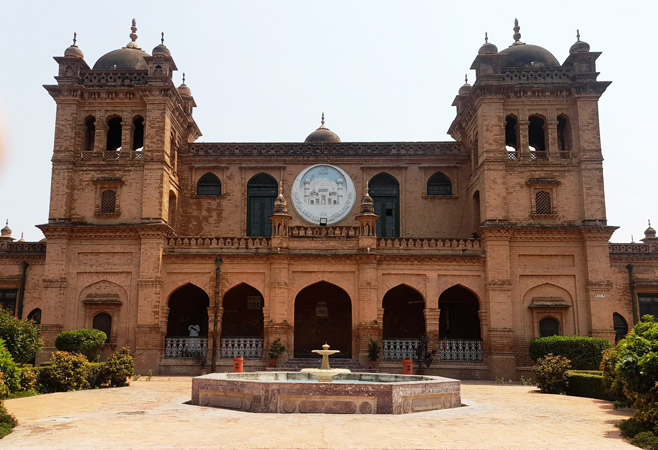
Peshawar University Town
Discovering Peshawar University's Academic Atmosphere
Peshawar University, established in 1950, serves as the educational hub for Khyber Pakhtunkhwa province. The campus itself spans roughly 1,050 acres and serves a student body of more than 20,000 across various departments from across Pakistan and neighboring countries. The areas around the campus, including University Road and nearby commercial zones, have developed into lively student hubs, while the ‘University Town’ neighborhood itself remains primarily a residential district.
Walking through the main campus gates, visitors immediately notice the mix of architectural styles - from British colonial buildings to modern concrete structures. The university's central library, built in 1962, remains a focal point where students gather between classes. During exam periods, the library stays open until midnight, creating a scholarly atmosphere that spills into nearby cafes and study spots.
Key areas within the university town:
- Main Campus - Core academic buildings and central library
- Hostel Area - Student dormitories and budget eateries
- University Road - Primary commercial strip with cafes and shops
- Qissa Khwani Bazaar - Historic market area with traditional bookshops
- Cantonment Area - Upscale cafes and modern bookstores
The student population creates a unique demographic mix, with local Pashtun students alongside peers from Punjab, Sindh, and international students from Afghanistan and Central Asia. This diversity shapes the local cafe and bookshop culture, creating spaces that cater to varied tastes and academic needs.
Essential Local Cafes in the Student Life Circuit
The cafe scene around Peshawar University reflects the economic diversity of its student population. Traditional tea houses serve simple fare at student-friendly prices, while newer establishments offer Wi-Fi, air conditioning, and international coffee varieties for those willing to pay premium rates.
Cafe Khyber on University Road has become legendary among students for its late-night hours and affordable menu. Open until 2 AM during exam seasons, it serves traditional chapli kabab alongside modern items like chicken burgers and pizza. The cafe's walls display photos of notable university alumni, creating an inspirational atmosphere for current students. Prices range from 150-400 PKR for main dishes, with free Wi-Fi and charging stations at every table.
Student Corner near the main gate caters specifically to budget-conscious students with meals starting at 80 PKR. Their lunch special - rice, dal, and vegetable curry - costs just 120 PKR and attracts long queues during peak hours. The owner, himself a university graduate from the 1980s, often provides free meals to struggling students during exam periods.
For those seeking a more upscale experience, The Literary Cafe in Cantonment area offers artisanal coffee, imported teas, and a quiet study environment. Popular with faculty members and graduate students, it features a small library section and hosts weekly poetry readings in Urdu and Pashto. Prices range from 300-800 PKR for beverages and light meals.
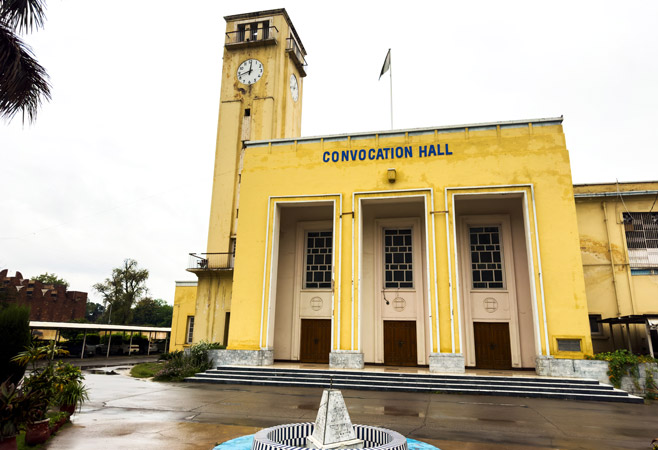
Classic Architecture of Peshawar University Convocation Hall
Popular student hangouts include:
- Chai Spot - Traditional tea house with political discussion groups
- Book & Bean - Combination cafe and bookstore with study areas
- Campus Corner - 24-hour establishment during exam weeks
- Green Tea House - Rooftop seating with mountain views
- Study Hub - Wi-Fi cafe with private study booths
Most cafes offer student discounts of 10-20% with valid university ID cards. During Ramadan, many establishments adjust hours and offer special iftar packages for 200-350 PKR.
Navigating the University Town Bookshop Circuit
The bookshop circuit around Peshawar University encompasses everything from tiny stalls selling photocopied textbooks to established stores with rare academic collections. This ecosystem supports the diverse reading needs of students, faculty, and book enthusiasts from across the city.
Several well-known local bookshops along University Road supply textbooks and reference materials for university students, though none reach the scale of Islamabad’s Saeed Book Bank. Their three-floor layout includes sections for engineering, literature, Islamic studies, and international publications. The store offers 10% student discounts and operates a book buyback program where students can sell used textbooks for 30-50% of original price.
The traditional Qissa Khwani Book Market extends the circuit into Peshawar's historic storyteller's bazaar. Here, small shops specialize in Pashto literature, Islamic texts, and rare manuscripts. Maktaba-e-Danyal has operated in the same location since 1965, building a reputation for authentic historical texts and academic research materials. The elderly owner often provides scholarly guidance to students researching specific topics.
Specialty bookshops worth visiting:
- University Book Depot - Comprehensive textbook collection with rental options
- Poetry Corner - Specializes in Urdu and Pashto poetry collections
- Technical Books - Engineering and science textbooks, both new and used
- Language Learning Center - English, Arabic, and Chinese language materials
- Research Publications - Academic journals and thesis reference materials
Digital integration has reached even traditional bookshops, with many offering WhatsApp ordering services and same-day delivery within the university area. Modern Book House operates both physical and online stores, allowing students to reserve books before visiting.
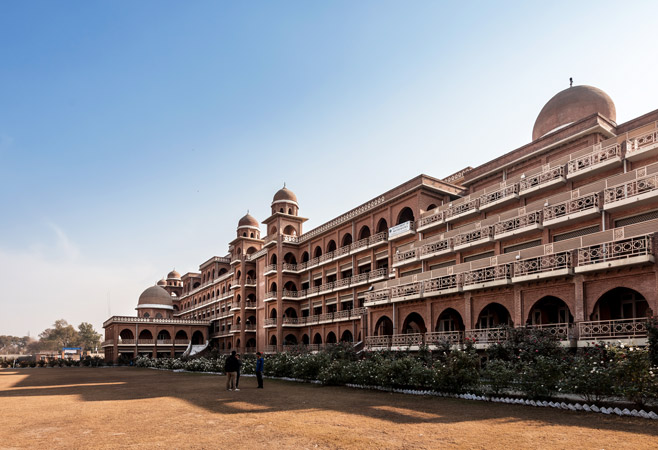
A new building of Peshawar university
Student Life Culture and Daily Rhythms
Understanding the daily rhythms of student life enhances any visitor's experience of the university town circuit. Classes typically run from 8 AM to 4 PM, creating distinct busy periods in cafes and bookshops that savvy travelers can navigate for optimal experiences.
Morning hours (8-10 AM) see students grabbing quick breakfast and coffee before classes. This creates a fast-paced atmosphere in cafes near campus gates, with limited seating but authentic energy. Early Bird Cafe capitalizes on this rush with grab-and-go options like parathas, eggs, and tea served in disposable cups for 50-100 PKR.
Afternoon breaks (12-2 PM) transform the scene as students settle in for longer meal breaks and study sessions. Cafes fill with small groups discussing assignments, sharing notes, and engaging in the passionate political debates that characterize Pakistani student culture. This period offers the best opportunities for visitors to observe authentic student interactions.
Evening hours (5-8 PM) bring a more relaxed atmosphere as day classes end and students unwind before evening study sessions. Many cafes host informal events during this time - poetry readings, music performances, or academic discussions led by faculty members.
Daily student life highlights:
- 7-9 AM - Morning rush for breakfast and coffee
- 12-2 PM - Lunch break socializing and group study
- 3-5 PM - Afternoon tea culture and casual meetings
- 6-9 PM - Dinner and evening social activities
- 9 PM-midnight - Serious study time in 24-hour cafes
Religious observances shape daily rhythms significantly, with five prayer times creating natural breaks in activities. Many cafes provide prayer mats and face Mecca direction indicators, demonstrating the integration of faith and academic life.
Budget-Friendly Exploration Tips
Experiencing the university town circuit doesn't require significant financial investment, especially for travelers willing to embrace student-style economics. Most attractions focus on cultural immersion rather than expensive activities or entrance fees.
Transportation within the university area costs minimal amounts via local rickshaws (20-50 PKR per ride) or shared vans (10-15 PKR). Walking remains the most popular option among students and provides the best opportunities for spontaneous discoveries of hidden bookshops or new cafes.
Budget breakdown for a full day:
- Breakfast - Paratha and tea at student cafe (80-120 PKR)
- Transportation - Multiple rickshaw rides (100-150 PKR)
- Lunch - Traditional meal at popular student spot (150-250 PKR)
- Books - Used textbook or poetry collection (200-500 PKR)
- Afternoon tea - Chai and snacks with locals (100-150 PKR)
- Dinner - Evening meal at recommended restaurant (300-500 PKR)
Total daily budget: 930-1,670 PKR (approximately $3-6 USD)
Free activities include campus walking tours, library visits (with student guide), attending public lectures, and participating in cultural events that frequently occur in the university area. Many bookshops welcome browsers and provide comfortable reading spaces without purchase requirements.
Cultural Etiquette and Local Customs
Peshawar's location near the Afghan border creates a conservative social environment that visitors should respect while exploring the university town circuit. Understanding local customs enhances interactions with students and shop owners while avoiding unintentional offense.
Dress conservatively, especially when visiting traditional areas like Qissa Khwani Bazaar. Long pants and covered arms work well for all genders, with women benefiting from loose-fitting clothing and head covering in more traditional establishments. University areas tend to be more relaxed, but maintaining modest appearance shows respect for local values.
Pashto greetings like "Sta che hal de?" (How are you?) create instant connections with local students, though most speak excellent Urdu and functional English. The traditional Pashtun hospitality extends to café culture, where strangers often invite newcomers to join their tea sessions and discussions.
Cultural considerations:
- Photography etiquette - Ask permission before photographing people
- Gender interactions - Respect conservative social norms in mixed settings
- Religious sensitivity - Understand prayer time schedules and Ramadan observances
- Political discussions - Listen more than speak on sensitive regional topics
- Hospitality customs - Accept offered tea but don't feel obligated to stay long
Tipping practices in student-oriented establishments tend to be minimal (10-20 PKR) or non-existent, as most customers are budget-conscious students. However, showing appreciation for good service through kind words and repeat visits means more to local business owners.
What's the best time to experience authentic student life in Peshawar University town?
Weekday afternoons between 1-4 PM offer the most authentic student life experience, when cafes fill with groups discussing assignments and current events. Avoid Friday afternoons and exam periods when normal social rhythms are disrupted by religious observances or academic stress.
How much should visitors budget for exploring the bookshop circuit?
A thorough bookshop circuit exploration requires 500-2,000 PKR depending on purchasing preferences. Used textbooks cost 200-800 PKR, while rare books or specialty collections can reach 1,500-3,000 PKR. Many shops welcome browsers without purchase expectations.
Are the university town cafes suitable for solo travelers and women?
Most cafes welcome solo travelers, though women may feel more comfortable in upscale establishments or during busy afternoon periods. Traditional tea houses cater primarily to male students, while modern cafes maintain more inclusive atmospheres with mixed-gender seating areas.
Peshawar University town offers travelers an authentic window into Pakistani academic culture, where traditional Pashtun hospitality meets contemporary student energy in a vibrant mix of cafes, bookshops, and cultural exchanges. The circuit provides budget-friendly exploration opportunities while supporting local businesses that form the backbone of student life in one of Pakistan's most historic cities. This unique urban experience combines intellectual stimulation with cultural immersion in ways that few university towns worldwide can match.
Exploring Pakistan's educational and cultural centers like Peshawar University requires proper travel documentation and local knowledge. GVC specializes in facilitating smooth travel experiences for visitors interested in Pakistan's academic and cultural destinations. Their comprehensive services ensure international travelers can focus on discovering authentic experiences rather than worrying about visa complications. For students and cultural tourists planning extended stays, detailed Pakistan travel information provides essential guidance for educational tourism. Whether you need competitive visa service rates or want to track your application status, GVC supports your journey to Pakistan's vibrant university communities and cultural treasures.
Related Articles:
- Cafes In Islamabad: Where To Sip, Chill, And Savor
- Backpacker's Guide To Lahore: Exploring Pakistan's Cultural Capital
- Solo Female Travel Tips: A Guide For Women Exploring The World
- Pakistan Travel Guide: Discover The Gems Of South Asia
- Travel To Islamabad: A Complete Guide For First-Time Visitors
- Pakistan Travel Safety: What You Need To Know Before Visiting
- Trip To Pakistan: Preparing Short Tour In Pakistan For All Travelers
Tags