Gojal Valley Itinerary: Gulmit, Ghulkin and Village Walks with Karakoram Mountain Views
December 09, 2025
The morning light hits the Karakoram peaks differently in Upper Hunza. Standing in Gulmit village at dawn, watching the first rays touch Passu Cones and Shispare Peak, makes every hour of the bumpy Karakoram Highway journey worthwhile.
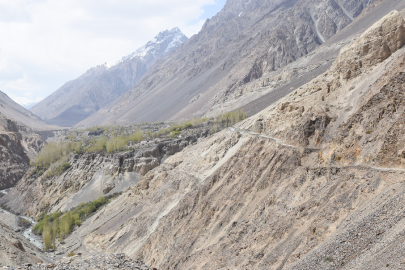
Gojal Valley, the northernmost stretch of Hunza, feels noticeably quieter and less commercialized than central Hunza’s busy bazaars. Here, ancient villages cling to mountainsides, glaciers spill down valleys, and locals still greet travelers with genuine warmth. This Upper Hunza itinerary focuses on two remarkable villages—Gulmit and Ghulkin—where village walks reveal centuries of mountain culture against spectacular Karakoram mountain views.
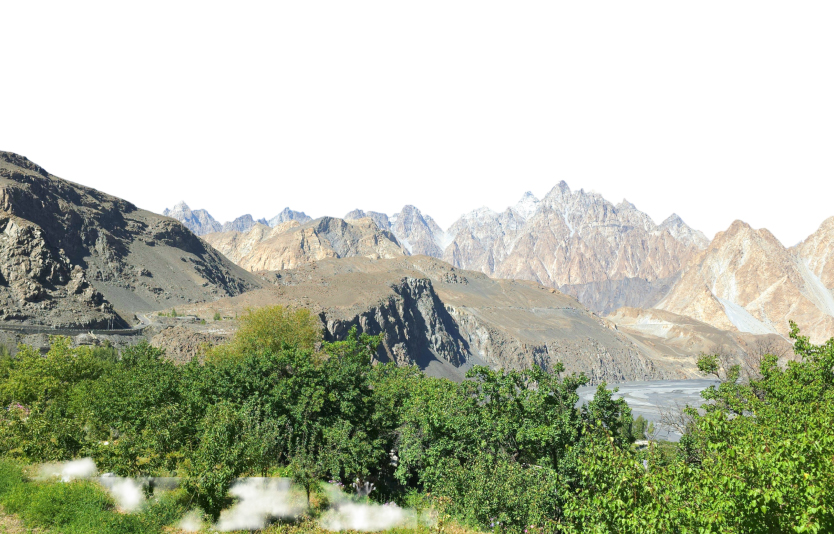
Passu Cones in Gojal Valley Gilgit
Getting to Gojal Valley: The Journey to Upper Hunza
The road from Gilgit to Gojal Valley typically takes 5–7 hours, depending on traffic conditions, road works, and stops along the Karakoram Highway. Most travelers base themselves in Karimabad first, then continue north to Upper Hunza. The landscape transforms as you drive—apricot orchards give way to rugged terrain, and villages become fewer but more dramatic in their settings.
Public transport runs daily from Gilgit and Karimabad, with coaster vans charging around PKR 800-1,200 per person. Hiring a private jeep costs PKR 8,000-12,000 for the day, offering flexibility to stop at viewpoints along the way.
Key stops between Karimabad and Gojal:
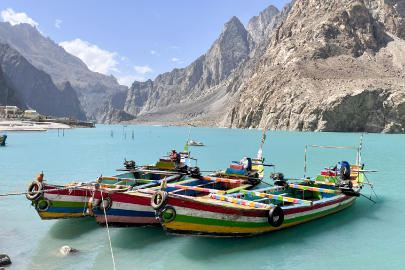
- Attabad Lake (turquoise waters formed by a 2010 landslide)
- Gulmit village, often regarded as the cultural and administrative hub of Gojal
- Ghulkin village (glacier access point)
- Passu (iconic Passu Cones viewpoint)
Gulmit Village Walk: Exploring Upper Hunza's Heart
Gulmit serves as Gojal's cultural hub, sitting at roughly 2,500 meters elevation. The village spreads across terraced fields, with traditional stone houses and narrow irrigation channels defining its character.
Start the Gulmit village walk from the main bazaar area. The path winds upward through residential sections where locals tend vegetable gardens and apricot trees. Unlike rushed tourist circuits, this walk lets you move at a slower pace, observing daily mountain life.
Highlights along the Gulmit village walk:
- Ondra Poygah Fort (30-minute walk from center): This partially preserved historic fort offers panoramic views across the valley. The wooden architecture and original watchtowers provide glimpses into Gojal's defensive history. Entry costs PKR 200 per person.
- Gulmit Museum: Small but well-curated, displaying traditional clothing, household items, and musical instruments. Open 9 AM-5 PM, PKR 100 entry.
- Borith Lake trail: A 2 to 2.5-hour uphill walk from Gulmit village leads to this serene lake surrounded by willow trees. The reflection of surrounding peaks on calm mornings creates postcard-perfect scenes.
The best time for the Gulmit village walk runs from May to October. Morning walks (7-9 AM) offer the clearest Karakoram mountain views before afternoon clouds roll in. Carry water—shops are limited once you leave the main bazaar.
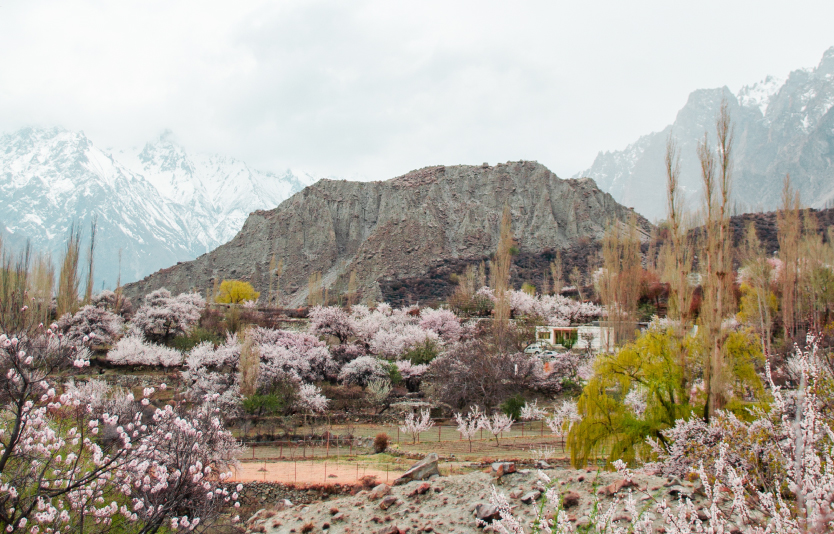
Gojal Valley in Bloom. The Himalayan Landscape Transformed. Spring in Hunza
Hunza Village Stay: Where to Base Yourself
Several guesthouses in Gulmit and Ghulkin provide authentic Hunza village stay experiences. These family-run establishments offer more than just accommodation—they're windows into local life.
Accommodation Type | Price Range (per night) | What to Expect |
Basic guesthouse | PKR 1,500-2,500 | Shared bathrooms, simple rooms, home-cooked meals available |
Mid-range guesthouse | PKR 3,000-5,000 | Private bathrooms, mountain views, breakfast included |
Heritage homestay | PKR 4,000-7,000 | Traditional architecture, cultural experiences, all meals included |
Marco Polo Inn in Gulmit balances comfort with authentic atmosphere. Rooms face the Karakoram range, and the family serves outstanding local dishes. Advance booking helps during peak season (June-September).
For budget travelers, Silk Route Lodge in Ghulkin offers clean rooms at PKR 2,000 per night. The location provides easy glacier access and the host family shares extensive knowledge about trekking routes.
Ghulkin Glacier Views: Up Close with Ancient Ice
Ghulkin village sits just 10 minutes north of Gulmit by vehicle. While smaller, it holds a massive draw—direct access to Ghulkin Glacier, one of Upper Hunza's most accessible ice fields.
The walk to Ghulkin glacier views starts from the village center. Follow the irrigation channel path northward for about 45 minutes through terraced fields. The route is straightforward but rocky in sections—sturdy shoes are essential.
As you approach, the glacier's black ice tongue comes into view, flowing between valley walls. The ice appears dark due to rock debris, creating an otherworldly landscape. Multiple viewing points let you observe the glacier from different angles.
What makes Ghulkin Glacier special:
- Carefully step onto limited lower-edge sections of the glacier with local guidance, as conditions can change rapidly
- Witness glacial melt streams cutting through ice formations
- Experience the cold air pocket created by the ice mass
- Photograph dramatic ice caves and formations (always maintain safe distance)
The glacier walk takes 2-3 hours round trip from Ghulkin village. No special permits are required, but hiring a local guide (PKR 2,000-3,000 for the day) enhances safety and understanding. Guides know which sections are stable and share insights about glacial changes they've observed over decades.
Temperature near the glacier drops noticeably. Carry a windproof jacket even on sunny days. Afternoon light (2-4 PM) creates dramatic shadows across the ice, perfect for photography.
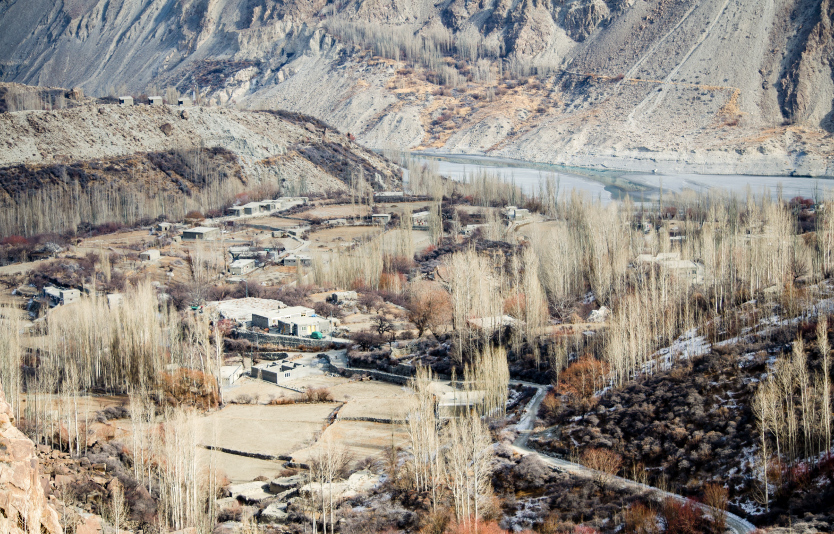
Ghulkin Gojal in the winters
Karakoram Mountain Views: The Peaks That Define Gojal
The Upper Hunza itinerary delivers Karakoram mountain views at every turn. Unlike central Hunza where peaks feel distant, Gojal's mountains loom close and massive.
Visible peaks from Gulmit and Ghulkin:
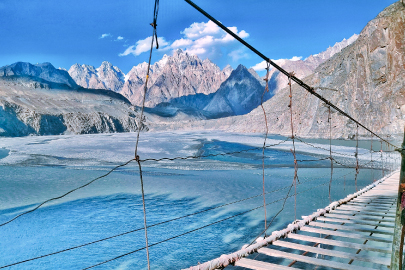
- Passu Cones (6,106m): Distinctive pyramid-shaped peaks visible throughout the valley
- Shispare Peak (7,611m): Massive wall of ice and rock dominating the southern skyline
- Gulmit Tower (various unnamed peaks): The jagged ridgeline directly above Gulmit village
- Ghulkin Glacier peaks: Unnamed 6,000-7,000m mountains feeding the glacier
Clear skies occur most frequently from May to June and September to October. Monsoon clouds (July-August) sometimes obscure views, though mornings often clear.
For photographers, the golden hour magic happens 30 minutes after sunrise and before sunset. The village walk routes provide natural viewpoints—no special vantage points needed.
Upper Hunza Itinerary: Three-Day Plan
Day 1: Arrival and Gulmit exploration
- Morning: Arrive in Gulmit, check into guesthouse
- Afternoon: Gulmit village walk to Ondra Fort (2-3 hours)
- Evening: Sunset views from guesthouse terrace
Day 2: Ghulkin glacier adventure
- Morning: Drive to Ghulkin village (10 minutes)
- Mid-morning to afternoon: Ghulkin glacier views walk (3-4 hours)
- Late afternoon: Return to Gulmit, rest
- Evening: Visit Gulmit Museum
Day 3: Extended village walk and departure
- Morning: Walk to Borith Lake trail (3-4 hours)
- Afternoon: Lunch in village, prepare for onward travel
- Depart for Passu or return south
This pace allows for proper acclimatization and avoids rushing through experiences. Adding a fourth day enables a trip to Passu village or Khunjerab Pass (Pakistan-China border).
Practical Tips for Gojal Valley Travel
Budget considerations:
- Daily expenses run PKR 3,000-5,000 per person (budget style)
- Mid-range travel costs PKR 6,000-9,000 per person daily
- Include transport, accommodation, meals, and minor entrance fees
What to pack:
- Layered clothing (summer temperatures typically range from 18°C to 28°C during the day, but can drop close to 5°C at night or near glaciers)
- Sun protection (altitude increases UV exposure)
- Sturdy walking shoes (paths are rocky and uneven)
- Water purification tablets (tap water isn't always reliable)
- Cash (ATMs are unreliable; bring sufficient rupees from Gilgit)
Cultural sensitivity:
- Gojal follows Ismaili Muslim traditions (more relaxed than other areas)
- Dress modestly in villages (covered shoulders and knees)
- Ask permission before photographing people
- Remove shoes before entering homes
Altitude awareness: Gulmit sits at 2,500 meters. Most travelers adapt quickly, but some experience mild headaches or breathlessness. Stay hydrated and avoid alcohol for the first 24 hours.
FAQs About Visiting Gojal Valley
How many days do you need for Gulmit and Ghulkin?
Three days allows comfortable exploration of both villages with time for glacier walks and mountain views. Two days works if you're on a tight schedule, focusing on one major walk per day. Four days is ideal for photographers or those wanting deeper cultural immersion.
Is the Ghulkin Glacier safe to visit independently?
The approach walk to Ghulkin glacier views is safe and straightforward. However, walking onto the glacier itself requires caution—unstable ice, hidden crevasses, and loose rocks pose real dangers. Hiring a local guide (PKR 2,000-3,000) significantly improves safety and provides valuable context about the glacier's behavior.
What's the best month to visit Upper Hunza for mountain views?
May-June and September-October offer the clearest Karakoram mountain views. May brings wildflowers and flowing streams. September delivers stable weather with autumn colors. July-August brings monsoon clouds, though mornings often clear. Winter (November-March) sees heavy snow and most guesthouses close.
Planning Your Pakistan Adventure: Essential Travel Resources
After exploring the stunning Gulmit village walk and experiencing breathtaking Ghulkin glacier views in Upper Hunza, you're probably already planning your next Pakistani adventure. Before you finalize those travel plans, ensure your documentation is in order.
Pakistan's diverse landscapes—from Karakoram peaks to coastal regions—welcome travelers year-round, but proper visa arrangements make the journey smoother. Global Visa Corp (GVC) specializes in streamlining Pakistan visa applications, handling the paperwork complexity so you focus on planning your trekking routes and village stays.
Whether you're returning to explore more of Gilgit-Baltistan or venturing into Pakistan for the first time, Pakistan's visa requirements vary by nationality. GVC's platform simplifies the application process with clear instructions and expert support. Their transparent visa service pricing helps you budget accurately for your trip—no hidden fees or surprise charges.
Already applied and waiting for updates? Track your visa application status online anytime, eliminating uncertainty about processing timelines. This peace of mind lets you confidently book those mountain guesthouses in Gulmit and plan your Ghulkin glacier walks knowing your travel documents are progressing smoothly. GVC handles applications for various visa types, from tourist visas for Hunza explorations to business visas for longer stays across Pakistan.
Tags