Tree of Life Sunrise Session: Routes, Soft Sand, and Safety
Standing alone in Bahrain's vast desert, the Tree of Life emerges from morning darkness as golden light spreads across the horizon. This 400-year-old mesquite tree offers one of the Middle East's most mystical sunrise experiences, where ancient resilience meets modern adventure. The surrounding soft desert sands and informal walking trails create perfect conditions for photographing this desert wonder at its most dramatic moment
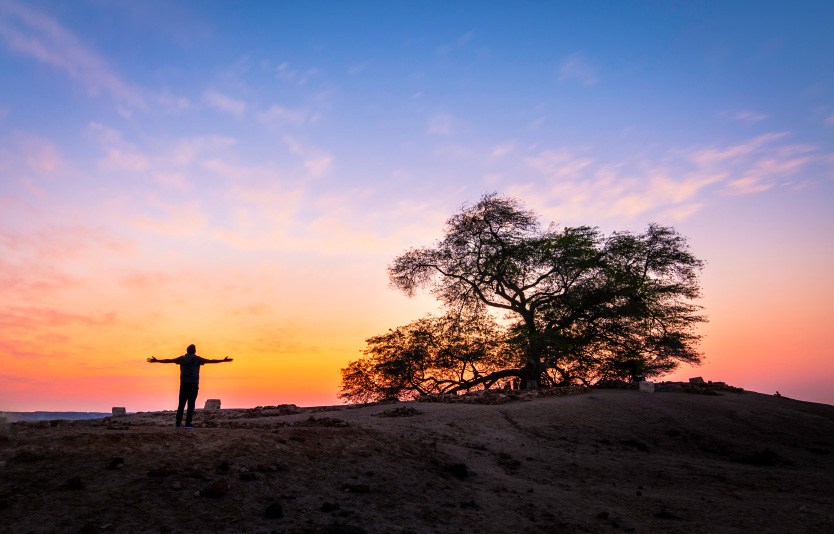
The Tree of Life provide multiple perspectives for sunrise viewing
Finding the Best Walking Routes
Informal sand paths created by visitors provide different perspectives for sunrise viewing and photography. A short gravel path from the parking area leads directly to the fenced perimeter, but additional sand trails offer alternative angles and elevated viewpoints. The area is mostly flat, allowing visitors to walk around the tree for 360-degree viewing angles without elevation changes.
Early morning exploration reveals paths that disappear during busy afternoon hours. The southwestern approach offers the best sunrise positioning, placing the tree between your viewpoint and the rising sun for dramatic silhouette shots. This route requires walking across soft sand beaches of fine desert sand that shifts and moves with wind patterns.
Essential walking route information:
- Main paved path: 200 meters from parking to tree perimeter
- Circular sandy trail: Visitors typically walk freely around the site on unmarked desert ground, as there are no formal trails beyond the short path from the parking area to the tree’s perimeter.
- Southwest sunrise route: Best positioning for golden hour photography
- Northeast viewpoint: Alternative angle avoiding sun glare
The terrain remains relatively flat with gentle undulations, making navigation suitable for most fitness levels. However, the soft sand requires more effort than walking on solid ground, especially during longer photographic sessions.
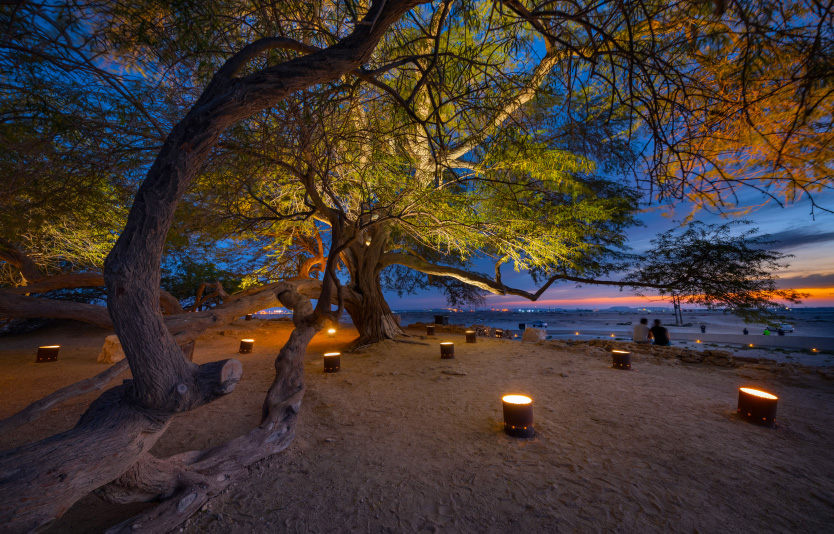
The area surrounding the Tree of Life consists of compact desert sand and gravelly terrain rather than soft beach-like sand
Navigating Soft Sand Beach Conditions
The soft desert sands surrounding the Tree of Life consist of fine grains that shift easily underfoot that creates unique walking challenges and opportunities. Unlike coastal beaches, this inland sand remains dry and shifts easily underfoot, requiring adjusted walking techniques for stability and comfort.
Morning temperatures make sand navigation most comfortable, as the surface hasn't absorbed intense heat from afternoon sun exposure. The sand depth varies from a few centimeters near rocky outcrops to deeper accumulations in wind-sheltered areas. Understanding these patterns helps in route selection and safety planning.
Proper footwear significantly impacts your experience on these sandy surfaces. Closed-toe shoes protect feet from hot sand and occasional thorns, while providing better traction than sandals or bare feet. Many photographers prefer lightweight hiking boots that prevent sand entry while offering ankle support on uneven terrain.
Sand navigation strategies:
- Follow existing tracks: Previous visitors create more compact pathways
- Avoid deep drifts: Stick to areas where underlying rock provides support
- Plan shorter distances: Walking on loose desert surfaces can be slightly more tiring than on paved ground, depending on sand depth
- Carry extra water: Dehydration occurs faster in desert sand conditions
The soft sand does offer advantages for comfortable sitting during extended sunrise sessions, creating natural cushioning for tripod positioning and rest breaks.
Safety Considerations for Desert Exploration
Desert safety at the Tree of Life requires understanding both natural hazards and practical challenges unique to this remote location. Basic medical facilities in Riffa and Isa Town can be reached within 15–20 minutes by car, making prevention and preparation crucial for safe sunrise expeditions.
Dehydration represents the primary risk, especially during warmer months when temperatures rise rapidly after sunrise. The dry desert air accelerates moisture loss, while the excitement of photography often distracts visitors from regular hydration. Plan to consume twice your normal water intake during desert visits.
Wildlife encounters remain minimal but require awareness. Small desert animals including reptiles and insects seek shelter in the tree's shade and surrounding vegetation. These creatures generally avoid human contact but may surprise visitors walking in dim pre-dawn light.
Critical safety measures:
- Emergency communication: Ensure mobile phone batteries are fully charged
- Group travel: Never visit alone, especially for sunrise sessions
- Weather monitoring: Check sandstorm and high wind forecasts
- Vehicle preparation: Park in shade when possible, carry spare tire and tools
The remote location means self-sufficiency is essential. Bring more supplies than you think necessary, including food, water, first aid supplies, and backup lighting equipment.
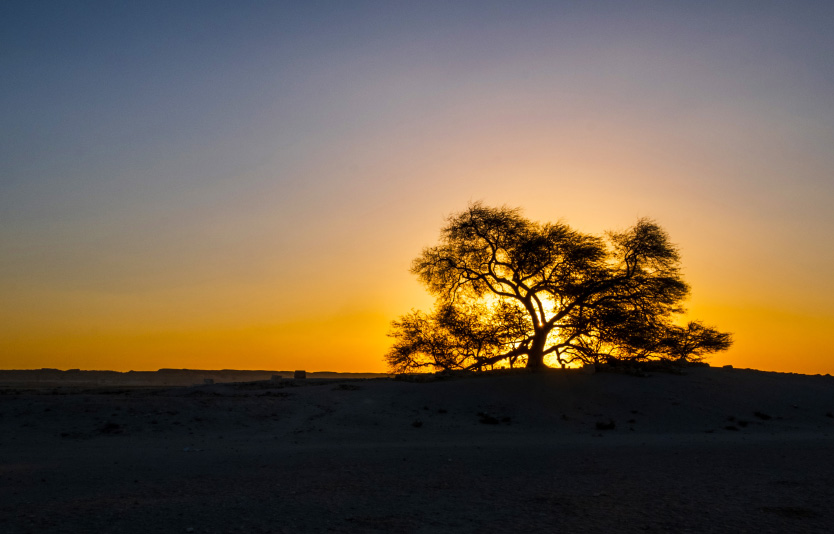
Sunrise at the Tree of Life
Optimal Sunrise Photography Timing
Sunrise at the Tree of Life requires precise timing to capture the dramatic lighting transitions that make this location photographically exceptional. The tree's positioning allows for both silhouette shots against the rising sun and side-lit compositions revealing bark texture and leaf details.
Arrive at least 45 minutes before official sunrise time to establish your position and allow eyes to adjust to low light conditions. The most dramatic lighting occurs 15-20 minutes before and after sunrise when warm light contrasts with cool sky tones.
The desert's clear atmosphere produces rapid lighting changes that create brief windows for specific photographic effects. Golden hour extends longer than in humid coastal areas, but the transition from darkness to bright sunlight happens more quickly due to the unobstructed horizon.
Photography timing guide:
- Arrive: 45 minutes before sunrise for setup and positioning
- Blue hour: 30-15 minutes before sunrise for silhouette preparation
- Golden hour: 15 minutes before to 30 minutes after sunrise for warm light
- Harsh light begins: 60 minutes after sunrise, time to seek shade
Professional photographers often plan multiple visits to capture different seasonal lighting conditions, as sun position changes significantly throughout the year.
Equipment and Preparation Essentials
Successful Tree of Life sunrise photography requires specialized equipment adapted to desert conditions and low-light challenges. The combination of fine sand, morning moisture, and rapid temperature changes demands careful gear protection and selection.
Camera equipment suffers from sand infiltration and condensation as temperatures shift from cool pre-dawn conditions to warm morning sun. Protective measures include sealed camera bags, UV filters on all lenses, and microfiber cloths for frequent cleaning during shooting sessions.
Tripod stability becomes challenging in soft sand, requiring techniques for secure positioning on unstable surfaces. Many photographers bring small sandbags or use backpacks as tripod weights to prevent movement during long exposure shots.
Essential equipment checklist:
- Weather-sealed camera: Protection against sand and moisture
- Sturdy tripod: Capable of stability in soft sand conditions
- Extra batteries: Humidity levels in Bahrain are relatively high, and temperatures before sunrise are mild rather than cold, so condensation occurs less frequently than in colder deserts
- LED headlamp: Hands-free lighting for pre-dawn setup
Personal comfort items including folding chairs, blankets, and insulated beverage containers enhance the experience during extended sunrise sessions while maintaining focus on photographic goals.
Transportation and Access Planning
Reaching the Tree of Life for sunrise requires careful transportation planning due to the remote desert location and limited road signage. The journey from Manama takes approximately 40 minutes via Shaikh Khalifa Bin Salman Highway, but navigation challenges increase in pre-dawn darkness.
GPS coordinates prove more reliable than road signs, which are minimal in the desert area. Download offline maps before departure as mobile signal strength varies throughout the journey. The final approach involves a short unpaved road that may become difficult during rare rainy periods.
Parking facilities consist of a basic gravel area adjacent to the site. Arrive early during popular photography seasons to secure convenient parking spots close to walking route entrances. Weekend mornings and Islamic holidays attract more local visitors.
Route Option | Distance | Difficulty | Best For |
Highway Route | 35 km | Easy | All vehicles, GPS recommended |
Desert Track | 30 km | Challenging | 4WD only, local guide suggested |
Vehicle preparation should include spare tire inspection, extra fuel, and emergency supplies in case of mechanical problems in the remote desert location.
Cultural and Environmental Respect
The Tree of Life holds special significance in Bahraini culture as a symbol of resilience and hope in harsh conditions. Respectful behavior preserves this natural wonder for future generations while honoring local customs and environmental protection efforts.
Photography should avoid damaging the protective fencing or disturbing the tree's immediate environment. The installation of barriers reflects genuine concern for the tree's preservation rather than restriction of access. Maintaining appropriate distances protects both the tree's root system and visitor safety.
While the Tree of Life is culturally significant to Bahrainis as a national symbol, visitors commonly enjoy the area for sightseeing, photography, and casual visits without specific rules on quiet behavior.
What time should I arrive for Tree of Life sunrise photography?
Arrive 45-60 minutes before official sunrise time to allow for positioning, equipment setup, and eye adjustment to low light conditions. This timing provides opportunities for blue hour shots and ensures you're ready when golden hour lighting begins. Check sunrise times seasonally as they vary significantly throughout the year.
Is it safe to visit the Tree of Life alone for sunrise?
It's not recommended to visit alone, especially for sunrise sessions in darkness. The remote desert location means help is far away if problems occur. Travel with at least one companion, inform others of your plans, and ensure reliable vehicle transportation. Mobile phone coverage can be spotty in some areas.
What should I wear for a Tree of Life sunrise visit?
Dress in layers as desert temperatures can be surprisingly cool before sunrise, then warm rapidly. Wear closed-toe shoes to protect feet from sand and potential thorns. Bring a hat and sunglasses for after sunrise, plus extra clothing in case of unexpected weather changes.
The Tree of Life sunrise experience combines natural wonder, cultural significance, and photographic opportunity in one of the Middle East's most unique desert locations. Proper planning for soft sand beaches, established walking routes, and safety considerations ensures memorable visits to this extraordinary 400-year-old survivor.
Explore Bahrain's Desert Wonder with GVC
Discovering the Tree of Life and exploring Bahrain's extraordinary desert landscapes requires proper travel documentation to ensure seamless access to this remarkable natural wonder. The iconic tree, with its mystical sunrise sessions across soft sand beaches and established walking routes, represents one of the world's most unique desert experiences that international travelers journey far to witness.
GVC provides expert visa services that streamline your Bahraini travel requirements, allowing you to focus on capturing the perfect sunrise photograph and exploring the mysterious desert pathways surrounding this 400-year-old wonder. Whether planning an extended photography expedition throughout Bahrain's diverse landscapes or combining desert adventures with cultural attractions across the kingdom, professional visa assistance ensures all documentation requirements are handled efficiently and correctly for extended stays.
Understanding Bahrain's visa regulations becomes straightforward with GVC's comprehensive guidance and transparent service pricing, providing confidence throughout your application process. The convenience of secure online payment processing simplifies your entire visa experience, ensuring peace of mind as your desert adventure approaches. With pristine sunrise opportunities, ancient natural wonders, and unique desert environments waiting to be explored throughout Bahrain, expert visa services let you concentrate on planning your perfect photography expedition while professionals handle your travel documentation seamlessly.
Related Articles:
- Bahrain Sightseeing Places Top Destinations That You Should Visit
- Best Places To Visit In Bahrain For First Time Travelers
- Bahrain Tourist Attractions The Ultimate Guide To Exploring The Pearl Of The Gulf
- 10 Things To Do In Bahrain For First Time Comers
- Top Things To Do In Bahrain Travel Guide
- Bahrain Travel Guide Everything You Need To Know Before You Go
- Visit Bahrain A Gem Of The Arabian Gulf
Tags