Amwaj Islands Day Trip: Lagoon Walks, Canals, Sunset Bridges and Cafes in Bahrain
Tucked away in Bahrain's northeast corner lies a cluster of man-made islands that feel worlds apart from the bustling capital. Amwaj Islands offers a refreshing escape where Mediterranean-style architecture meets Arabian Gulf waters, creating one of the kingdom's most photogenic destinations. The lagoon walk stretches along calm blue-green canals that reflect the surrounding buildings and boats, pedestrian bridges arch over waterways at sunset, and waterfront cafes serve everything from Turkish coffee to fresh-caught seafood.
This modern development proves that thoughtful urban planning can create spaces where residents and visitors naturally mingle. Unlike traditional resort enclaves that feel cordoned off from real life, Amwaj pulses with genuine community energy while maintaining its vacation-worthy charm.
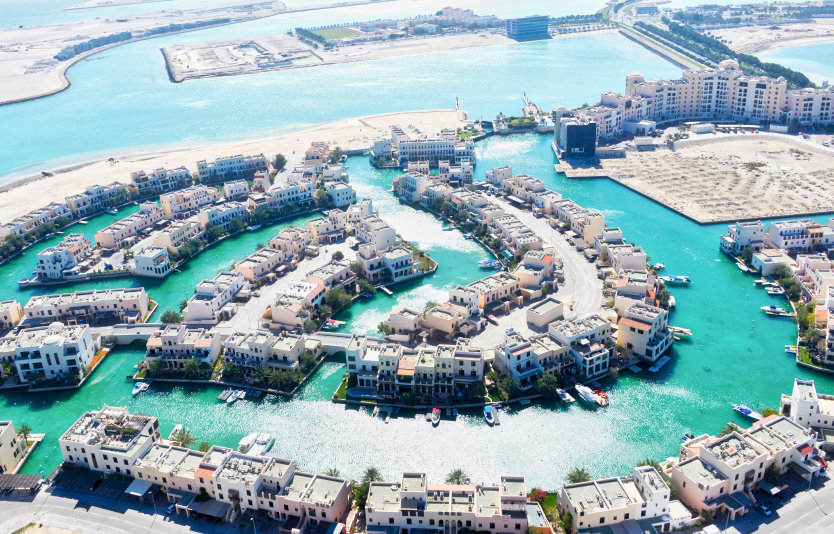
An Ariel view of the Floating City in Bahrain's luxury Amwaj Islands
Getting to Amwaj Islands: Access and Transportation
The journey to Amwaj Islands takes about 20 minutes from central Manama via the Sheikh Khalifa bin Salman Highway. Follow signs toward Muharraq, then watch for the distinctive Amwaj Islands exit. Parking around the main marina and promenade areas costs nothing, though spaces fill quickly on weekend evenings.
Taxis from the capital typically charge 3-4 BD ($8-11 USD) for the trip. Ride-hailing apps work smoothly here, with drivers familiar with the popular drop-off points near The Lagoon complex and Tala Island. Car rental makes sense for travelers planning multiple stops across Bahrain, with rates starting around 8 BD ($21 USD) per day.
Amwaj Islands are primarily accessed via a main causeway from Muharraq, with internal roads connecting the different island sections. Once across, signage guides visitors toward the main attractions clustered around the central canal system.
The Amwaj Lagoon Walk: A Waterfront Promenade Experience
The Amwaj lagoon walk forms the heart of the island experience. The main paved promenade around the central marina covers roughly 1.5 kilometers, with additional walkways extending into nearby residential sections. Morning joggers claim the path before 8 AM, while evening strollers take over after sunset when temperatures drop and lights begin twinkling across the water.
Wide enough for side-by-side walking, the promenade accommodates families with strollers, couples holding hands, and solo wanderers stopping to photograph the distinctive bridge architecture. Benches appear every 50 meters or so, perfect for resting while watching boats glide past or children feeding the small fish that gather near the walkway edges.
Key features along the lagoon walk include:
- Multiple viewing platforms extending over the water for better photography angles
- Shaded sections with pergolas offering relief during afternoon walks
- Occasional fitness-friendly open spaces and decorative elements appear along parts of the promenade, especially near cafes and public areas
- Pet-friendly zones where leashed dogs can enjoy the waterfront atmosphere
The southern section passes residential towers where balconies overlook the canal, creating an interesting contrast between private and public waterfront spaces. Notice how architects designed the buildings with varied heights and colors, preventing the monotonous wall effect common in many developments.
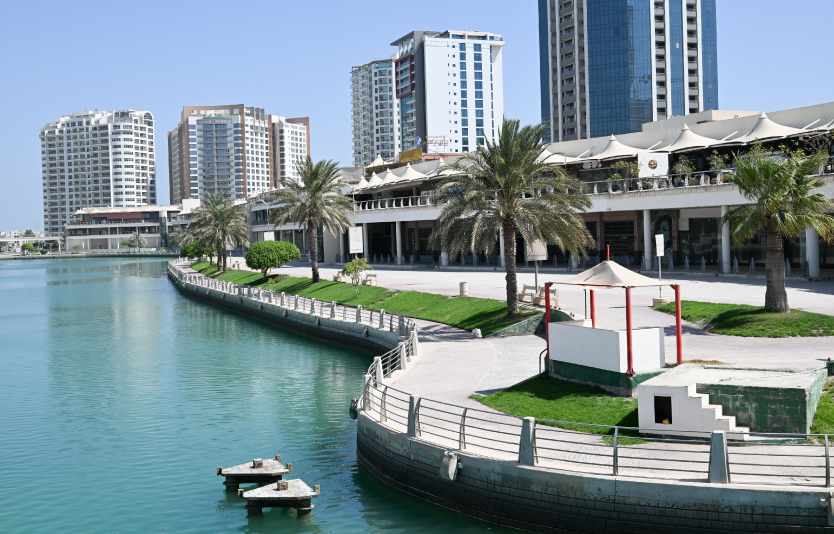
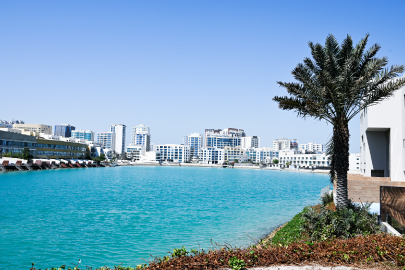
Bahrain, Amwaj Islands - aerial view over the buildings
Bahrain Canal Views: Bridge Architecture and Water Landscapes
Bahrain canal views reach their peak from the series of pedestrian bridges connecting different island sections. These structures serve practical purposes while doubling as observation decks. The main bridge near The Lagoon shopping complex rises high enough to allow small boats underneath while providing 360-degree views of the surrounding waterways.
Each bridge offers distinct perspectives:
The northern bridge frames the open Gulf waters in the distance, with residential towers forming dramatic backdrops during golden hour. Wind picks up here compared to more sheltered spots, bringing the scent of salt water and occasional spray on breezy days.
The central crossing provides the classic Amwaj postcard view—canals stretching in multiple directions, boats moored at private docks, and the occasional kayaker paddling past. Time this viewpoint for late afternoon when the sun angles across the water, creating that liquid gold effect photographers chase.
The southern pedestrian bridge overlooks a quieter residential canal where local families keep smaller vessels. This spot sees fewer tourists but offers authentic glimpses of island life, with residents spending time near the water, tending boats or occasionally fishing along the canal edges.
Amwaj Sunset Bridge: Best Times and Photography Tips
The Amwaj sunset bridge has earned its reputation as the islands' most Instagram-worthy location. Positioned on the western edge of the main marina, this crossing catches the full drama of the sun sinking toward Saudi Arabia's distant coastline.
Timing matters significantly. Arrive 30 minutes before the official sunset time (check weather apps for exact timing, which varies by season). This buffer allows for securing a good position and capturing the progressive color changes as daylight fades.
The bridge fills with photographers, couples, and families during peak sunset hours, roughly 5:00-6:30 PM in winter and 6:00-7:30 PM during summer months. Mid-week visits offer more elbow room than Friday and Saturday evenings when crowds triple.
Photography considerations:
- Shoot toward the west to capture the sun's descent
- Turn east for silhouetted tower reflections in the darkening water
- Use the bridge's architectural lines as natural leading elements
- Capture both wide landscape shots and tighter detail compositions
- Wait 10 minutes past sunset for the "blue hour" when sky colors deepen
The metal railings warm to the touch during afternoon sun exposure, so watch where hands and cameras rest. Winds pick up as temperatures drop after sunset, making a light jacket advisable between November and March.
Bahrain Resort Islands: Amwaj's Unique Character
While Bahrain features several manufactured islands, Amwaj stands apart among Bahrain resort islands for its balanced approach to development. Unlike purely hotel-focused destinations, this mixed-use community blends residential apartments, retail spaces, dining venues, and leisure facilities into a cohesive neighborhood.
The architectural style borrows heavily from Mediterranean coastal towns, with pastel-colored buildings, arched windows, and waterfront terraces. Palm trees line the streets, and landscaping maintains year-round greenery despite the desert climate. This careful attention to aesthetics creates an environment that feels designed for living, not just visiting.
Key differences from traditional resort islands:
Feature | Amwaj Islands | Typical Resort Islands |
Residential Mix | 60% residential, 40% commercial | Primarily hotels and tourist facilities |
Public Access | Open to all visitors without fees | Often gated or restricted |
Dining Options | Local cafes alongside international chains | Resort restaurants with premium pricing |
Families particularly appreciate the playgrounds, cycling paths, and safe swimming beaches that make Amwaj function as a genuine neighborhood rather than a temporary escape.
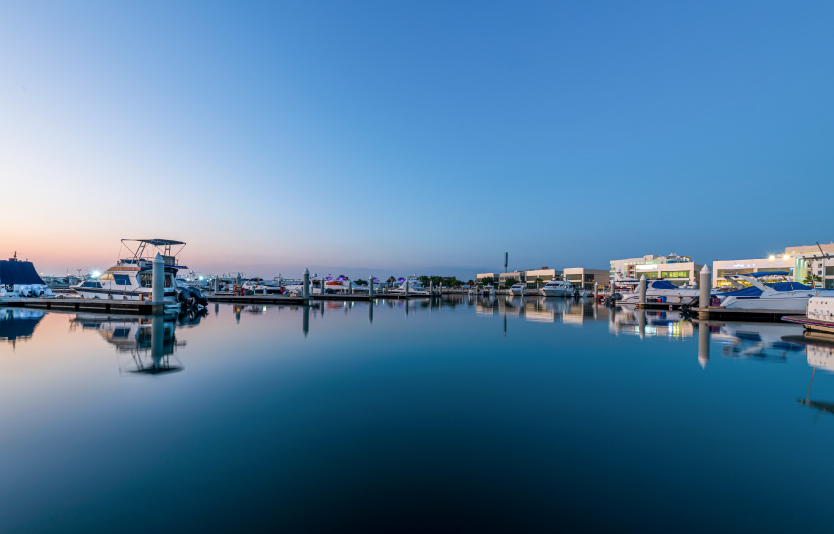
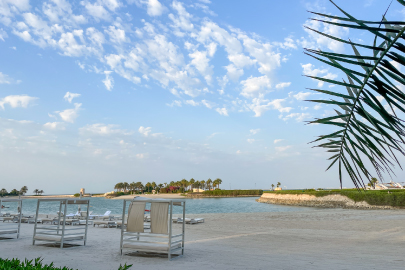
Beautiful sunset view of at Amwaj Marina
Amwaj Cafe Promenade: Where to Eat and Drink
The Amwaj cafe promenade stretches along the northern waterfront, where restaurants and coffee shops compete for the best views. This dining district comes alive during evening hours when temperatures cool and diners claim outdoor tables overlooking the marina.
Budget-conscious visitors find solid options between 2-4 BD ($5-11 USD) for meals at casual eateries serving shawarma, fresh juices, and grilled fish. Mid-range restaurants charge 8-12 BD ($21-32 USD) per person for sit-down meals with appetizers and mains. Upscale venues command 20+ BD ($53+ USD) for multi-course experiences.
Standout cafe experiences include:
Traditional Arabic coffee houses where thick Turkish coffee and sweet dates create the perfect afternoon break. These spots typically occupy smaller spaces between larger restaurants but offer authentic local flavor. Prices hover around 1-2 BD ($3-5 USD) for coffee and snacks.
Waterfront seafood restaurants specializing in Gulf catches like hamour (grouper) and safi (rabbitfish). Watch fishing boats unload their catch at the nearby marina, then taste that freshness on the plate hours later. Grilled whole fish runs 6-8 BD ($16-21 USD).
International chains providing familiar comfort for travelers seeking recognizable names. These occupy the prime corner positions with maximum water views and typically include Starbucks, Costa Coffee, and various fast-casual concepts.
Sunset cocktail bars operating in more upscale hotels and restaurants. Bahrain's relatively relaxed alcohol laws compared to neighboring Gulf states mean visitors can enjoy evening drinks with their marina views. Expect 5-8 BD ($13-21 USD) per cocktail.
Most establishments keep kitchens open until 11 PM or midnight, with some cafes serving customers until 1 AM on weekends. Reservations help during peak dinner hours (7-9 PM) at popular spots, though walk-ins usually find space at cafes and casual venues.
Best Times to Visit Amwaj Islands
Weather dictates much of the Amwaj experience. November through March brings ideal conditions with daytime temperatures between 20-25°C (68-77°F) and cool evenings perfect for extended outdoor time. These months attract the largest crowds but for good reason—humidity drops, skies clear, and walking the lagoon path becomes genuinely pleasant rather than an endurance test.
April and October serve as shoulder seasons with slightly warmer temperatures but fewer visitors. Prices at hotels and some restaurants dip during these transition months, offering value-conscious travelers solid deals.
May through September tests heat tolerance, with temperatures regularly exceeding 40°C (104°F) and humidity making outdoor activities uncomfortable. Serious visitors restrict their Amwaj time to early mornings (before 9 AM) or evenings (after 6 PM) during these months. The upside? Nearly empty promenades and dramatic thunderstorm shows when occasional summer rains arrive.
Weekend versus weekday timing also matters. Thursday and Friday evenings (Bahrain's weekend) bring local families and regional visitors in large numbers, creating vibrant but crowded conditions. Tuesday and Wednesday afternoons offer the quietest experience for those seeking contemplative lagoon walks and uncrowded bridge views.
Practical Tips for Your Amwaj Day Trip
Dress codes remain relatively relaxed in Amwaj compared to more conservative areas. Swimwear stays confined to pool and beach areas, while casual street clothes work fine for the promenade. Women commonly wear everything from traditional abayas to sundresses and shorts. Men typically sport casual button-ups or t-shirts with long pants or knee-length shorts.
Sun protection becomes critical during daylight visits. The promenade offers limited shade between rest shelters, and reflection off the water intensifies UV exposure. Sunscreen, hats, and sunglasses qualify as essential gear. Reapply protection every two hours when spending extended time outdoors.
Walking shoes matter more than style during Amwaj exploration. The smooth pavement handles any footwear, but covering the entire lagoon circuit means 30-40 minutes of continuous walking. Save the uncomfortable sandals for sitting at cafes.
Cash and cards both work throughout Amwaj, with most establishments accepting major credit cards. However, smaller cafes and food stalls sometimes operate cash-only, so carrying 10-20 BD ($26-53 USD) in local currency prevents awkward situations. ATMs cluster around The Lagoon shopping complex.
Swimming spots exist but require knowing where to look. Tala Island's beach offers the best designated swimming area with lifeguards during peak hours. While some residential waterfront areas appear accessible, visitors should respect private property boundaries. Tala Island remains the most clearly designated public swimming option.
FAQ
How long should visitors plan to spend at Amwaj Islands?
A comprehensive visit takes 3-4 hours, allowing time for the full lagoon walk, bridge photography, and a meal at a waterfront cafe. Travelers combining Amwaj with other Bahrain destinations often allocate 2 hours for a condensed experience focusing on the main promenade and sunset bridge.
Can visitors swim in the canals around Amwaj Islands?
Swimming in the canals is technically possible but not recommended due to boat traffic and unclear water quality. The designated beach areas on Tala Island provide safer, supervised swimming with cleaner water and proper facilities.
Are there entrance fees for Amwaj Islands?
No entrance fees exist for Amwaj Islands. All public areas including the lagoon walk, bridges, and promenades remain free to access. Visitors only pay for parking in certain private lots, meals, and any commercial activities they choose.
Planning Your Bahrain Visit: Visa Services for Seamless Travel
Exploring the Amwaj lagoon walk and soaking in stunning Bahrain canal views becomes even easier when travelers secure their entry documentation in advance. International visitors to Bahrain benefit from streamlined e-visa services that eliminate airport queues and uncertainty. GVC specializes in processing Bahrain tourist visas for travelers from eligible countries, handling the paperwork while you focus on planning your waterfront adventures.
The application process takes just minutes online, with many applications approved within 24–72 hours, depending on nationality and application completeness. Standard single-entry visas allow stays up to 14 days—perfect for thoroughly exploring Amwaj alongside Bahrain's other attractions like Bahrain Fort, the Grand Mosque, and Manama's traditional souqs. Multiple-entry options suit travelers using Bahrain as a base for regional exploration.
Transparent pricing at GVC removes guesswork from travel budgeting, with clear fees for processing and government charges displayed upfront. No hidden costs or surprise additions at checkout. Travelers can easily check their visa status online using the reference number provided during application, offering peace of mind during trip preparation.
Processing a visa before departure means stepping off the plane and heading straight toward your first Amwaj sunset rather than joining document verification lines. That extra hour saved at the airport translates to additional time photographing the lagoon's golden hour glow or settling into a waterfront cafe with fresh seafood and Gulf views stretching toward the horizon.
Related Articles:
- Hawar Islands Day Trip: Boat Access, Birds, And Secluded Bays
- Bahrain Travel: All You Need To Know Before You Visit
- Bahrain Travel Guide: Everything You Need To Know Before You Go
- Bahrain Tourist Attractions: The Ultimate Guide To Exploring The Pearl Of The Gulf
- Bahrain Sightseeing Places: Top Destinations That You Should Visit
- Top Things To Do In Bahrain: Your Ultimate Travel Guide
- Bahrain In The Middle East: Is Bahrain Worth Visiting?
Tags