Pottery Villages Around A'ali: Kilns, Glazes, and Buying Tips
The smell of clay and wood smoke hits you before you even see the workshops. Drive through the narrow streets of A'ali in Bahrain, and you'll notice something remarkable: pottery is everywhere. Stacked along walls, piled near doorways, and displayed in open-air workshops, these terracotta treasures tell the story of a 4,000-year-old craft that's still alive today.
A'ali pottery isn't just another souvenir stop. This village, located in the heart of Bahrain's pottery district, has been shaping clay since the Dilmun civilization. Walk through these pottery villages, and you're stepping into workshops where techniques passed down through generations meet the hands of modern craftsmen. The traditional kilns still burn, the ceramic glazes still shine, and the potters still work their magic—if you know where to look and what to ask.
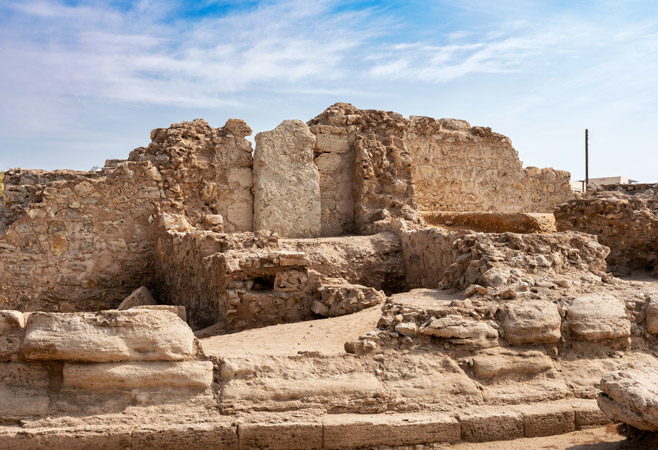
A'ali in Bahrain
Discovering the Traditional Pottery Villages of A'ali
A'ali sits about 15 minutes southwest of Manama, near the ancient burial mounds that dot Bahrain's landscape. The pottery villages here aren't spread across one central marketplace. Instead, workshops cluster along residential streets, each family-run business marked by its distinctive style.
The main pottery district stretches along the A'ali Road. Most workshops follow informal schedules, with artisans typically working in the mornings and late afternoons. Hours vary by family workshop, so it’s best to come during daylight hours, especially Sunday to Thursday. Saturday schedules vary by workshop.
What makes these pottery villages special is their authenticity. Unlike tourist-focused craft markets, A'ali workshops produce pottery for daily use across Bahrain and the Gulf region. You'll see large water jars (locally called "kharaz"), incense burners, plant pots, and decorative pieces—all made using methods that predate modern ceramics.
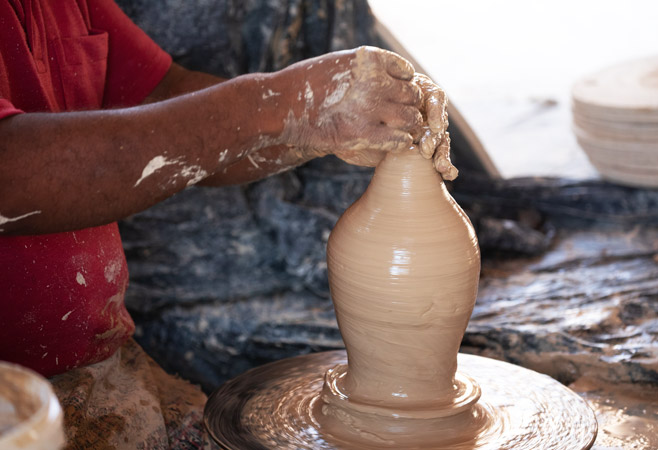
The village atmosphere feels relaxed. Potters work in open-air spaces where visitors can watch the entire process. Children play nearby while fathers and grandfathers shape clay on spinning wheels. Cats nap in shady corners between stacks of unfired pots. This isn't a staged experience; it's real life in a working pottery village.
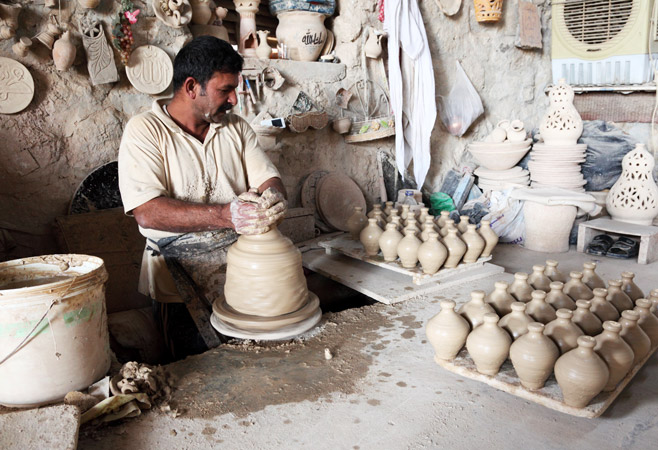
Potter in a pottery workshop in the village A'ali, Bahrain
Inside the Traditional Kilns: Where Fire Transforms Clay
The traditional kilns at A'ali are architectural marvels. These beehive-shaped structures, built from brick and clay, reach temperatures of 900-1000°C. Unlike electric kilns, these traditional kilns create unique color variations through the unpredictable interaction of fire, smoke, and clay.
Watch a firing session if timing allows. Potters stack pieces inside the kiln with careful precision, leaving space for heat circulation. They build the fire using locally available wood and traditional fuel materials. The firing process takes 8-12 hours, followed by a slow cooling period of 24-48 hours.
The kiln's dome shape serves a purpose. Hot air rises naturally, creating even heat distribution. Small vents at the top control oxygen flow, which affects the final color of the pottery. More oxygen produces lighter, reddish tones. Less oxygen creates darker, earthier hues.
Some workshops now use gas-fired kilns for efficiency, but many potters maintain at least one traditional kiln. They'll tell you the difference is noticeable: traditional firing creates subtle variations that make each piece unique.
Traditional A'ali pottery
Understanding Ceramic Glazes and Surface Treatments
Most traditional A'ali pottery features a natural, unglazed finish. The terracotta clay develops its characteristic warm, reddish-brown color through firing. This porous surface is perfect for water jars—evaporation through the clay naturally cools the water inside.
When potters do use glazes, they typically apply them to decorative pieces. The glazes come in earth tones: deep greens, rich browns, amber yellows, and turquoise blues. These colors come from mineral oxides mixed with ground glass and water.
The application process is straightforward but requires skill. Potters dip pieces into liquid glaze or paint it on with brushes. The glaze looks dull and chalky before firing. Only the kiln's heat transforms it into a glossy, waterproof surface.
Some modern A'ali workshops experiment with contemporary glaze techniques, creating pieces that blend traditional forms with modern aesthetics. These might feature:
- Partial glazing that highlights specific design elements
- Contrasting matte and glossy finishes on the same piece
- Multiple glaze layers creating depth and texture
- Carved patterns filled with colored glazes
Ask potters about their glaze recipes. Many families guard specific formulations as trade secrets, but most artisans enjoy explaining the basic process and showing raw materials.
Essential Buying Tips for A'ali Pottery
Shopping for pottery at A'ali requires different strategies than buying at a typical tourist market. These tips will help you navigate the experience and bring home quality pieces.
Know Your Prices Small incense burners start around 2-3 BHD. Medium decorative bowls range from 5-15 BHD. Large water jars can cost 20-50 BHD depending on size and detail. Intricately carved or glazed pieces command premium prices of 30-100 BHD.
Inspect Before Buying Check each piece carefully:
- Run your hands along the surface feeling for cracks
- Tap gently—a clear ring indicates solid construction
- Look at the base where thickness matters most
- Check glazed pieces for even coverage without bare spots
Understand Haggling Etiquette Bargaining happens, but within reason. Workshop owners set fair prices based on material costs and time invested. Asking for 10-15% off is acceptable, especially for multiple pieces. Demanding deep discounts disrespects the craftwork.
Consider Shipping Options Carrying large pottery pieces as luggage poses challenges. Many workshops can arrange shipping to your home country. Expect to pay 20-40 BHD for international shipping of medium-sized items. Get quotes from multiple workshops to compare rates.
Ask About Custom Orders Several potters accept custom commissions. Want a specific size water jar or a particular design? Discuss your vision with the artisan. Custom pieces typically require 2-3 weeks for completion and a 50% deposit upfront.
Best Workshops to Visit in the Pottery District
While exploring all workshops makes for a rewarding afternoon, these establishments stand out for different reasons.
A'ali Pottery Workshop This family-run business operates near the village center. Three generations work together here, from grandfather demonstrating wheel-throwing to grandchildren preparing clay. They welcome visitors warmly and often offer tea. The workshop maintains one of the few functioning traditional kilns still in regular use.
Mohammed Pottery Known for larger pieces, this workshop specializes in garden jars and architectural pottery. Their courtyard displays impressive water jars that stand nearly a meter tall. Prices run higher, but the craftsmanship justifies the cost.
Modern Craft Center Despite the name, this center balances traditional techniques with contemporary designs. Look here for decorative pieces that fit modern interiors while maintaining authentic A'ali character. They also stock smaller items perfect for gifts.
Practical Information for Your Visit
Aspect | Details | Tips |
Best Time | November-March (cooler weather) | Visit mornings before 11 AM to see potters at work |
Getting There | Taxi from Manama (5-7 BHD), or rental car | No public transport directly to workshops |
What to Bring | Cash (BHD), reusable shopping bag, camera | Most workshops don't accept cards |
The pottery villages of A'ali don't require extensive time. Plan 2-3 hours to browse workshops, watch demonstrations, and make purchases. Combine your visit with nearby attractions like the Bahrain Fort or the burial mounds for a full day of cultural exploration.
Dress modestly and comfortably. While workshops are casual spaces, respectful attire is appreciated. Closed-toe shoes help navigate areas where clay dust and pottery fragments scatter the ground.
Photography is generally welcome, but ask permission before photographing people, especially in smaller family workshops. Most potters are happy to pose or demonstrate their craft for photos.
Why A'ali Pottery Matters Beyond Shopping
Supporting A'ali pottery villages preserves cultural heritage under pressure from modern manufacturing. Each purchase directly supports families maintaining traditions recognized nationally as an important part of Bahrain’s cultural heritage.
Young Bahrainis face a choice between traditional pottery and more lucrative careers. When customers value handmade pottery enough to pay fair prices, it strengthens the case for the next generation to continue the craft.
The pottery itself connects you to ancient Dilmun civilization. Archaeological sites across Bahrain have unearthed pottery shards nearly identical to pieces made today in A'ali. That continuity is rare in our rapidly changing world.
Take time to talk with the potters. Their stories reveal the challenges of maintaining traditional crafts, the satisfaction of creating with their hands, and their hopes for pottery's future in Bahrain. These conversations often prove more memorable than the pottery itself.
Final Thoughts: Taking Home More Than Pottery
Walking away from A'ali with a carefully chosen piece of pottery means carrying home a tangible connection to Bahraini culture. That water jar will hold flowers in your home, but it also holds stories—of clay dug from local earth, of hands shaping it on a spinning wheel, of fire transforming it in a traditional kiln.
The pottery villages around A'ali offer something increasingly rare: authentic cultural experiences not sanitized for tourism. The clay dust is real, the heat from the kilns is intense, and the craftsmanship is genuine. This authenticity makes the experience valuable.
Visit during your time in Bahrain. Support the workshops by buying pieces you genuinely love. Ask questions, watch demonstrations, and take time to appreciate skills refined over thousands of years. The pottery villages of A'ali deserve more than a quick photo stop—they deserve your attention, respect, and patronage.
What's the best day to visit A'ali pottery workshops?
Sunday through Thursday mornings offer the best experience. Potters actively work during these times, and you can watch the entire creation process. Avoid Fridays when many workshops close for the weekend. Saturday operations vary by workshop, so call ahead if planning a Saturday visit.
Can I watch pottery being made at A'ali?
Absolutely. Most workshops welcome visitors to observe the pottery-making process. Potters typically work in open spaces where you can see wheel-throwing, shaping, carving, and glazing. If you want to see kiln firing, ask workshop owners about their firing schedule—most fire every 1-2 weeks.
How much should I budget for pottery shopping at A'ali?
Budget at least 20-50 BHD for a meaningful shopping experience. Small decorative pieces start around 3-5 BHD, while substantial water jars or carved pieces range from 20-100 BHD. Bringing extra cash allows flexibility if you find exceptional pieces worth the investment.
Planning Your Bahrain Journey: Essential Visa Information
Exploring A'ali pottery villages and Bahrain's rich cultural heritage requires proper travel documentation. Before you pack your bags to discover these traditional kilns and ceramic treasures, ensure your visa arrangements are sorted. Global Visa Corp (GVC) simplifies the Bahrain visa process, letting you focus on planning your pottery shopping adventure rather than paperwork complications.
GVC specializes in electronic visa services for Bahrain, offering straightforward applications that process efficiently. Whether you're visiting A'ali pottery villages for an afternoon or exploring Bahrain's broader cultural landscape for weeks, having your visa secured in advance eliminates arrival stress. The electronic visa system means no embassy visits—complete everything online and receive your approved visa via email.
The platform provides transparent pricing for visa services, so you know exactly what to expect with no hidden fees. Processing times vary based on your nationality and visa type, but most applications receive approval within 3-5 business days. For travelers with tight schedules, expedited services ensure your documentation arrives when needed.
Already applied and curious about your application status? GVC offers a convenient status checking service where you can monitor your visa progress in real-time. This transparency reduces pre-travel anxiety and helps you plan confidently. Combined with competitive pricing and reliable customer support, GVC transforms visa applications from stressful bureaucracy into a simple step in your travel preparation. Secure your Bahrain visa through GVC, then focus on the exciting part—exploring A'ali's pottery traditions and bringing home authentic Bahraini craftsmanship.
Related Articles:
- Best Places To Visit In Bahrain For First Time Travelers
- 10 Things To Do In Bahrain For First Time Comers
- Bahrain Sightseeing Places Top Destinations That You Should Visit
- Bahrain Tourist Attractions The Ultimate Guide To Exploring The Pearl Of The Gulf
- Bahrain Travel Guide Everything You Need To Know Before You Go
- Bahrain Tourist Destination A Complete Guide To Attractions In Bahrain For Tourists
- Visit Bahrain A Gem Of The Arabian Gulf
Tags