Mahooz Residential Strolls: Parks, Bakeries, and Community Shops
The alarm on your phone sounds at 6:30 AM—early for vacation, but perfect for discovering the real Bahrain. Step out of your hotel in Mahooz, and you'll immediately notice something different from the tourist districts. No souvenir shops line the streets. No tour groups cluster at corners. Instead, you see a Bahraini man walking to the nearby bakery, school children in uniforms waiting for their bus, and the neighborhood slowly waking to another ordinary day.
The Mahooz neighborhood sits just west of central Manama, occupying that sweet spot between residential calm and urban convenience. Unlike the glossy towers of downtown or the tourist-packed areas near the souq, Mahooz reveals daily Bahraini life through its tree-lined streets, family-owned shops, and genuine community atmosphere. Taking residential strolls through this neighborhood offers travelers something increasingly rare: an authentic glimpse into how people actually live, not how guidebooks think they should be presented.
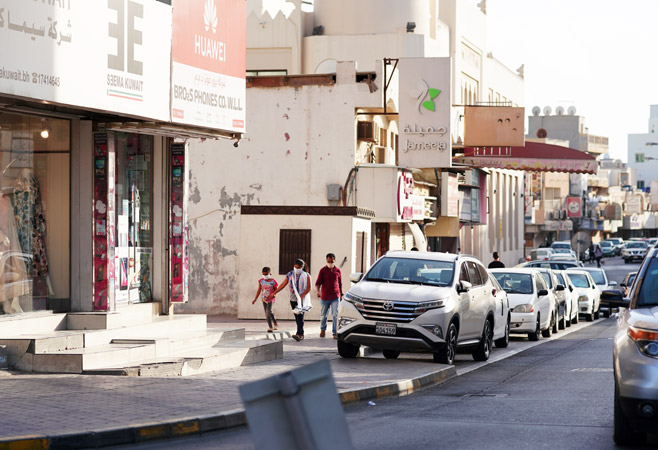
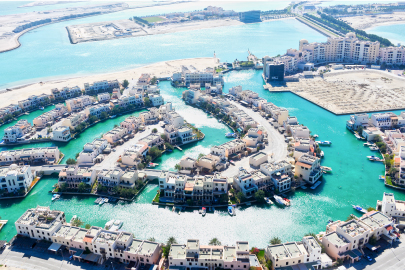
Daily street scenes in central Bahrain
Understanding the Mahooz Neighborhood Layout
Mahooz lies between major roads such as Osama Bin Zaid Avenue, Budaiya Highway, and Shaikh Salman Highway, with its exact boundaries blending naturally into nearby districts like Adliya and Um Al Hassam. The neighborhood developed primarily in the 1970s and 1980s, creating a mix of traditional Bahraini homes and modern apartment buildings that house both local families and long-term expatriate residents.
Mahooz’s streets vary in layout, with a mix of main roads and smaller lanes that can feel irregular but are easy to navigate with maps, making navigation straightforward even for first-time visitors. Main roads like Road 3621 and Road 3619 run through the neighborhood, with smaller residential streets branching off. Unlike the chaotic old souq area, Mahooz streets have clear signage and consistent numbering.
Walking distance defines this neighborhood. Most destinations sit within a 15-20 minute stroll from any starting point. The compact layout makes Mahooz ideal for exploratory walks without needing taxis between every stop.
Several accommodation options exist in Mahooz, particularly apartment hotels and serviced apartments popular with business travelers and families seeking longer stays. Most serviced apartments in Mahooz range from 35–70 BHD per night, with higher-end units costing more. The residential setting means quieter evenings compared to hotel districts, though you sacrifice immediate access to tourist services.
The neighborhood's diversity shows in its residents. Bahraini families who've lived here for decades share streets with Indian, Pakistani, Filipino, and Western expat communities. This mix creates a genuinely international atmosphere while maintaining distinctly local character.
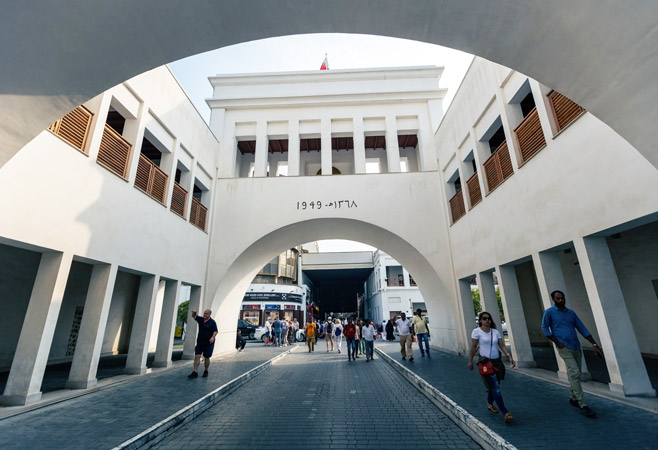
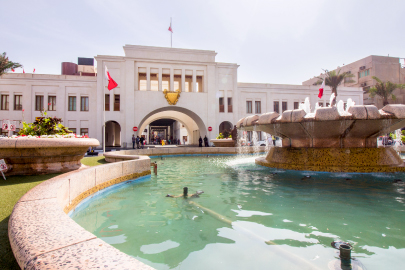
People walking through the market gate
Local Parks: Green Spaces Where Community Gathers
Local parks in Mahooz serve as the neighborhood's social centers. These aren't expansive botanical gardens or manicured tourist attractions—they're functional community spaces where residents walk, children play, and evening temperatures bring families outdoors.
Mahooz Park (also called Mahooz Garden) represents the neighborhood's main green space. Located near the center of the residential area, this park features walking paths, playground equipment, and shaded seating areas. Early mornings (6-8 AM) bring walkers and joggers before the heat builds. Late afternoons (4-6 PM) see families arriving with children.
The park itself is modest. Don't expect elaborate landscaping or extensive facilities. Instead, you'll find:
- Paved walking paths suitable for strolling or jogging
- Basic playground equipment (swings, slides, climbing structures)
- Shaded seating areas with benches
- Open grassy areas for informal play
- Basic fitness equipment (pull-up bars, stretching stations)
The real attraction isn't the facilities—it's the atmosphere. Watch children from different nationalities playing together while their mothers chat on benches. See elderly Bahraini men taking their evening constitutional. Notice teenagers gathered near the playground, talking and laughing.
Entry to Mahooz Park is free, and it remains open from early morning until late evening. The park sees regular maintenance, keeping facilities functional and grounds reasonably clean. Restroom facilities exist but bring tissues as supplies sometimes run low.
Safety considerations: Parks feel safe during daylight and early evening hours. Standard urban awareness applies—watch belongings, supervise children, and avoid isolated areas after dark. The community atmosphere generally discourages problems, and park users look out for one another.
Small neighborhood parks dot other areas of Mahooz as well. These pocket parks might consist of just a few trees, some benches, and a small playground, but they serve their communities well. Walking residential streets, you'll discover these hidden green spaces where locals gather away from main roads.
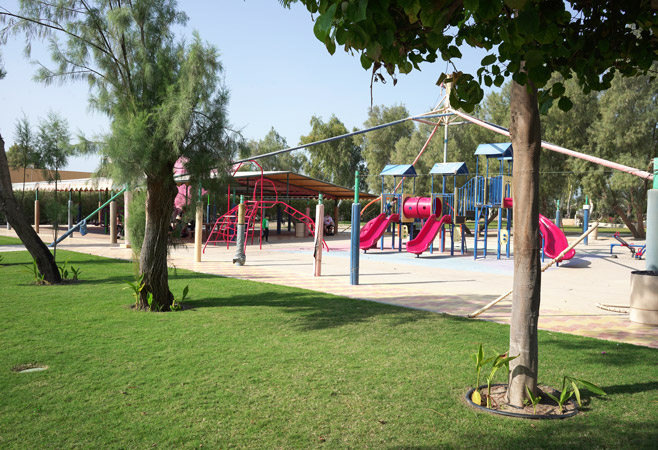
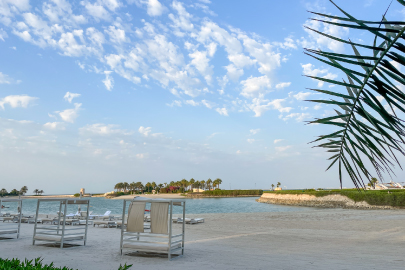
Public outdoor playground in Bahrain
Community Bakeries: Morning Rituals and Fresh Bread
Community bakeries form the heartbeat of Mahooz mornings. The smell of fresh bread draws you before you even see the shop—that warm, yeasty aroma that signals quality bread baking nearby. These aren't fancy artisan bakeries with Instagram-worthy interiors. They're working bakeries producing the daily bread that feeds the neighborhood.
Traditional Arabic Bakeries
Several traditional bakeries operate in Mahooz, many bakeries begin operating around 6–7 AM, with a few traditional ones opening earlier. The routine follows the same pattern: bakers work through the night, bread emerges from ovens in the early morning, and customers arrive steadily until mid-morning when the day's production sells out.
The bread selection focuses on Middle Eastern staples:
- Khubz (Arabic flatbread) - The round flatbread served with every meal, fresh from the oven and still warm
- Samoon - Iraqi-style diamond-shaped bread, crusty outside with soft interior
- Chapati - Thin, soft flatbreads popular among South Asian communities
- Roti - Similar to chapati but often slightly thicker
Prices remain remarkably low. Expect to pay 0.100-0.200 BHD per piece for most flatbreads. Five pieces cost less than one BHD, making fresh bread an incredible value. Bakeries sell bread by the piece or in bundled stacks wrapped in paper.
The bakery experience involves more than transactions. Regular customers chat with bakers, ask about families, and catch up on neighborhood news. As a visitor, don't expect this level of interaction immediately, but don't be surprised if friendly bakers ask where you're from or offer recommendations.
Modern Bakeries and Pastry Shops
Mahooz also hosts modern bakeries offering wider varieties including Western-style breads, pastries, and cakes. These establishments cater to the diverse community, stocking everything from French baguettes to Indian sweets.
Look for:
- Fresh croissants and Danish pastries (1-2 BHD each)
- Celebration cakes for special occasions (15-30 BHD depending on size)
- Arabic sweets like baklava and kunafa (sold by weight, around 3-4 BHD per 250g)
- Sandwiches and savory pastries for quick meals
These modern bakeries typically open later (7-8 AM) and stay open longer, some until 10 PM or midnight. They often include small seating areas where customers enjoy coffee and pastries.
Bakery Etiquette
Shopping at community bakeries follows simple customs:
- Wait your turn patiently—service operates first-come, first-served
- Point to items you want if language barriers exist
- Have small bills ready (100, 200, 500 fils notes)
- Check your change politely but don't make a scene over small amounts
- If bread is fresh from the oven, they may ask you to wait a moment before wrapping
Neighborhood Shops: Where Daily Life Happens
Neighborhood shops in Mahooz reveal the commercial side of residential life. These aren't tourist-focused boutiques—they're the stores that supply residents with daily necessities, occasional wants, and community connections.
Mini-Markets and Grocery Shops
Small grocery stores punctuate nearly every block in Mahooz. These family-run operations stock essential items: rice, lentils, spices, canned goods, dairy products, soft drinks, snacks, and household supplies. They're the convenience stores of Bahraini neighborhoods.
Prices at these mini-markets run slightly higher than large supermarkets, but the convenience factor justifies the premium. Need bottled water at 9 PM? Your neighborhood shop is open. Forgot milk for morning coffee? The shop two streets over has you covered.
Shop hours vary but typically extend from early morning (6-7 AM) until late evening (11 PM-midnight). Some stay open even later, particularly those catering to South Asian communities who shop late.
Browsing these shops offers cultural insights. Notice the specific products stocked—brands popular in India, Pakistan, and the Philippines alongside Middle Eastern and Western goods. The product mix reflects the neighborhood's demographic reality.
Specialty Shops
Beyond general grocery stores, Mahooz contains specialized shops serving specific needs:
- Fresh produce vendors selling fruits and vegetables at lower prices than supermarkets
- Butcher shops offering halal meat cut to customer specifications
- Fresh fish vendors are uncommon in Mahooz; most residents buy seafood from larger markets elsewhere in Manama
- Hardware stores for household repairs and maintenance
- Fabric and tailoring shops serving the region's strong custom-clothing culture
Pharmacies and Essential Services
Several pharmacies operate in Mahooz, providing both prescription medications and over-the-counter remedies. Bahrain's pharmacies stock international brands and can offer advice for minor health concerns. Most pharmacists speak English and can explain medication usage clearly.
Other essential services include:
- Laundries and dry cleaners (washing/pressing service: 0.500-1 BHD per item)
- Barbershops and salons (men's haircuts: 2-4 BHD; women's services: 5-15 BHD)
- Mobile phone shops for SIM cards and repairs
- Small restaurants and cafeterias (meals: 1.5-4 BHD)
The Art of Residential Strolls in Mahooz
Taking residential strolls through Mahooz requires different approaches than exploring tourist areas. The goal isn't checking attractions off lists—it's absorbing neighborhood rhythms and observing daily life.
Best Times for Walking
Mahooz reveals different personalities throughout the day:
- Early morning (6-8 AM): The neighborhood wakes up. Bakeries bustle with customers. Workers head to jobs. The air stays relatively cool, making walking pleasant even in summer.
- Mid-morning (9-11 AM): Residential streets quiet as people settle into daily routines. Mothers with young children might appear at parks. Shopkeepers sweep storefronts.
- Afternoon (1-4 PM): The slowest period. Heat drives most activity indoors. Streets feel almost deserted. Not ideal for walking except in winter months (November-March).
- Late afternoon/evening (5-8 PM): The neighborhood re-awakens. Families emerge for park visits. Shops experience second rush periods. Temperatures moderate, creating pleasant walking conditions.
Suggested Walking Routes
Create your own route based on interests, but this pattern covers key neighborhood elements:
- Start at Mahooz Park (morning or evening)
- Walk through residential streets, observing architecture and daily life
- Stop at a traditional bakery for fresh bread
- Explore the commercial area along main roads
- Visit a local mini-market to browse products
- End at a small restaurant or cafeteria for refreshments
This loop takes 60-90 minutes at a leisurely pace with stops. Adjust based on energy levels and interests.
What to Bring
- Comfortable walking shoes (sidewalks exist but quality varies)
- Sun protection (hat, sunglasses, sunscreen)
- Water bottle (shops sell water, but carrying your own is convenient)
- Small bills and coins for purchases
- Phone with offline maps (Google Maps works well in Bahrain)
- Modest clothing respecting local customs
Photography Considerations
Taking photos during residential strolls requires sensitivity. People in their own neighborhood deserve privacy and respect.
Guidelines for photography:
- Avoid photographing people without permission
- Don't point cameras into homes or private spaces
- Architectural details and street scenes are generally fine
- Ask permission before photographing shop interiors
- Children should never be photographed without parental consent
Most residents react positively to respectful photographers who ask permission. A smile and gesture toward your camera usually communicates your request clearly across language barriers.
The Real Value of Mahooz Exploration
Tourism often focuses on extraordinary experiences—ancient ruins, stunning architecture, unique cultural performances. Mahooz offers something different: ordinariness. The value lies in witnessing how people live their regular lives in a place culturally different from your own.
Walking through Mahooz, you realize that daily life everywhere involves similar patterns: buying bread for breakfast, taking children to parks, grocery shopping, getting haircuts, chatting with neighbors. The details differ—the bread types, the languages spoken, the products on store shelves—but the fundamental rhythms feel universal.
This ordinariness creates authentic connections. Shop at the same bakery two mornings in a row, and the baker might greet you the second time. Wave to the same park security guard each evening, and he'll eventually wave first. These small interactions build understanding that tourist attractions cannot provide.
The Mahooz neighborhood also demonstrates Bahrain's demographic diversity. Unlike areas dominated by either Bahraini nationals or specific expat communities, Mahooz genuinely mixes populations. This integration isn't always smooth—cultural tensions and misunderstandings certainly exist—but it functions as a working model of multicultural coexistence.
Practical Considerations for Mahooz Visitors
Getting There and Around
Mahooz sits close enough to central Manama for easy access. Taxis from downtown cost 1.5-2.5 BHD. Ride-hailing apps (Uber, Careem) operate throughout Bahrain with similar pricing.
Within Mahooz, walking handles most transportation needs. The neighborhood's compact size and generally safe streets make pedestrian exploration feasible.
Safety and Comfort
Mahooz rates as a safe neighborhood by day and evening. Standard urban precautions apply:
- Stay aware of surroundings
- Keep valuables secured
- Avoid confrontations or arguments
- Trust instincts if situations feel uncomfortable
As a residential area, Mahooz lacks the security presence visible in commercial districts, but this rarely creates problems. The community atmosphere and busy streets during active hours provide natural safety.
Language
English works at most shops and bakeries, though fluency varies. Having key Arabic phrases helps:
- "Shukran" (thank you)
- "Min fadlak" (please)
- "Kam?" (how much?)
- "Ma'a salama" (goodbye)
Many shop owners speak Hindi, Urdu, or Tagalog depending on their background. These linguistic bridges help diverse communities communicate.
Respect and Cultural Sensitivity
Remember you're walking through people's neighborhoods, not a themed tourist area. Respect residents by:
- Dressing modestly (covering shoulders and knees at minimum)
- Keeping voices at reasonable levels
- Not treating residents as photo subjects without permission
- Acknowledging greetings politely
- Being patient with language barriers
Beyond the Surface: What Mahooz Teaches
Spending time in the Mahooz neighborhood teaches lessons that extend beyond Bahrain tourism. It demonstrates how exploring residential areas enriches travel experiences by adding depth and authenticity to surface-level sightseeing.
Tourist attractions show what a place wants visitors to see. Residential neighborhoods reveal what a place actually is. Both perspectives matter for comprehensive understanding.
The residential strolls through Mahooz also challenge assumptions about Middle Eastern life. Media often portrays the Gulf region through extremes—either opulent wealth or restrictive conservatism. Mahooz shows the middle ground: working-class and middle-class families living relatively ordinary lives, navigating the same challenges and joys as people everywhere.
These walks remind travelers that tourism's highest purpose isn't collection of experiences or photographs, but development of understanding and empathy across cultural differences.
Is Mahooz neighborhood safe for solo travelers and women?
Yes, Mahooz is generally safe for solo travelers including women during daylight and evening hours. The residential nature means less nightlife activity than tourist areas, but regular neighborhood activity continues until late evening. Standard awareness applies—stay in well-lit areas, avoid isolated spots after dark, and trust your instincts. Many female expats live and walk in Mahooz comfortably.
What should I wear when walking through Mahooz residential areas?
Dress modestly out of respect for the residential community. Cover shoulders and knees at minimum—lightweight long pants or below-knee skirts work well. Women aren't required to cover their heads in Bahrain, but carrying a light scarf for entering shops or mosques is practical. Comfortable walking shoes matter more than fashion given uneven sidewalks and extended strolling.
Are shops and bakeries in Mahooz open on Fridays?
Yes, though hours may vary. Traditional bakeries typically operate Friday mornings for post-prayer breakfast needs but may close Friday afternoons. Mini-markets and grocery shops generally stay open but might close briefly during Friday prayer times (around 12-1 PM). Modern bakeries and larger shops usually maintain regular Friday hours since much of the neighborhood is non-Bahraini residents who don't observe Friday as a rest day.
Discovering Bahrain's Authentic Neighborhoods
Exploring the Mahooz neighborhood through leisurely residential strolls offers travelers genuine insights into Bahraini daily life that tourist districts simply cannot match. From morning visits to community bakeries where fresh khubz emerges from ovens to evening walks through local parks where families gather, Mahooz reveals the authentic rhythms that define life in this Gulf nation.
Before you can wander through these tree-lined streets, browse neighborhood shops, or experience the simple pleasure of fresh bread from a local bakery, you'll need proper travel documentation. GVC simplifies the visa process for Bahrain, handling the paperwork efficiently so you can focus on planning your neighborhood explorations. The straightforward electronic visa system means no embassy visits—just online applications that process quickly, typically within 3-5 business days.
Understanding exactly what your travel documentation will cost helps you budget accurately for your entire Bahrain experience. GVC provides transparent pricing information upfront, with no hidden fees surprising you later. This clarity lets you plan your travel budget comprehensively, allocating funds for those morning bakery visits, afternoon refreshments at local shops, and all the small purchases that make residential strolls through Mahooz memorable.
Already submitted your visa application and eager to confirm your Mahooz walking plans? The convenient application tracking system lets you monitor your visa progress in real-time. This transparency eliminates uncertainty, allowing you to book accommodations and plan detailed walking routes through the neighborhood with confidence. With your visa secured through GVC's efficient service, you're free to anticipate the authentic experiences awaiting in Mahooz—where residential strolls reveal the real Bahrain beyond tourist attractions, and where every corner offers opportunities to connect with the daily life and genuine hospitality that make this neighborhood special.
Related Articles:
- Best Places To Visit In Bahrain For First Time Travelers
- 10 Things To Do In Bahrain For First Time Comers
- Bahrain Travel Guide Everything You Need To Know Before You Go
- Exploring The Best Places To Visit In Bahrain Manama
- Is Bahrain Safe Guide For Travelers
- Visit Bahrain A Gem Of The Arabian Gulf
- Bahrain Travel All You Need To Know Before You Visit
Tags