Bahraini Rice and Fish Traditions: Sauces, Sides, and Etiquette
The first time you sit down to a proper Bahraini rice and fish meal, the table tells a story before anyone speaks. Platters of golden rice mounded high with perfectly cooked fish arrive steaming. Small bowls of aromatic sauces circle the main dish. Side plates hold pickles, salads, and condiments. Someone gestures toward the food with a welcoming hand, and suddenly you realize—this isn't just lunch. This is centuries of Gulf tradition laid out before you.
Bahraini rice and fish traditions run deep in this island nation's culinary identity. Surrounded by the Arabian Gulf's productive fishing waters, Bahrain has developed a distinctive tradition of serving seafood with fragrant rice, shaped by generations of coastal living. The fish traditions here reflect both the pearling heritage that shaped the country and the spice trade routes that enriched its flavors. Understanding the traditional sauces, local sides, and dining etiquette transforms a simple meal into a cultural experience that connects you to Bahraini hospitality at its finest.
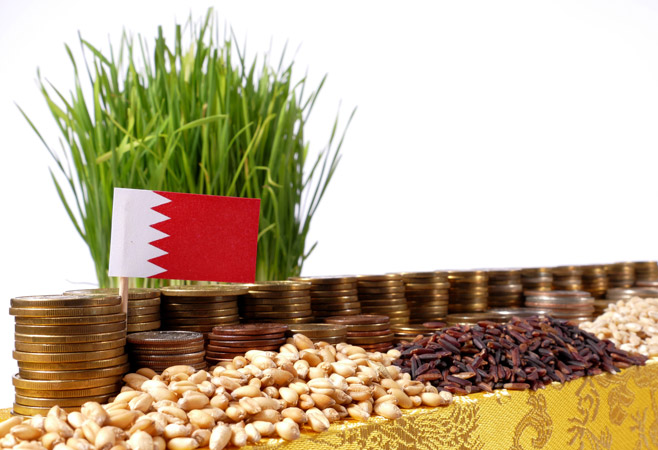
Bahraini rice
The Foundation: Understanding Bahraini Rice Dishes
Bahraini rice forms the canvas for the nation's most beloved fish dishes. The preparation goes beyond simply boiling grains—it's a technique involving timing, spices, and layering that creates distinct textures and flavors.
Muhammar stands as Bahrain's signature rice dish. This sweet rice, cooked with dates or sugar and infused with cardamom, saffron, and rose water, turns a distinctive amber color. Muhammar is traditionally paired with fried or grilled fish, especially species like safi or chana. Restaurants across Manama serve muhammar, but home-cooked versions reveal subtle family variations passed through generations.
Machboos represents the savory counterpart. Often called the national dish of Bahrain, machboos features basmati rice cooked with fish (or meat) in a tomato-based sauce loaded with baharat spice mix, dried limes, and caramelized onions. The rice absorbs the cooking liquid, developing deep flavors while maintaining separate, fluffy grains.
The rice quality matters tremendously. Bahraini cooks favor aged basmati for its longer grains and superior aroma. Before cooking, rice gets washed repeatedly until the water runs clear, then soaked for 30 minutes. This process removes excess starch and ensures each grain cooks perfectly.
Local restaurants typically charge 2-4 BHD for generous rice and fish portions. Family-style restaurants offer better value—expect to pay 8-15 BHD for platters serving 3-4 people. Upscale restaurants in Adliya or Seef districts charge 6-10 BHD per person for refined versions of traditional dishes.
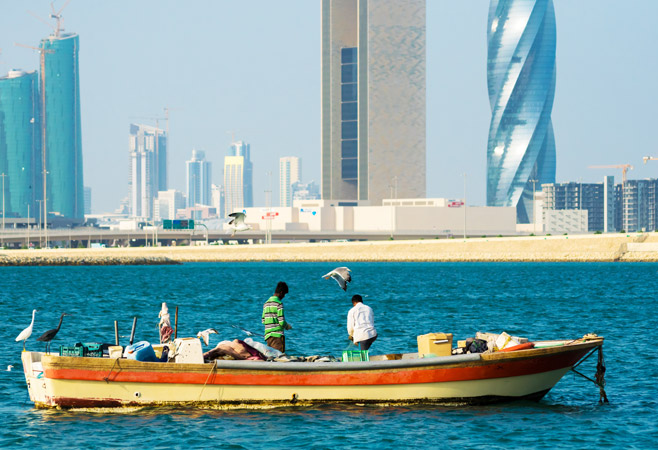
MANAMA, BAHRAIN - Two fishermen fixing the fishing net
Fish Traditions: From Gulf Waters to Your Plate
The fish traditions in Bahrain celebrate the island's fishing heritage. Walk through Manama's fish market early morning, and you'll see the catch that defines Bahraini cuisine: hammour (grouper), safi (rabbitfish), chanad (mackerel), and zubaidi (silver pomfret).
Hammour has long been a favorite in Bahraini cooking, though availability today can vary due to regional conservation concerns. This firm, white-fleshed fish holds up beautifully whether grilled, fried, or cooked in rice. Its mild flavor absorbs spices without becoming overpowering. A whole grilled hammour, seasoned simply with salt, pepper, and turmeric, appears at family gatherings and celebrations.
Zubaidi commands respect and premium prices. This silver-skinned fish has rich, buttery flesh that Bahrainis often prepare with minimal seasoning to highlight its natural flavor. Zubaidi generally has a peak season in the cooler months, though exact availability varies year to year, expect to pay 8-12 BHD per kilo at the fish market.
Traditional preparation methods include:
- Grilling over charcoal, which adds smoky depth
- Deep frying after coating in a spiced flour mixture
- Steaming with rice in machboos preparation
- Pan-searing with garlic and lime
The freshness obsession runs deep. Bahraini cooks shop for fish the same day they plan to cook it. At restaurants, don't hesitate to ask when the fish arrived—reputable establishments proudly share this information.
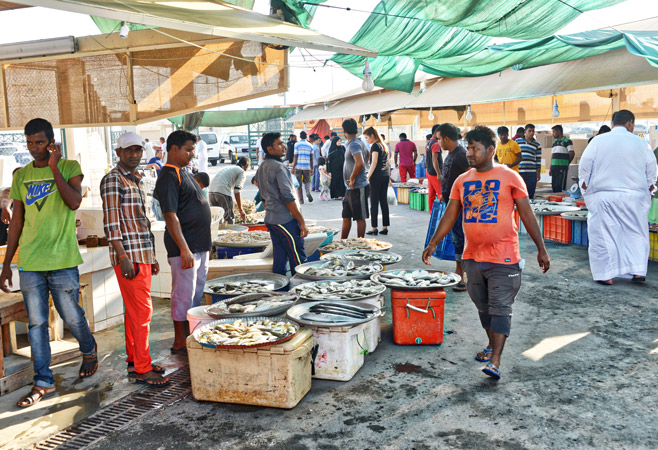
The Fish Market in Bahrain
Traditional Sauces That Define the Meal
Traditional sauces transform Bahraini rice and fish from good to unforgettable. These condiments aren't afterthoughts—they're essential components that diners mix into their rice or spoon over fish according to personal preference.
Daqoos leads the sauce lineup. This thin, spicy tomato-based sauce contains onions, garlic, dried limes, and plenty of chili. Some versions include tamarind for extra tanginess. Daqoos cuts through rich fish and adds moisture to rice. The sauce's heat level varies wildly—taste cautiously before liberally applying.
Mahyawa represents acquired-taste territory. This fermented fish sauce, made from sardines or anchovies, delivers intense umami saltiness. Mixed with onions, tomatoes, and spices, mahyawa divides diners into devoted fans and polite decliners. Locals drizzle it sparingly over rice or use it as a dipping sauce for fish.
Amba brings Iraqi-Indian influence to Bahraini tables. This pickled mango sauce, spiced with fenugreek, turmeric, and chili, adds tangy brightness that complements fried fish especially well. You'll find amba served alongside rice dishes or used in fish sandwiches.
Zhoug (green chili sauce) appears less frequently but adds herbaceous heat when it does. Blended from green chilies, cilantro, garlic, and cumin, zhoug provides a fresh alternative to tomato-based sauces.
Most restaurants provide at least two or three sauces automatically. Don't feel pressured to use them all—experiment and find your preferences. Asking for extra sauce is perfectly acceptable and often anticipated.
Local Sides That Complete the Experience
Local sides surrounding the main rice and fish platter balance flavors and provide textural variety. These accompaniments follow patterns seen across Gulf cuisine but with distinctly Bahraini touches.
Kachumbari or Salata Hara (spicy salad) combines diced tomatoes, cucumbers, onions, and green chilies dressed with lime juice and salt. This fresh, crunchy side cuts through rich fish and rice, cleansing the palate between bites.
Pickles arrive in small bowls, offering sharp, vinegary contrast. Look for:
- Pickled turnips (dyed pink with beetroot)
- Pickled cucumbers
- Pickled green chilies
- Pickled carrots
- Mixed vegetable pickles
Yogurt sauce or plain yogurt provides cooling relief, especially important when navigating spicy daqoos. Some versions include mint, cucumber, or garlic, while others remain plain.
Fresh limes always accompany fish. Squeezing lime over grilled fish and into rice brightens flavors and adds essential acidity. Bahrainis squeeze generously—follow their lead.
Flatbread sits beside every meal. Arabic bread (khubz) serves multiple purposes: scooping rice, wrapping fish, or simply eating alongside the meal. The bread arrives warm, either from traditional clay ovens or modern bakeries.
Dining Etiquette: Navigating Bahraini Table Customs
Dining etiquette in Bahrain blends formal traditions with relaxed Gulf hospitality. Understanding these customs helps visitors feel comfortable and shows respect for local culture.
Hand Usage Matters Traditional meals often involve eating with hands, especially in home settings or at cultural restaurants. The right hand handles food while the left hand remains unused for eating. This practice holds religious and cultural significance across the Gulf region.
When eating rice with your hand, gather a small amount, shape it into a ball using your fingers, and bring it to your mouth using your thumb. It takes practice—don't feel embarrassed if your first attempts are messy. Most Bahraini hosts appreciate guests trying traditional methods, regardless of technique.
Restaurants always provide utensils, and using fork and spoon is completely acceptable. Nobody expects visitors to master hand-eating, though attempting it demonstrates cultural interest.
Sharing and Serving Protocols Bahraini meals emphasize communal eating. Large platters serve multiple people, with everyone eating from the shared dish. Take food from the section directly in front of you rather than reaching across to distant areas.
If someone serves you directly, accept graciously. Hosts often place choice pieces of fish on guests' portions as a sign of hospitality. Refusing is considered impolite unless dietary restrictions prevent eating.
Pace and Portions In many families, meals are straightforward and focused on eating, though conversation habits vary widely across households. Follow your hosts' pace—starting before elders or honored guests is inappropriate.
Expect generous portions. Hosts consider abundance a mark of hospitality and may encourage you to eat more even when you're full. Politely declining after eating a good portion is acceptable. Saying "Alhamdulillah" (praise be to God) signals you're finished.
When Dining in Homes Home invitations carry special significance. Accept with genuine appreciation, and arrive promptly. Bringing small gifts (dates, sweets, or pastries) is customary but not required.
Remove shoes at the entrance unless told otherwise. Sit where directed—seating arrangements often reflect honor and hierarchy. Compliment the food sincerely but avoid excessive praise, which can seem insincere.
Where to Experience Authentic Bahraini Rice and Fish
Finding authentic Bahraini rice and fish traditions means venturing beyond tourist-focused restaurants into neighborhoods where locals actually eat.
Restaurant Type | What to Expect | Price Range |
Traditional Family Restaurants | Large portions, communal platters, limited English menus | 2-5 BHD per person |
Seafood Restaurants | Fresh catch, multiple fish options, modern setting | 8-15 BHD per person |
Local Cafeterias | Quick service, basic preparation, authentic flavors | 1.5-3 BHD per person |
Muharraq offers particularly good traditional dining options. This historic district maintains old-school eateries where machboos appears exactly as grandmothers have made it for decades. Expect plastic chairs, wall-mounted TVs, and incredible food at minimal prices.
Manama Souq area restaurants cater to working-class Bahrainis and expats, ensuring authentic flavors without tourist markups. These spots fill during lunch (1-3 PM) and dinner (8-10 PM).
Home-dining experiences through cultural programs occasionally offer visitors chances to eat with Bahraini families. These experiences provide unmatched insight into dining etiquette and family dynamics around food.
Bringing Fish Traditions Into Your Travel Experience
Experiencing Bahraini rice and fish traditions enriches your understanding of this island nation beyond beaches and shopping malls. Food reveals how geography, history, and culture interweave in daily life.
Start with familiar dishes. Grilled hammour with muhammar provides an accessible entry point before exploring more adventurous options like mahyawa. Most restaurants understand visitors' preferences and adjust spice levels upon request.
Visit the fish market in Manama (open early morning until noon). Watch the auction, observe how locals select fish, and see the species that define Bahraini cuisine. Even if you don't cook, the market visit contextualizes restaurant dishes.
Try dining at different times. Lunch (1-3 PM) sees traditional restaurants at their busiest, when fresh batches of rice and fish emerge from kitchens. Friday lunch, after morning prayers, represents the week's main family meal—restaurants buzz with multi-generational groups.
Don't shy away from asking questions. Bahraini hospitality extends to explaining dishes, ingredients, and customs. Most people genuinely enjoy sharing their culinary heritage with interested visitors.
Moving Beyond Tourist Dining
The difference between tourist-oriented meals and authentic Bahraini rice and fish experiences becomes obvious once you know where to look. Tourist restaurants serve fine food but often simplify flavors and presentations for international palates.
Authentic experiences involve:
- Rice cooked in large pots, not individual portions
- Fish with bones intact (easier eating but more flavorful)
- Sauces with real heat, not tamed versions
- Communal serving styles
- Local families dining alongside you
These meals cost less, taste better, and create memories that outlast any souvenir. The slight language barriers and unfamiliar customs become part of the adventure rather than obstacles.
Take photos respectfully—ask before photographing people or their meals. Most Bahrainis are happy to pose or explain what you're eating, especially when you show genuine interest rather than treating their meal as exotic spectacle.
What's the best time to try traditional Bahraini rice and fish dishes?
Friday lunch offers the most authentic experience. This is when Bahraini families gather for the week's main meal, and restaurants serve their best preparations. Friday morning fish markets also provide the freshest catch. Alternatively, visit during lunch hours (1-3 PM) on weekdays when working locals fill traditional restaurants.
Can vegetarians find options at restaurants serving Bahraini rice and fish?
Most traditional fish restaurants focus heavily on seafood, making vegetarian options limited. However, the rice dishes (muhammar, plain machboos rice) and side dishes (salads, pickles, bread) are vegetarian-friendly. Communicate dietary needs clearly, and restaurants can often prepare vegetable-based versions of traditional dishes.
How spicy is Bahraini fish cuisine compared to other cuisines?
Bahraini cuisine sits at moderate spice levels—milder than Indian or Thai food but more flavorful than typical Western preparations. The heat comes mainly from sauces (daqoos, zhoug) that you control. The fish and rice themselves carry warm spices like turmeric, cardamom, and black pepper rather than chili heat. Always taste sauces before adding liberally.
Your Gateway to Bahraini Culinary Adventures
Discovering Bahraini rice and fish traditions firsthand means planning your Arabian Gulf journey with proper documentation. Before you can savor muhammar with fresh hammour or navigate the vibrant fish markets of Manama, sorting your travel visa ensures smooth entry. GVC streamlines the Bahrain visa application process, transforming what could be bureaucratic hassle into straightforward online steps.
The electronic visa system through GVC means no embassy appointments or complicated paperwork—perfect for travelers eager to focus on planning restaurant visits rather than documentation details. Most applications process within days, giving you certainty for your culinary exploration timeline. Whether you're planning a weekend food tour or an extended cultural immersion into Bahraini rice and fish traditions, having your visa secured early eliminates pre-travel stress.
Transparency matters when dealing with visa services, which is why GVC provides clear pricing information upfront. No hidden fees or surprise charges—just straightforward costs that let you budget accurately for your Bahrain food adventure. The platform walks you through requirements specific to your nationality, ensuring you submit correct documentation the first time.
Already submitted your application and curious about progress? The convenient visa status checking tool lets you monitor your application in real-time. This transparency reduces uncertainty and helps you plan confidently, booking restaurants and arranging accommodations knowing your visa approval is confirmed. With GVC handling the paperwork efficiently, you can concentrate on what truly matters—researching which traditional restaurants serve the best machboos, deciding whether to brave mahyawa sauce, and preparing your palate for the authentic flavors that make Bahraini rice and fish traditions unforgettable.
Related Articles:
- Bahrain Cuisine
- Best Restaurants In Bahrain A Culinary Journey Through The Kingdom
- Bahrain Travel Guide Everything You Need To Know Before You Go
- 10 Things To Do In Bahrain For First Time Comers
- Best Places To Visit In Bahrain For First Time Travelers
- Visit Bahrain A Gem Of The Arabian Gulf
- Bahrain Travel All You Need To Know Before You Visit
Tags