Tabin Wildlife Reserve: Night Safaris and Mud Volcanoes
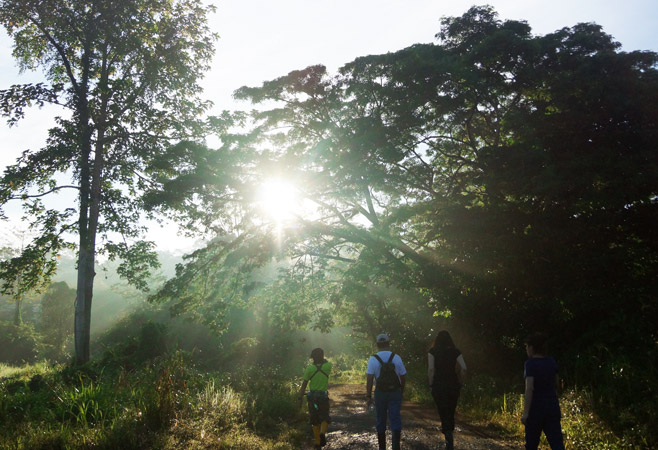
The first time I witnessed a Bornean pygmy elephant emerge from the darkness during a night safari, I understood why Tabin Wildlife Reserve has become Sabah's best-kept secret. While most tourists flock to the more famous sanctuaries, this 120,000-hectare reserve in eastern Sabah offers something truly special—the chance to see nocturnal animals in their element and experience the bizarre wonder of active mud volcanoes bubbling up from the earth.
Tabin Wildlife Reserve isn't your typical zoo-like experience. This is raw, authentic wildlife watching where patience pays off and every sighting feels earned. After visiting three times over the past five years, I've learned that Tabin rewards those who embrace its slower pace and unique attractions, especially after dark when the jungle truly comes alive.
Tabin Wildlife Reserve
Why Tabin Wildlife Reserve Stands Out
Located in Lahad Datu district, Tabin Wildlife Reserve was established in 1984 as Sabah's largest wildlife reserve. What makes it different from other conservation areas is its dual identity—it's both a regenerating secondary rainforest (previously logged) and a successful rehabilitation zone where wildlife populations are thriving again.
What sets Tabin apart:
- Accessibility combined with wilderness – Easier to reach than Danum Valley but still genuinely wild
- High animal density – Active salt licks and mud volcanoes attract diverse species
- Exceptional night safari opportunities – Purpose-built routes for spotting nocturnal animals
- Rehabilitation success stories – A recovering habitat that now supports returning populations of orangutans, sun bears, and elephants in the wild
During my April visit, I counted eight different mammal species in just two days, including the rare Malay civet and a family of bearded pigs. The reserve's habitat diversity—from lowland rainforest to riverine systems—creates perfect conditions for wildlife watching.
The Magic of Tabin's Night Safaris
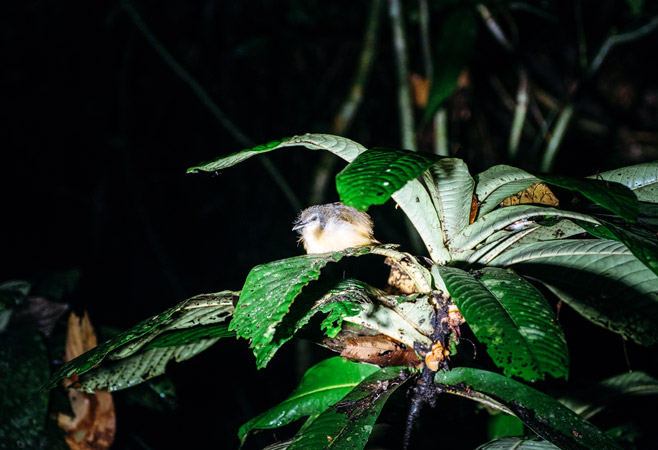
Here's what nobody tells you about jungle wildlife: most animals are active at night. Day hikes are wonderful, but night safaris at Tabin Wildlife Reserve reveal an entirely different world that most visitors miss.
Tabin's Night Safaris
What Happens on a Night Safari
Around 7:30 PM, you'll board an open-air 4WD vehicle equipped with powerful spotlights. Your guide drives slowly along designated routes, scanning the canopy and forest floor for eyeshine—the reflective glow from animal eyes that gives away their location.
Common nocturnal animals you might see:
- Leopard cats – Small, beautifully spotted wild cats hunting along the roadside
- Slow lorises – Adorable but venomous primates moving through branches
- Flying squirrels – Watch them glide between trees in the spotlight beam
- Owls and nightjars – Multiple species including the impressive Buffy fish owl
- Civet cats – Both common palm civets and the rarer Malay civet
- Sambar deer – Large deer that emerge to feed after dark
My most memorable sighting was a western tarsier—a tiny primate with enormous eyes that stared at us like an alien creature. My guide estimated we'd only have a 20% chance of seeing one, which made the encounter even more special.
Night safari tips:
- Wear dark clothing to avoid spooking animals
- Bring a light jacket—temperatures drop after sunset
- Don't use camera flash, which disturbs wildlife
- Safaris last 1.5-2 hours, so use the restroom first
- Ask your guide to turn off the spotlight occasionally to appreciate the sounds
The success rate for spotting wildlife during night safaris is remarkably high—I've never returned without seeing at least five different species. The guides at Tabin have years of experience and know exactly where animals frequent.
Experiencing the Mud Volcanoes
Before visiting, I thought mud volcanoes would be a minor curiosity. I was completely wrong. These geological features are fascinating, and watching wildlife interact with them adds another layer of wonder to Tabin Wildlife Reserve.
Mud Volcanoes - Tabin Wildlife Reserve
Understanding Tabin's Mud Volcanoes
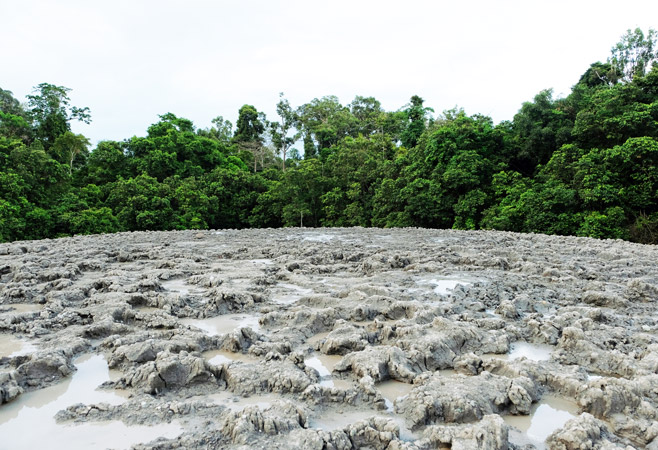
Unlike the explosive volcanoes we imagine, mud volcanoes are gentle formations where underground gas pressure pushes mineral-rich mud to the surface. At Tabin, several active mud volcanoes create natural mineral licks that attract animals from across the reserve.
Why animals love mud volcanoes:
- The mud contains essential minerals (especially salt) lacking in their regular diet
- Wallowing in mud regulates body temperature in the tropical heat
- Mud coating protects against insects and parasites
- It's a social gathering spot where animals interact
The largest mud volcano at Tabin is about 30 meters in diameter, with mud slowly bubbling and oozing in mesmerizing patterns. The mud is warm at the surface due to geothermal activity, often feeling noticeably heated to the touch, and the mud has a distinctive sulfuric smell that initially surprises visitors.
I've spent hours at the viewing platform watching wildlife approach the mud volcanoes. Bearded pigs roll enthusiastically in the mud, banteng (wild cattle) carefully step into the warm sludge, and even birds collect mud for nest building. During one early morning visit, a massive male orangutan casually walked past the platform on his way to feed at the mud volcano—just 15 meters from where I stood frozen in awe.
Planning Your Tabin Wildlife Reserve Visit
Most visitors book 2-3 night packages through the Tabin Wildlife Resort, which has exclusive access to the reserve. I recommend at least three days to maximize your chances of quality wildlife watching experiences.
Getting There
From Kota Kinabalu:
- Fly to Lahad Datu (1 hour 15 minutes, RM 200-400)
- Resort transfer picks you up (2-2.5 hours drive, usually included in packages)
From Sandakan:
- Overland journey takes 3-4 hours by car
- Public transport options are limited; most visitors arrange private transfers
The road to Tabin passes through oil palm plantations before entering the reserve. The final stretch is unpaved but well-maintained. I've made this journey five times without issues, though heavy rain can occasionally delay travel.
Accommodation Options
Tabin Wildlife Resort is currently the only accommodation within the reserve. The property offers different room types to suit various budgets.
Tabin Wildlife Resort is sold primarily as full-board packages (2–3 days) rather than per-night rates, with 3D2N packages typically ranging from RM 1,800 to RM 3,000 per person.
Packages typically include all meals, guided activities, and transfers from Lahad Datu. I've stayed in both standard and deluxe rooms—honestly, you're spending so little time in the room that standard accommodation works perfectly fine. Save your money for longer stays or better equipment.
Daily Schedule and Activities
Tabin Wildlife Reserve follows a structured schedule that maximizes wildlife watching opportunities during peak animal activity periods.
Typical daily itinerary:
- 6:00 AM – Morning jungle trek (2-3 hours) when animals are most active
- 9:00 AM – Breakfast at the resort
- 10:00 AM – Free time or optional activities (bird watching, swimming)
- 3:30 PM – Afternoon trek or visit to mud volcanoes
- 6:30 PM – Dinner
- 8:00 PM – Night safari (the highlight of most days)
The resort also offers river cruises, visits to the Lipad mud volcano viewing platform, and special bird watching sessions. I particularly enjoyed the late afternoon sessions at the mud volcano platform when elephants sometimes appear.
Additional activities:
- Guided bird watching walks (300+ species recorded at Tabin)
- Photography sessions at strategic locations
- Natural jacuzzi (hot springs modified for bathing)
- Night walks near the resort (shorter than night safaris but equally exciting)
Best Time to Visit for Wildlife Watching
I've visited Tabin Wildlife Reserve during both wet and dry seasons, and each offers different advantages for wildlife watching.
Dry season (March to October):
- Animals concentrate around water sources and mud volcanoes
- Better trail conditions for trekking
- Clearer weather for photography
- Higher tourist numbers during peak months (July-August)
Wet season (November to February):
- Fewer tourists mean quieter experiences
- Some animals more active due to cooler temperatures
- Leeches are abundant and aggressive
- Occasional trail closures during heavy rain
Based on my experiences, May to September provides the optimal combination of weather, wildlife activity, and reasonable visitor numbers. My June visit produced the best nocturnal animals sightings during night safaris, while my November trip was beautifully quiet but extremely muddy.
What to Pack for Your Tabin Adventure
Packing correctly makes a huge difference in your comfort and wildlife watching success.
Essential items:
- Clothing: Long-sleeved shirts and pants (protection from insects and leeches), quick-dry fabrics, rain jacket, hat
- Footwear: Broken-in hiking boots with good ankle support, leech socks or gaiters, camp sandals
- Gear: Binoculars (essential for spotting distant animals), headlamp, insect repellent with DEET, small backpack
- Camera equipment: Telephoto lens (200mm minimum), extra batteries (charging can be limited), waterproof camera bag
Mistakes I made on my first visit:
I brought white clothing that made me visible to animals from far away. I also skipped leech socks, thinking they weren't necessary—wrong decision. I counted 12 leeches on my legs during one morning trek. Learn from my mistakes and prepare properly.
The resort provides towels and basic toiletries, but bring any specific items you prefer. Phone signal is non-existent, which is actually refreshing—embrace the digital detox.
Wildlife Photography Tips
Tabin Wildlife Reserve offers incredible photography opportunities, but the challenging lighting conditions require some preparation.
Camera settings for night safaris:
- Use high ISO (3200-6400) to capture animals in spotlight beams
- Fast shutter speed (1/250 or faster) to freeze movement
- Shoot in RAW format for better post-processing flexibility
- Bring a beanbag or stabilizer since tripods aren't practical in moving vehicles
During day treks, the dense canopy creates dark conditions even at midday. I typically shoot at ISO 800-1600 with wide apertures. The mud volcanoes provide excellent photography opportunities in better light, especially during golden hour when the warm light enhances the earthy tones.
Be realistic about expectations. Many animals appear briefly before disappearing into vegetation. I've deleted hundreds of blurry photos for every sharp image I've kept. That's wildlife photography—celebrate the successful shots and don't stress over missed opportunities.
Conservation and Responsible Tourism
Tabin Wildlife Reserve exists primarily for conservation, with tourism playing a supporting role in funding protection efforts. The reserve management takes sustainability seriously, and visitors should too.
Practice responsible wildlife watching:
- Always maintain a safe distance from elephants as instructed by guides—typically 30 meters or more depending on the animal’s behavior and surroundings
- Never feed wildlife or leave food scraps
- Stay quiet during treks to avoid disturbing animals
- Follow guide instructions without exception
- Don't use drones, which severely stress wildlife
I've noticed that visitors who talk loudly or ignore guide advice see significantly fewer animals. The jungle rewards patience and respect. During my best wildlife encounter—watching a mother orangutan with her infant for 20 minutes—our group of six stayed completely silent. That patience made the experience possible.
Cost Breakdown and Budgeting
Let me give you realistic numbers for planning your Tabin Wildlife Reserve adventure.
3-day/2-night package costs:
- Budget package (standard room): RM 1,800-2,200 per person
- Deluxe package: RM 2,500-3,000 per person
- Flights from Kota Kinabalu: RM 300-500 return
- Personal expenses and tips: RM 100-200
- Total estimated cost: RM 2,200-3,700 ($490-820 USD)
Single travelers pay a supplement since most packages assume double occupancy. Booking directly with the resort sometimes offers better rates than third-party operators. I've had success negotiating better prices during low season or for longer stays.
The packages are all-inclusive, so you won't need much spending money at the resort. I typically bring small bills for tipping guides (RM 20-30 per guide per day is appropriate and appreciated).
Why Tabin Should Be On Your Borneo Itinerary
After exploring multiple wildlife destinations across Borneo, Tabin Wildlife Reserve holds a special place in my travel memories. It's not as pristine as Danum Valley or as famous as Sepilok, but it offers something unique—accessible wilderness with exceptional night safaris and the fascinating mud volcanoes experience.
The reserve proves that conservation and regeneration work. This former logged forest now supports healthy populations of elephants, orangutans, and countless other species. Watching a sun bear scratch its back against a tree or seeing fresh clouded leopard tracks reminds you that nature can recover when given proper protection.
If you're planning a Sabah wildlife adventure, combine Tabin Wildlife Reserve with other destinations like Kinabatangan River or Danum Valley for a comprehensive experience. But don't skip Tabin—those night safaris and the sight of elephants wallowing in bubbling mud are worth the journey.
How many days should I spend at Tabin Wildlife Reserve?
I recommend a minimum of three days and two nights to experience the full range of activities and maximize your wildlife sighting opportunities. Two-night stays allow for two night safaris, multiple jungle treks, and adequate time at the mud volcanoes. If you're a serious wildlife photographer or bird watcher, consider four days to increase your chances of rare sightings. Remember that wildlife viewing is unpredictable—longer stays significantly improve your odds of memorable encounters.
Is Tabin suitable for children and families?
Yes, Tabin Wildlife Reserve welcomes families and children as young as five years old. The activities aren't physically demanding, and night safaris particularly excite younger travelers. However, consider your children's temperament—the jungle environment is hot, humid, and full of insects. Kids who enjoy nature and can handle some discomfort will love it. The resort offers family suites and can modify activities for younger guests. I've seen families have wonderful experiences, though I'd recommend waiting until children are at least seven or eight for maximum enjoyment.
What are my chances of seeing pygmy elephants at Tabin?
Honestly, elephant sightings aren't guaranteed, which makes them even more special when they happen. During my five visits, I've seen elephants twice—once at the mud volcanoes and once during a night safari. Guides note that elephant sightings are possible but unpredictable, as herds roam widely within the reserve. Your best chances are early morning visits to the Lipad mud volcano or during night safaris when elephants move through the area. The reserve is home to a stable elephant population, but they roam across a vast area, so timing and luck both matter.
Preparing for Your Sabah Wildlife Adventure
Planning an unforgettable journey to Tabin Wildlife Reserve starts with ensuring your travel documents are in order. International visitors to Sabah need proper authorization before embarking on those incredible night safaris and mud volcano adventures, and GVC makes the entire visa process straightforward and stress-free.
Whether you're traveling specifically for wildlife watching or combining Tabin with other Malaysian destinations, having your visa sorted early means one less thing to worry about. GVC specializes in Malaysian visa services, helping thousands of nature enthusiasts and adventure travelers secure their entry requirements efficiently. Our team understands that your focus should be on packing your camera gear and planning which nocturnal animals you hope to photograph, not navigating complex bureaucracy.
Many travelers visiting Tabin Wildlife Reserve extend their Borneo adventure to include Indonesian Kalimantan or Brunei, and GVC can coordinate multi-destination visa requirements through one convenient platform. We handle the paperwork while you research the best months for elephant sightings at those fascinating mud volcanoes.
Getting started is simple. First, review the specific entry requirements for Malaysia based on your nationality and travel plans. Our clear pricing structure helps you budget accurately with no hidden surprises—just straightforward service fees and transparent processing timelines. Once you've submitted your application, you can track your visa status online anytime, giving you peace of mind as your departure date approaches.
Don't let visa confusion delay your Tabin Wildlife Reserve adventure. With GVC managing your travel documentation, you'll be spotting nocturnal animals during those magical night safaris before you know it.
Related Articles:
- Top Sabah Tourist Attractions In Malaysia From Cultural Heritage To Idyllic Beaches
- Borneos Wildlife Paradise Kinabatangan River Cruise Guide
- Dream Vacation At Malaysia Sabah Island
- Maliau Basin Lost World Expedition Planning
- Your Ultimate Guide To A Kota Kinabalu Trip Discover The Best Places And Islands
- Exploring Kundasang A Hidden Gem In Sabah
- 9 Best Resorts In Sabah Malaysia For Incredible Nature Scenes
Tags