Maliau Basin "The Lost World": How to Plan a Rare Expedition
Have you ever dreamed of stepping into a place so untouched that scientists didn't even know it began in the 1980s, Maliau Basin was first spotted by a pilot in 1947? That's exactly what happened to me when I first heard about Maliau Basin. Tucked away in the heart of Sabah, Malaysian Borneo, this ancient rainforest crater has earned its nickname "The Lost World" for good reason. With 588 square kilometers of pristine jungle, dramatic waterfalls, and wildlife that walks without fear of humans, Maliau Basin offers one of the rarest adventure experiences left on Earth.
Planning an expedition here isn't like booking a beach resort. It requires preparation, permits, and a real sense of adventure. But trust me—the effort is worth every drop of sweat.
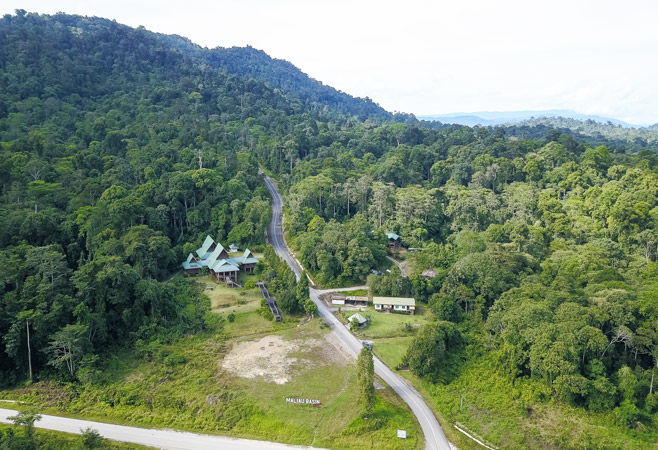
Maliau Basin
Why Maliau Basin Deserves Its "Lost World" Status
Maliau Basin remained hidden from the outside world until a pilot accidentally spotted it during a flight in 1947. Even then, it took decades before researchers could properly explore this geological wonder. The basin sits in a massive depression surrounded by cliffs and dense jungle, creating a natural fortress that has protected its ecosystem for millions of years.
What makes this place truly special:
- There are no settlements inside the basin itself, and only limited logging roads lead to the Maliau Basin Studies Centre, just pure wilderness
- Ancient rainforest – Some trees are believed to be several hundred years old, forming part of a very ancient rainforest ecosystem
- Unique geography – The basin formed from collapsed sandstone, creating a natural amphitheater
- Incredible biodiversity – Maliau Basin hosts species such as clouded leopards, leopard cats, hornbills, and flying lemurs. Orangutans and pygmy elephants may occasionally pass through border areas but are rarely seen
During my visit, I stood at the edge of Maliau Falls and realized I was seeing something most people will never witness. The seven-tiered Maliau Falls descends dramatically through the forest, with a total height commonly estimated at around 90–100 meters.
Understanding Access Requirements and Permits
Here's where many travelers get stuck: you cannot just show up at Maliau Basin. The Sabah Foundation strictly controls access to protect this fragile ecosystem, and honestly, I'm glad they do.
Permit essentials:
- All visitors must obtain advance permission from Yayasan Sabah (Sabah Foundation)
- Applications should be recommended to apply at least 2–3 weeks in advance, although operators can sometimes secure permits in a shorter time depending on availability.
- You must book through authorized tour operators or research institutions
- Individual backpackers cannot enter independently—you need a registered guide
The permit process requires submitting your passport details, intended dates, and itinerary. Processing typically takes 2-3 weeks, though I recommend allowing a full month during peak season (March to October).
Current fees:
- Conservation fee: RM 100 per person (approximately $22 USD)
- Research station accommodation: RM 150-300 per night depending on the facility
- Mandatory guide services typically range from RM 230–350 per day or are included in packaged tours
Choosing Your Expedition Style
Maliau Basin offers different experiences depending on your fitness level and adventure appetite. I've done both the easy route and the challenging trek, and each revealed different sides of this incredible place.
Research Station Stay (Beginner-Friendly)
Perfect for first-timers or those with moderate fitness. You'll stay at the Maliau Basin Studies Centre, a comfortable research facility with basic dormitories, hot showers, and a canteen. From here, guides lead day hikes to nearby waterfalls and viewpoints.
What to expect:
- 2-3 day itineraries
- Hikes ranging from 2-6 hours
- Returns to base camp each evening
- Suitable for families with older children
Multi-Day Jungle Trekking (Advanced)
This is the real deal—sleeping in basic shelters deep in the jungle, crossing rivers, and covering serious distance through challenging terrain. My five-day trek took me across the southern circuit, and it remains one of my toughest but most rewarding adventures.
Trek details:
- 4-7 day expeditions
- 15-20 kilometers per day through dense jungle
- Camp at remote shelters with no facilities
- Requires good fitness and mental preparation
Trek Type | Duration | Difficulty | Best For |
Research Station Base | 2-3 days | Easy-Moderate | First-timers, wildlife watching, families |
Northern Loop | 3-4 days | Moderate-Hard | Experienced hikers, waterfall lovers |
Southern Circuit | 5-7 days | Very Hard | Serious adventurers, complete immersion |
Best Time to Visit Maliau Basin
Borneo's rainforest climate means rain is always possible, but timing still matters. I learned this the hard way during my first visit in November when trails turned into mudslides.
Dry season (March to October):
- Less rainfall, though afternoon showers still occur
- Better trail conditions
- Higher chance of wildlife sightings
- More comfortable trekking temperatures
Wet season (November to February):
- Heavy rainfall can make trails dangerous
- River crossings become challenging or impossible
- Some areas may close for safety
- Leeches are extremely active
I recommend visiting between June and September. The weather is most stable, and you'll have the best chance of completing longer treks without interruptions.
Essential Packing List for Your Expedition
Packing for Maliau Basin is different from typical travel. Every item needs to earn its place in your backpack because you'll be carrying everything through humid jungle.
Must-bring items:
- Footwear: Broken-in hiking boots with ankle support and quick-dry camp shoes
- Clothing: Moisture-wicking shirts, long pants (leech protection), rain jacket, spare socks
- Protection: Strong insect repellent (at least 30% DEET), leech socks, sun protection
- Gear: Headlamp with spare batteries, waterproof bag liners, basic first aid kit
- Personal: Water purification tablets, energy snacks, personal medications
What I wish someone had told me: bring multiple pairs of thin, quick-dry socks. Change them during breaks to prevent blisters. Also, leech socks (or tucking pants into socks) are non-negotiable—I counted 15 leeches on my legs during one particularly wet trail section.
Transportation in Maliau Basin
Getting to Maliau Basin From Major Cities
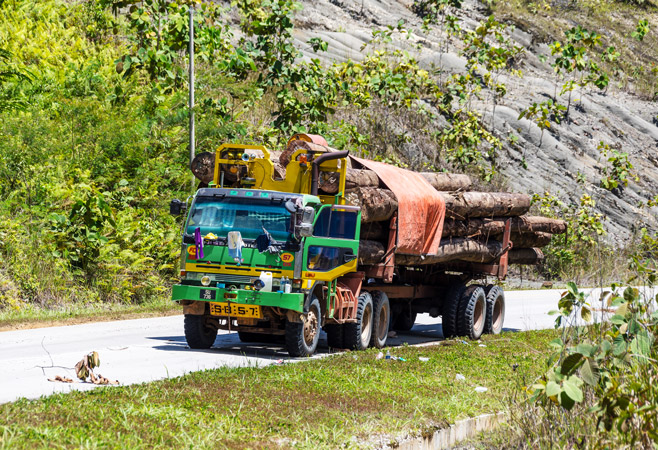
Reaching Maliau Basin requires multiple transportation stages. There's no direct route, which adds to its remote mystique.
From Kota Kinabalu:
- Fly to Tawau (1 hour, RM 150-300) or take a bus (8-10 hours, RM 60-80)
- From Tawau, drive to Maliau Basin Studies Centre (3-4 hours, usually arranged by tour operator)
- Alternative: Bus to Keningau, then 4WD to the basin (longer but cheaper)
Most tour packages include land transportation from Tawau or Keningau. If arranging independently, hiring a 4WD costs approximately RM 800-1,200 round trip. The final approach involves rough logging roads that require high-clearance vehicles.
The wildlife in Maliau Basin
Wildlife Encounters and Photography Tips
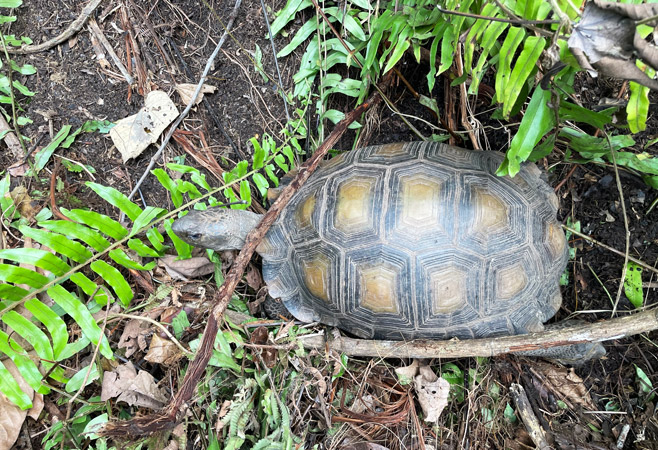
This is why you're really here—the wildlife. Maliau Basin hosts species that are increasingly rare elsewhere in Borneo. During my treks, I've been fortunate to spot several incredible animals.
What you might see:
- Bornean orangutans swinging through the canopy
- Pygmy elephants (if you're extremely lucky)
- Clouded leopards and leopard cats
- Hornbills, including the massive rhinoceros hornbill
- Flying lemurs gliding between trees at dusk
Photography considerations:
Bring a camera with good low-light performance—the jungle canopy blocks most sunlight. I use a weather-sealed body because humidity and rain are constant threats. A 24-105mm lens covers most situations, though wildlife photographers will want 200mm or longer.
Keep expectations realistic. The dense vegetation means most wildlife encounters are brief glimpses. I spent five days hoping to see a clouded leopard and only found fresh tracks. That's jungle trekking—nature operates on its schedule, not yours.
Physical Preparation and Fitness Requirements
I cannot stress this enough: arrive in shape. Maliau Basin will test your endurance in ways that regular gym workouts don't prepare you for.
Training recommendations:
- Start hiking with a loaded backpack at least 8 weeks before your trip
- Practice on uneven terrain, stairs, or hills
- Build cardiovascular endurance through running or cycling
- Strengthen core and leg muscles
- Test all gear on training hikes
The trails are relentlessly humid, often muddy, and include steep climbs over tree roots and rocks. I watched several underprepared trekkers struggle badly, turning what should be an adventure into a survival ordeal.
Safety Considerations and Emergency Protocols
Remote wilderness means limited rescue options. The nearest hospital is hours away over rough roads, and helicopter evacuation is possible but depends heavily on weather and comes at a high cost.
Stay safe by:
- Following your guide's instructions without exception
- Staying hydrated—drink before you feel thirsty
- Watching for signs of heat exhaustion (dizziness, nausea, confusion)
- Checking for leeches regularly during breaks
- Never wandering from designated trails
The research station has basic first aid supplies and satellite communication for emergencies. Your tour operator should provide emergency contact procedures and evacuation insurance information.
Cost Breakdown for Budget Planning
Let me give you realistic numbers based on my experiences and current rates.
3-day research station package:
- Tour operator package: RM 2,500-3,500 per person (includes permits, accommodation, meals, guides)
- Transportation from Tawau: RM 200-300 per person
- Personal expenses: RM 100-200
- Total: RM 2,800-4,000 ($620-890 USD)
5-day trekking expedition:
- Tour operator package: RM 4,500-6,500 per person
- Transportation: RM 200-300 per person
- Personal expenses: RM 150-300
- Total: RM 4,850-7,100 ($1,075-1,575 USD)
Group bookings reduce per-person costs. Solo travelers pay premium rates because guide costs don't divide. The cheapest way is joining scheduled group departures offered by major operators between April and September.
Responsible Tourism and Leave No Trace
Maliau Basin exists as a conservation area and scientific research site first, tourist destination second. Respecting this place ensures it remains protected for future generations.
Practice responsible tourism:
- Pack out everything you pack in—zero littering
- Stay on marked trails to prevent erosion
- Never feed wildlife or leave food scraps
- Use biodegradable soap and shampoo sparingly
- Respect quiet hours and wildlife behavior
During my last visit, I helped remove several kilograms of previous visitors' trash from a remote campsite. It broke my heart seeing plastic wrappers in such a pristine location. We can do better.
What Makes This Journey Worth the Effort
After all the permits, costs, physical preparation, and logistical challenges, you might wonder if Maliau Basin is worth it. Let me answer with a memory.
On my third night deep in the basin, I woke at 3 AM to complete darkness and the sounds of the jungle at night. Insects chirped in complex rhythms, something large moved through the canopy above, and distant gibbons called to each other across the valleys. I realized that this—this exact experience—is what our ancestors knew for millennia but modern humans have almost completely lost.
Maliau Basin isn't just a travel destination. It's a time machine to an Earth before roads, before cities, before humans dominated every landscape. It's uncomfortable, challenging, and absolutely humbling.
If you're seeking authentic wilderness, the kind that actually tests you and changes how you see the world, start planning your Maliau Basin expedition now.
How long should I plan for a Maliau Basin trip?
Allow at least 5-7 days total including travel time. A 2-3 day research station visit requires 2 days for transportation (1 day each way) plus your jungle time. Multi-day treks need 7-10 days minimum. Add buffer days for weather delays, which happen frequently in rainforest environments.
Do I need special vaccines or health precautions?
Yes, consult your doctor at least 6 weeks before travel. Recommended vaccines include hepatitis A and B, typhoid, tetanus, and Japanese encephalitis. Malaria is present in Sabah, though rare in Maliau Basin itself. Antimalarial medication is optional but consider it if you're particularly cautious. The bigger concern is cuts and scratches—even tiny wounds can become infected in the humid jungle environment.
Can beginners attempt Maliau Basin treks?
Research station stays are suitable for beginners with moderate fitness. You'll do day hikes returning to comfortable facilities each night. Multi-day jungle treks require previous hiking experience and good physical conditioning. If Maliau Basin is your first jungle experience, start with the easier option. You'll still see amazing wildlife and landscapes without risking injury or ruining your trip by attempting something beyond your capabilities.
Planning Your Malaysian Adventure: Visa and Travel Services
Whether you're heading to Maliau Basin or exploring other incredible destinations across Malaysia, proper travel documentation makes your adventure smoother. International travelers to Malaysia often need to arrange visas before arrival, and the process doesn't have to be complicated.
At Global Visa Corp (GVC), we specialize in helping adventurers and travelers secure their Malaysian entry requirements efficiently. Our streamlined e-visa services mean you spend less time on paperwork and more time planning your expedition into Borneo's lost world. We handle the complex bureaucracy so you can focus on packing your leech socks and hiking boots.
Many travelers combining Maliau Basin with other Southeast Asian destinations appreciate GVC's multi-country visa expertise. If you're planning a regional adventure that includes Thailand, Vietnam, or Indonesia alongside your Malaysian jungle trek, our team can coordinate all your visa requirements through one trusted platform.
Ready to start your Malaysian adventure? Check your visa requirements for Malaysia to understand what documentation you'll need. Our transparent visa service pricing helps you budget accurately for your trip—no hidden fees or surprises. Already applied? You can easily check your e-visa application status online anytime.
Don't let visa confusion delay your journey to one of Earth's last true wilderness areas. With proper planning and the right support, your Maliau Basin expedition will be the adventure of a lifetime.
Related Articles:
- Top Sabah Tourist Attractions In Malaysia From Cultural Heritage To Idyllic Beaches
- Dream Vacation At Malaysia Sabah Island
- Exploring Kundasang A Hidden Gem In Sabah
- Borneos Wildlife Paradise Kinabatangan River Cruise Guide
- Your Ultimate Guide To A Kota Kinabalu Trip Discover The Best Places And Islands
- Weather In Sabah Malaysia A Guide To Enjoy Natures Paradise
- 9 Best Resorts In Sabah Malaysia For Incredible Nature Scenes
Tags