Niah Caves Sarawak: Prehistoric Art and Giant Caverns Guide
Deep in the rainforests of Borneo lies one of Southeast Asia's most remarkable archaeological sites. The Niah Caves Sarawak have witnessed at least 40,000 years of human history, making them one of the earliest known sites of modern human presence in Southeast Asia. These massive limestone caverns cover a vast area and house ancient burial sites, prehistoric paintings, and large colonies of swiftlets.
Located about 3 hours from Miri, this internationally significant archaeological site offers adventurous travelers a chance to walk through time. The caves reveal stories of early human settlement in Borneo, with excavations uncovering tools, pottery, and the oldest modern human remains in Southeast Asia.
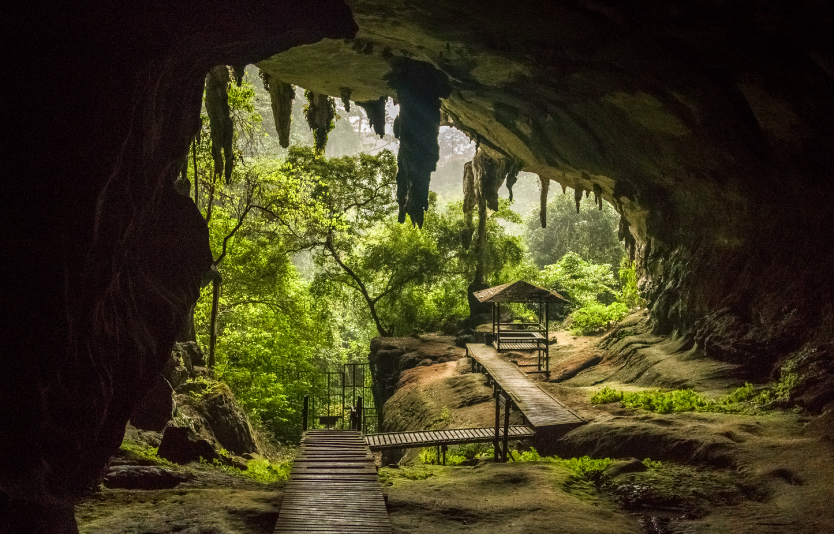 Niah Cave in Sarawak Malaysia
Planning Your Visit to Niah Caves National Park
Getting to Niah Caves requires some planning, but the journey rewards patient travelers. Most visitors base themselves in Miri, the nearest major city with good transport connections.
Transportation Options:
- By Bus: Regular buses depart from Miri's Pujut Bus Terminal to Batu Niah town (RM15-20, 2-3 hours)
- By Car: Rental cars offer flexibility for exploring the area at your own pace
- By Tour: Organized day trips from Miri include transport and guides (RM150-250 per person)
From Batu Niah town, hire a taxi or van to the park headquarters (RM20-30, 15 minutes). Budget travelers can take a local bus, though services are infrequent.
Entrance fees are affordable, though rates may vary depending on visitor nationality and current park regulations. Permits are issued at the park office where rangers provide helpful trail maps and current conditions.
The Great Cave and Archaeological Treasures
The Great Cave serves as the main attraction and archaeological goldmine of Niah Caves Sarawak. This enormous chamber could fit several cathedrals inside its 250-meter-long, 60-meter-high interior.
Walking through the entrance feels like stepping into another world. Natural light fades as the cave mouth swallows you whole. The temperature drops noticeably, offering welcome relief from the tropical humidity outside.
Archaeological Highlights:
- 40,000-year-old human remains - the Deep Skull, discovered in 1958
- Prehistoric rock paintings in red hematite depicting boat journeys and human figures
- Ancient burial sites with wooden coffins called "death ships"
- Stone tools and pottery spanning thousands of years of human occupation
The archaeological sites are roped off to protect them, but information boards explain the significance of each discovery. Bring a flashlight or headlamp to illuminate the darker sections and spot details in the rock art.
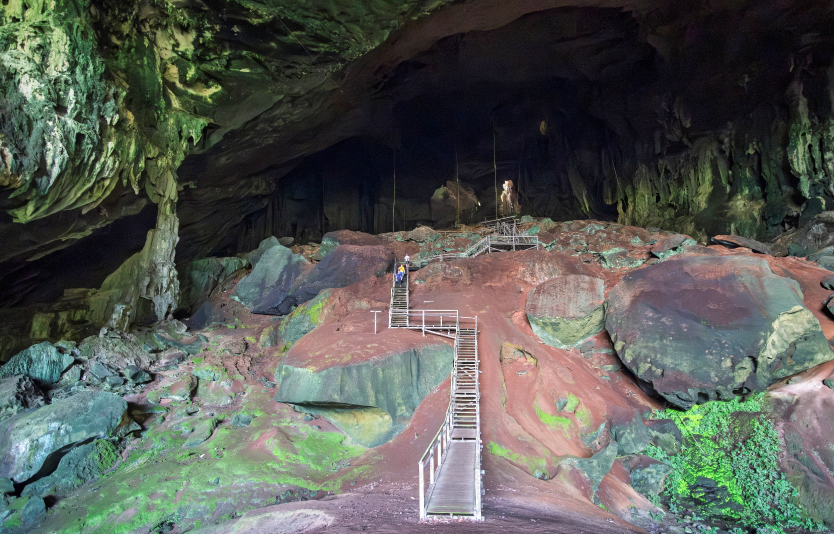 Tourists walk down a staircase at the Great Cave at Niah National Park
Exploring the Cave Network and Painted Cave
Beyond the Great Cave lies a network of connected caverns, each with unique features. The journey requires crossing wooden walkways that can be slippery after rain.
Moon Cave sits adjacent to the Great Cave, named for the shaft of light that pierces through a hole in the ceiling. This natural spotlight creates dramatic effects, especially during midday when the beam illuminates the cave floor.
The Painted Cave requires a separate 30-minute trek but justifies the extra effort. Ancient red paintings decorate the walls, depicting boats that carried the dead to the afterlife. These drawings are believed to date back over 1,000 years and represent some of Southeast Asia’s most important prehistoric funerary art.
Visitors need moderate fitness levels for the full circuit. The caves are generally open from morning until mid-afternoon, with last entry times varying depending on weather and park regulations. Start early to avoid crowds and maximize time inside the cooler caverns.
Wildlife and Natural Wonders Inside the Caves
The caves teem with life beyond their archaeological significance. Large populations of swiftlets nest in the upper reaches, creating the famous edible bird's nests harvested by local collectors.
Watch for bat colonies that number in the millions. Around sunset, they pour out of the cave entrance in massive swarms - a spectacular natural phenomenon. The exodus takes 30-45 minutes as wave after wave of bats darken the sky.
Other cave residents include:
- Cave racer snakes that hunt bats
- Giant centipedes up to 30cm long
- Huntsman spiders
- Various species of cave crickets and cockroaches
The caves maintain their own ecosystem, with life adapted to complete darkness. Guano (bat droppings) covers much of the cave floor, supporting a food chain of insects and their predators.
The Jungle Trek and Plank Walk Experience
Reaching Niah Caves Sarawak involves a 3-kilometer walk through pristine rainforest on elevated plank walks. This journey takes 45-60 minutes depending on pace and humidity levels.
The wooden walkway protects both visitors and the fragile forest floor. During rainy season (November to February), sections become extremely slippery. Proper footwear with good grip is essential - flip-flops are dangerous here.
Trail Tips:
- Bring at least 1.5 liters of water per person
- Apply insect repellent before starting
- Wear long, lightweight pants to avoid mosquito bites
- Use a walking stick for balance on slippery sections
- Take breaks at the rest shelters along the path
The forest canopy provides shade, but humidity remains high year-round. Sweat-wicking clothes dry faster than cotton. Some visitors bring a change of shirt for after the trek.
Wildlife sightings along the trail include hornbills, monkeys, monitor lizards, and countless insect species. The forest sounds create an immersive experience - buzzing cicadas, bird calls, and rustling leaves.
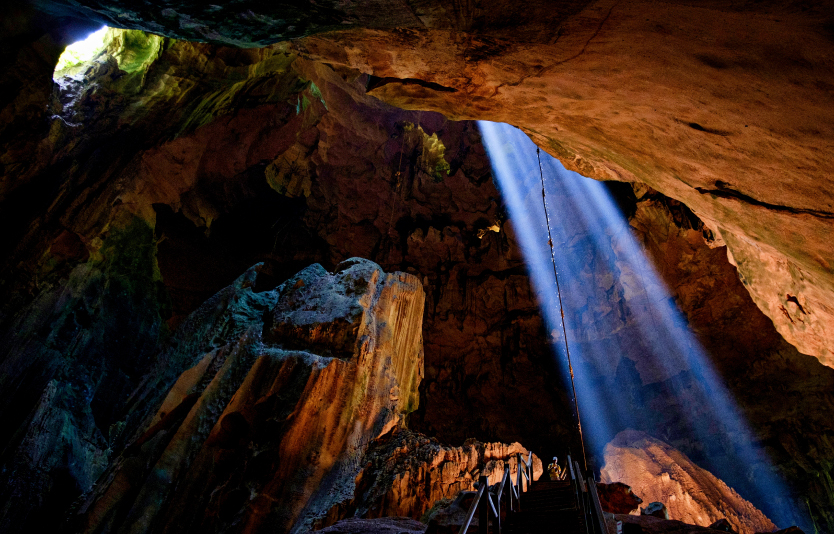
A tourist walks inside the Great Cave complex at Niah National Park in Sarawak
Essential Packing List and Safety Tips
Preparation makes the difference between an enjoyable visit and a challenging ordeal at Niah Caves Sarawak.
Essential Items | Optional But Useful | Not Recommended |
Powerful flashlight/headlamp with spare batteries | Camera with flash | Expensive jewelry |
Water bottles (1.5L minimum) | Trekking poles | White or light-colored clothing |
Insect repellent | Waterproof phone case | Open-toed shoes |
Sturdy hiking shoes | Lightweight raincoat | Excessive luggage |
Hat and sunscreen | Binoculars for wildlife | Strong perfume (attracts insects) |
Small backpack | Energy snacks | Large bags or suitcases |
Safety Considerations:
The caves are generally safe, but hazards exist. Watch for uneven ground, low ceilings, and slippery surfaces. The guano layer on cave floors can be inches deep and treacherous.
Stay on marked paths to avoid disturbing archaeological sites or getting lost. Mobile phone signals don't penetrate the caves, so groups should stay together.
Some visitors experience mild claustrophobia or anxiety in the darker sections. The caves are vast, with high ceilings, but certain passages narrow considerably. Anyone with serious claustrophobia should consider this before entering.
Accommodation and Dining Near the Caves
Staying overnight near Niah Caves Sarawak allows early morning starts and deeper exploration. Accommodation options range from basic to comfortable.
Niah Cave Inn near the park entrance offers simple rooms (RM60-80) with fans and shared bathrooms. The location can't be beaten for convenience.
Niah National Park Hostel inside the park provides basic dormitory beds (RM15-25) and forest chalets (RM100-150). Book through Sarawak Forestry Corporation in advance.
Batu Niah town (15 minutes away) has several budget hotels and homestays (RM40-100). This option suits travelers wanting more amenities and dining choices.
Food options are limited near the park. The small café at park headquarters serves basic Malaysian dishes (RM8-15). Bring snacks and water for the day. Batu Niah town has several coffee shops and restaurants serving local Sarawakian cuisine.
When is the best time to visit Niah Caves Sarawak?
The dry season from March to October offers the most comfortable conditions. Trails are less slippery, and rain interruptions are rare. However, the caves remain accessible year-round. Weekdays see fewer crowds than weekends, especially during Malaysian school holidays.
How long does a complete visit take?
Plan for 4-6 hours minimum to see the main caves properly. This includes the 3km forest trek each way (2 hours total) and 2-3 hours exploring the caves. Serious archaeology enthusiasts or photographers may want a full day. Factor in extra time for wildlife watching at dawn or dusk.
Can children visit the caves safely?
Children aged 7 and above with reasonable fitness can manage the trek and caves. The plank walk requires supervision, and young children tire quickly in the heat. Bring plenty of water and snacks. The caves fascinate kids interested in history, adventure, or nature. However, very young children or those in strollers will find the terrain impossible.
Getting Your Malaysia Visa Sorted
Before exploring the incredible Niah Caves Sarawak and other Malaysian wonders, travelers need proper documentation. Most visitors to Malaysia can enter visa-free for short stays, but requirements vary by nationality. Some travelers benefit from applying for an e-Visa in advance for extended trips or specific visa categories.
Global Visa Corp (GVC) streamlines the Malaysia visa application process, eliminating confusion and saving time. Their platform handles everything from tourist visas to business permits, with transparent pricing and straightforward procedures. The service particularly helps travelers from countries requiring advance visa arrangements or those planning extended stays across multiple Southeast Asian destinations.
GVC's Malaysia visa service provides clear guidance on documentation requirements, processing times, and entry conditions. Instead of navigating government websites and conflicting information, travelers get expert support throughout the application process. Their Malaysia visa information page covers everything needed for a smooth entry into the country.
For travelers already in the application process, tracking visa status becomes simple through their online status checker. The platform provides real-time updates, so there's no need to wonder about application progress. This transparency helps with booking flights and accommodations confidently.
Budget-conscious travelers appreciate clear cost breakdowns. GVC's transparent pricing structure shows exactly what each service costs, with no hidden fees or surprise charges. Comparing this to the time and potential errors of DIY applications often makes professional assistance worthwhile.
Whether planning to explore prehistoric caves in Sarawak, beaches in Langkawi, or cities like Kuala Lumpur, proper visa documentation ensures smooth entry. Professional services handle the bureaucracy while travelers focus on planning adventures through Malaysia's diverse landscapes and cultural treasures.
Related Articles:
Tags