Kubah National Park: Waterfall Trails and Fern Diversity
Just 20 kilometers from Kuching's bustling streets, a different world exists. Kubah National Park wraps visitors in emerald forest where waterfalls cascade over ancient rocks and ferns sprout from every available surface. This approximately 2,230-hectare protected area showcases Sarawak's incredible biodiversity in a compact, accessible package.
Unlike remote Bornean wilderness areas requiring days of travel, Kubah National Park welcomes day-trippers with well-maintained trails, clear signage, and facilities that balance comfort with authentic rainforest experience. The park protects one of the world's richest fern populations—over 100 species identified so far—alongside towering dipterocarp trees, colorful frogs, and elusive wildlife.
Morning mist clings to the canopy as the forest awakens with gibbon calls echoing across valleys. By midday, sunlight filters through leaves, illuminating crystal-clear streams. This is accessible adventure—challenging enough to feel earned, easy enough for families and casual hikers to enjoy.

Kubah National Park, Rayu Trail
Getting to Kubah National Park from Kuching
The short distance from Kuching makes Kubah National Park perfect for half-day or full-day excursions. Most visitors base themselves in Kuching and make the 45-minute journey by road.
Transportation Options:
- Rental car: Most convenient option (RM150-200/day), allows flexibility
- Taxi/Grab: RM80-120 one-way from Kuching, negotiate return pickup time
- Tour package: RM180-250 per person including transport, guide, and lunch
- Public bus: Limited service to Matang area, then 3km walk (not recommended)
Take the Kuching-Matang road heading northwest from the city. Follow signs toward Matang Wildlife Centre, with Kubah National Park entrance clearly marked. The final approach winds uphill through oil palm plantations before entering protected forest.
Park hours run from 8:00 AM to 5:00 PM daily. Entrance fees remain affordable: RM20 for adults and RM7 for children (Malaysian citizens pay reduced rates). These fees support conservation efforts and trail maintenance.
The park headquarters sits at elevation, providing cooler temperatures than coastal Kuching. Expect temperatures of 24-28°C (75-82°F) in the forest, though humidity stays high year-round.
Exploring the Waterfall Trail Network
Kubah National Park's main attraction centers on its waterfall trail system. Three cascades—each with distinct character—offer swimming opportunities in pristine jungle pools.
The Three Waterfalls:
- Waterfall 1 (Belian Trail): Closest to headquarters (800m, 20-25 minutes), most accessible
- Waterfall 2 (Selang Trail): Mid-distance (1.2km, 35-40 minutes), least crowded
- Waterfall 3 (Rayu Trail): Furthest (2.5km, 60-75 minutes), most dramatic
Each trail begins at park headquarters, branching at clearly marked junctions. Trail surfaces mix concrete sections near headquarters with natural dirt and rock paths deeper into forest. Wooden boardwalks cross streams and muddy sections.
Waterfall 1 attracts most visitors due to easy access. The cascade drops about 6 meters into a shallow pool perfect for cooling off. Facilities include changing rooms and picnic tables. Weekends see local families gathering here, creating lively atmosphere.
Waterfall 2 requires moderate fitness and offers more solitude. The trail climbs and descends through pristine forest, crossing small streams via stepping stones. The waterfall flows gently over tiered rocks into a deeper pool suitable for swimming.
Waterfall 3 rewards adventurous hikers with the most spectacular cascade. Waterfall 3 rewards adventurous hikers with the park’s most dramatic cascade, dropping into a deep pool surrounded by dense forest. Visitors should exercise caution, check water depth carefully, and avoid jumping from rocks.
Trail conditions vary with recent rainfall. Heavy rain makes paths slippery and streams higher, requiring extra caution. Leeches become more active after rain—a minor annoyance but not dangerous.

Kubah National Park Kuching, Waterfalls, Sarawak
Discovering World-Class Fern Diversity
Botanists and plant enthusiasts find paradise in Kubah National Park's extraordinary fern collection. The park protects over 100 documented fern species, making it one of Southeast Asia's most important fern conservation sites.
Notable Fern Species:
- Tree ferns with trunks reaching 10 meters tall
- Delicate maiden hair ferns along streams
- Bird's nest ferns growing as epiphytes on tree trunks
- Staghorn ferns attached to upper branches
- Ground-dwelling sword ferns carpeting the forest floor
The Fern Trail near headquarters provides easy access to diverse species with interpretive signs explaining unique characteristics. This short loop (500 meters, 15 minutes) works perfectly for visitors short on time or unable to tackle longer waterfall trails.
Morning walks reveal ferns at their freshest, with dew clinging to fronds. Photographers appreciate the soft light filtering through canopy, illuminating the intricate patterns of fern leaves. The textures range from feathery delicate to thick and waxy.
Beyond scientific interest, these ferns create the park's distinctive atmosphere. They soften the landscape, fill spaces between trees, and demonstrate nature's creative variations on a single plant family theme.
Wildlife Watching Opportunities in the Forest
While Kubah National Park's location near Kuching means less megafauna than remote parks, patient observers spot fascinating creatures throughout the day.
Commonly Seen Wildlife:
- Bearded pigs: Often rooting near trails, especially morning and evening
- Giant squirrels: Distinctive for size and loud vocalizations in canopy
- Thomas's leaf monkeys have been recorded in the wider Matang Range, though sightings within the park are rare
- Hornbills: Several species fly overhead or perch in tall trees
- Monitor lizards: Sun themselves on rocks near streams
The real show happens at eye level and below. Kubah National Park hosts incredible frog diversity, with over 60 species documented. Night walks can be arranged through the park office for an additional fee, subject to availability and group size.
Insect Life:
- Stick insects perfectly mimicking twigs
- Leaf insects practically invisible against foliage
- Giant atlas moths with wingspans exceeding 20cm
- Colorful butterflies congregating at mud puddles
- Millipedes and centipedes in various sizes
Bring binoculars for canopy wildlife and a camera with macro capability for smaller subjects. The forest's vertical structure means life exists at every level—from leaf litter to emergent tree crowns 40+ meters overhead.
Wildlife sightings require patience and quiet movement. Animals sense vibrations and flee from noisy groups. Solo hikers or small, quiet parties see more than large tour groups.
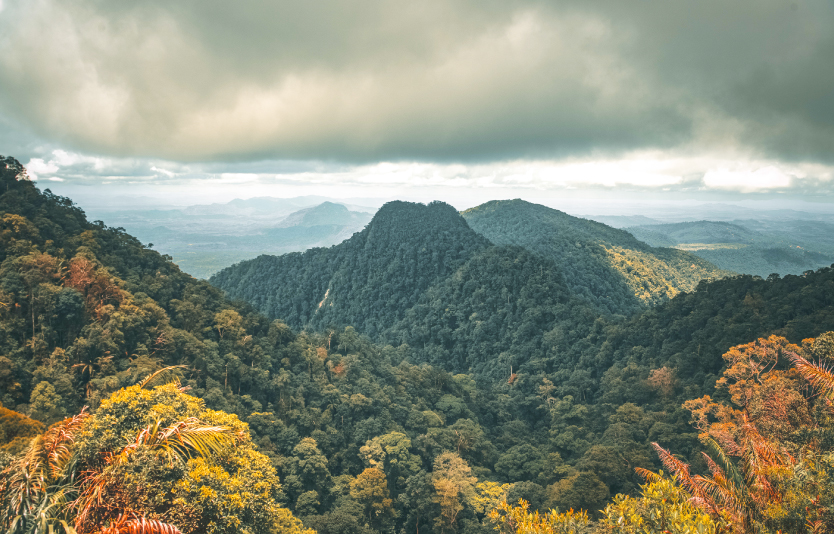
Dramatic Sky in kubah National park
Trail Safety and Essential Preparations
Kubah National Park maintains trails well, but tropical rainforest presents inherent challenges. Proper preparation ensures enjoyable, safe exploration.
What to Bring:
- Sturdy hiking shoes with good tread (trails get slippery)
- At least 2 liters of water per person
- Insect repellent containing DEET
- Light rain jacket (weather changes rapidly)
- Swimsuit and towel if planning waterfall swims
- Small first aid kit with bandages and antiseptic
- Snacks or packed lunch (no food available in park)
Safety Considerations:
Leeches present the main annoyance, especially after rain. These small blood-sucking worms attach to exposed skin or enter through shoe openings. They're harmless but unpleasant. Tuck pants into socks, apply insect repellent to shoes and lower legs, and check regularly for hitchhikers. Salt or tobacco juice makes them drop off immediately.
Trail markers appear regularly but can fade or get obscured by vegetation. Stay alert at junctions and don't hesitate to backtrack if uncertain. Mobile phone coverage is spotty deep in the forest—download offline maps before entering.
Inform park rangers of your planned route and expected return time. While trails are well-traveled, solo hikers benefit from this basic precaution.
Swimming in waterfall pools is generally safe but requires common sense. Check water depth before jumping, watch for submerged rocks, and never swim alone. Water levels rise quickly during heavy rain—exit immediately if weather deteriorates.
Facilities and Visitor Services at Park Headquarters
Kubah National Park headquarters provides basic but adequate facilities supporting comfortable visits. The information center displays educational exhibits about park ecology, fern diversity, and conservation efforts.
Available Facilities:
- Clean restrooms and changing rooms
- Covered picnic pavilions with tables
- Basic canteen (operates irregularly—don't rely on it)
- Park shop selling drinks, snacks, and souvenirs
- Information boards with trail maps
For overnight stays, the park offers several accommodation options:
Accommodation Type | Capacity | Price per Night |
Forest Lodge (air-con) | 4-6 people | RM150-200 |
Forest Hostel (fan) | 2-4 people | RM60-80 |
Campsite | Tent space | RM5 per person |
Book accommodations through Sarawak Forestry Corporation website or call the park office (+6082-845033) directly. Overnight guests enjoy dawn and dusk wildlife viewing when day-trippers have departed.
The nearby Matang Wildlife Centre (10 minutes away) rehabilitates rescued orangutans and other animals. Combining visits to both sites creates a full day of wildlife and nature experiences.
Planning Your Perfect Kubah National Park Visit
Timing significantly impacts trail conditions and wildlife sightings in Kubah National Park. Understanding seasonal patterns helps optimize your experience.
Best Times to Visit:
- Dry season (April-September): Trails less muddy, streams lower but still flowing
- Wet season (October-March): Waterfalls more dramatic, leeches more active
- Weekdays: Fewer visitors, more peaceful atmosphere
- Early morning (8:00-10:00 AM): Cooler temperatures, active wildlife
- Late afternoon (3:00-5:00 PM): Good lighting for photography
A typical day trip follows this pattern: arrive at opening (8:00 AM), hike to chosen waterfall, swim and rest, return for lunch at headquarters, explore Fern Trail or headquarters area, depart by 3:00-4:00 PM.
Serious hikers can tackle all three waterfalls in one day, covering approximately 8-10 kilometers total. This requires early start, good fitness, and 6-7 hours including swimming breaks.
Combining with Other Attractions:
- Morning at Kubah + afternoon at Matang Wildlife Centre: Full day (30-minute drive between sites)
- Kubah + Semenggoh Orangutan Centre: Early orangutan feeding (9:00 AM), then Kubah (different directions from Kuching)
- Multi-day Kuching area parks: Combine Kubah with Bako and Gunung Gading visits over 3-4 days
What fitness level is required for Kubah National Park trails?
Waterfall 1 suits most fitness levels, including families with children aged 5+. The trail has minimal elevation change and takes 20-25 minutes each way. Waterfall 2 requires moderate fitness with some steep sections—comparable to climbing 5-6 flights of stairs. Waterfall 3 challenges visitors with steeper terrain, rope-assisted sections, and longer distance. Average fitness suffices if taking breaks, but expect to work harder. Overall, Kubah's trails are more accessible than many Bornean parks.
Can you swim in all the waterfalls at Kubah National Park?
Yes, all three waterfalls have pools suitable for swimming, though depths and conditions vary. Waterfall 1 offers shallow pools perfect for children and non-swimmers. Waterfall 2 has deeper sections (2-3 meters) suitable for confident swimmers. Waterfall 3 features the deepest pool (3-4+ meters) with areas for swimming and diving from rocks. Water stays cool (20-22°C) year-round—refreshing after hot, humid hikes. Changing facilities exist near Waterfall 1; for others, bring a sarong or change discreetly.
Is Kubah National Park worth visiting if you've been to other Malaysian parks?
Absolutely. Kubah offers unique advantages: proximity to Kuching (easy access), exceptional fern diversity (botanical interest), excellent trail infrastructure (well-maintained paths), and guaranteed swimming (waterfalls flow year-round). While it won't match remote parks for rare wildlife sightings, its combination of accessibility and biodiversity creates outstanding value. The park particularly suits travelers with limited time, families, older visitors, or anyone wanting quality rainforest experience without hardcore expedition logistics.
Securing Your Malaysia Travel Documentation
Before exploring the stunning Kubah National Park and Sarawak's other natural treasures, travelers need appropriate entry documentation for Malaysia. Visa requirements vary widely depending on nationality and intended length of stay, creating confusion for many visitors planning Borneo adventures.
GVC specializes in clarifying Malaysia's visa requirements and handling applications efficiently. Their platform eliminates the frustration of navigating multiple government websites with contradictory information. Whether planning short tourist visits or extended nature exploration trips, professional guidance ensures documentation is correct from the start.
For travelers organizing multi-park itineraries across Sarawak—combining Kubah with Bako, Gunung Gading, and other protected areas—having solid Malaysia visa documentation prevents entry problems that could derail carefully planned nature tours. GVC's expertise covers various visa categories, from tourist permits to longer-term options for extended stays.
The convenience of online application tracking adds peace of mind during the planning process. Rather than wondering about application status, travelers can simply check their visa progress anytime, helping coordinate flight bookings and accommodation reservations with confidence.
Budget-conscious travelers appreciate knowing exact costs upfront without hidden fees. GVC maintains transparent pricing that shows precisely what services cost, making it easy to compare professional assistance against DIY application challenges and potential error-related delays.
Whether trekking to waterfalls in Kubah National Park, spotting proboscis monkeys at Bako, or searching for Rafflesia blooms at Gunung Gading, proper documentation ensures your Sarawak nature adventures proceed smoothly from arrival through departure.
Related Articles:
Tags