Desert Stargazing Near Sakhir: Moon Phases and Equipment
The vast desert expanses surrounding Sakhir offer some of the Arabian Peninsula's most spectacular stargazing opportunities, where minimal light pollution reveals celestial wonders invisible in urban areas. Desert stargazing Sakhir transforms ordinary nights into extraordinary cosmic journeys, with the Milky Way stretching across unpolluted skies and planets appearing brilliant against the desert backdrop. This remote region, famous for hosting Formula 1 racing, becomes an astronomer's paradise after sunset.
Located 30 kilometers southwest of Manama, the Sakhir desert provides ideal conditions for celestial observation. The area's elevation and distance from major cities create a natural observatory where stars shine with remarkable clarity. The Sakhir desert offers some of Bahrain’s darkest skies and provides noticeably better stargazing conditions than urban areas, though it does not match remote desert regions elsewhere in the Middle East.
The flat terrain makes setup easy, though atmospheric clarity can vary due to humidity and regional dust. Clear nights are frequent, especially during winter months when humidity drops and atmospheric disturbance diminishes. For travelers seeking profound connections with the cosmos, Sakhir's desert offers transformative experiences under some of the world's darkest skies.
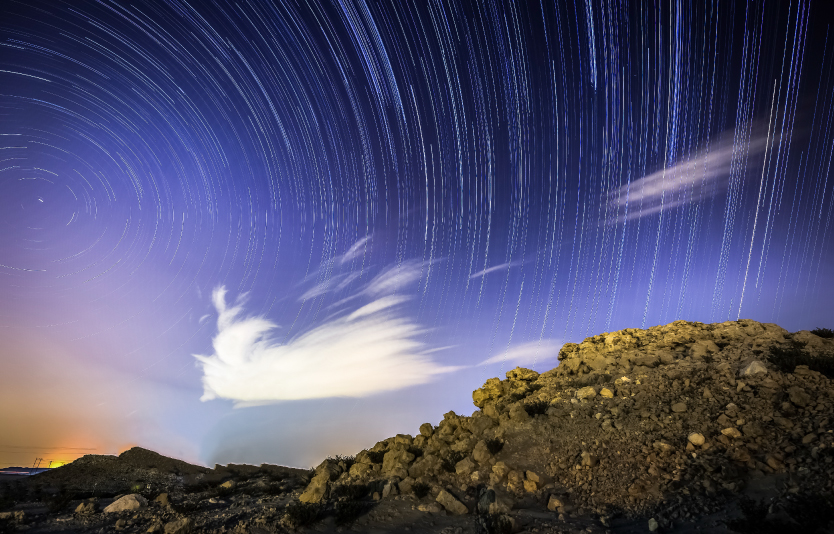
Beautiful star trails from Sakhir, Bahrain
Essential Sakhir Moon Phase Guide for Optimal Viewing
Understanding the Sakhir moon phase guide dramatically improves stargazing success rates and helps plan the most rewarding desert adventures. Moon phases directly impact sky darkness, affecting visibility of faint celestial objects like nebulae, galaxies, and the Milky Way's fainter regions.
New Moon Periods (Best for Deep Sky Objects): New moon phases provide the darkest skies for observing faint celestial phenomena. During these periods, the Milky Way appears most prominent, stretching dramatically across the desert horizon. Under exceptionally clear conditions, experienced observers may faintly detect the Andromeda Galaxy, though binoculars are strongly recommended.
First and Last Quarter (Ideal for Planetary Observation): Half-moon phases offer perfect balance between sky darkness and terrain visibility. The moderate moonlight illuminates desert pathways while maintaining sufficient darkness for bright planetary observation. Jupiter's moons and Saturn's rings show exceptional detail during these periods.
Full Moon Nights (Perfect for Desert Photography): While full moons wash out faint stars, they create magical opportunities for landscape astrophotography. The moonlit desert reveals stunning textures and formations, creating dramatic foregrounds for star trail photography. Safety also improves significantly during full moon expeditions.
Monthly Planning Strategy: Plan serious deep-sky observation during the week surrounding new moons. Schedule planetary viewing sessions during quarter moon phases when some illumination helps with equipment setup and navigation. Reserve full moon periods for combination landscape-astronomy photography projects.
2024-2025 Optimal Viewing Calendar:
- December 2024: New moon on 30th - excellent for Geminid meteor shower
- January 2025: New moon on 29th - ideal for winter constellation photography
- February 2025: New moon on 28th - perfect for galaxy observation season
- March 2025: New moon on 29th - prime time for spring sky objects
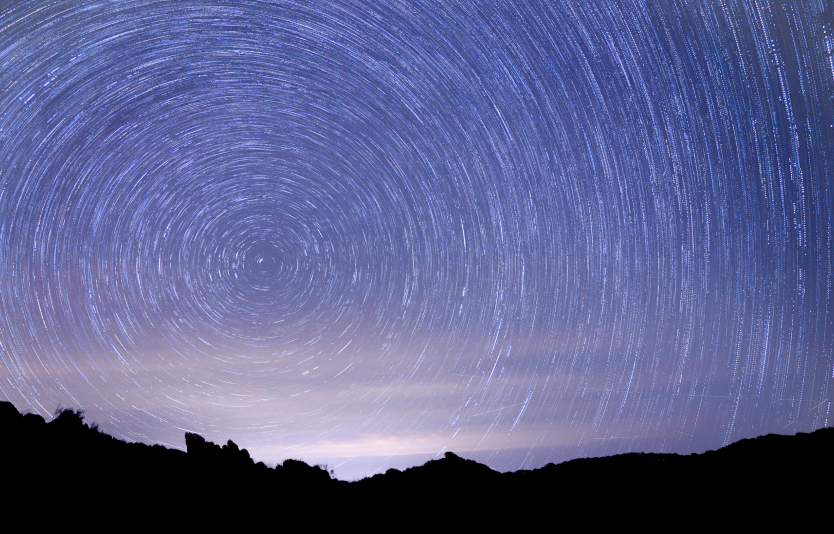
Desert star trails
Complete Stargazing Equipment Guide for Sakhir Desert
Selecting appropriate stargazing equipment Sakhir ensures comfortable and productive desert astronomy sessions. The region's climate and terrain present specific challenges that require thoughtful equipment selection and preparation.
Essential Optical Equipment:
Binoculars (7x50 or 10x50): These provide excellent wide-field views perfect for scanning the Milky Way and locating bright nebulae. The large objective lenses gather sufficient light for comfortable viewing while remaining portable for desert hiking.
Telescope Recommendations: For serious observation, 6-8 inch reflecting telescopes offer optimal performance-to-portability ratios. Dobsonian mounts work exceptionally well on firm desert sand, providing stable platforms for high-magnification planetary work.
Star Charts and Apps: Physical star charts remain reliable when smartphone batteries drain in cold desert nights. Apps like SkySafari or Star Walk 2 help identify constellations and track satellite passes when devices stay charged.
Comfort and Safety Equipment:
Red LED Headlamps: Essential for maintaining night vision while handling equipment. Standard white lights destroy dark adaptation that takes 30-45 minutes to develop fully.
Portable Chairs and Tables: Comfortable seating prevents neck strain during extended observation sessions. Adjustable-height tables support star charts and equipment accessories securely.
Thermal Layers: Desert temperatures drop dramatically after sunset, especially during winter months. Temperature swings of 20-25°C are common between day and night periods.
Navigation Tools: GPS devices or smartphone apps with offline maps prevent disorientation in featureless desert terrain. Compass backup ensures safe return routes if electronic devices fail.
Power Management: Portable battery packs keep essential devices operational throughout long observation sessions. Solar charging panels work well for multi-day desert camping but require daytime setup planning.
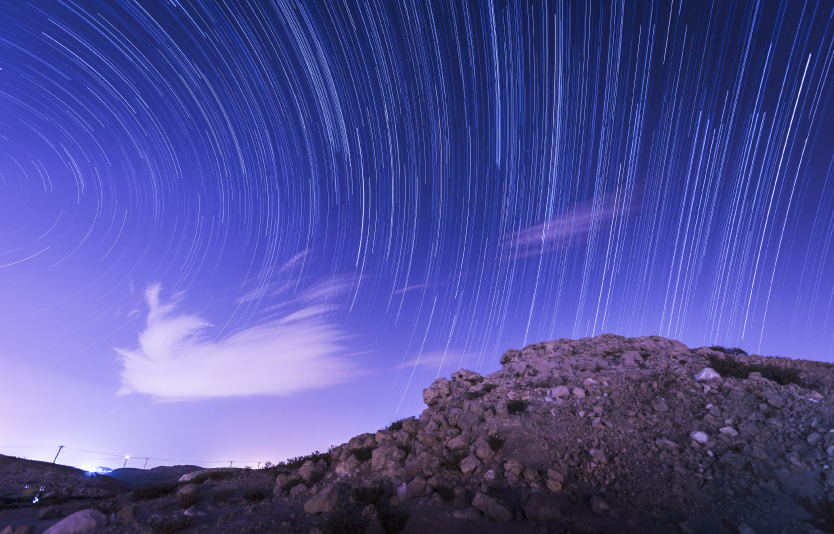
Star Trails in a Rocky Mountain Bahrain
Mastering Desert Night Photography Techniques
Desert night photography in Sakhir combines technical skill with artistic vision to capture the region's celestial beauty. The area's dark skies and dramatic landscape features create ideal conditions for award-winning astrophotography.
Camera Settings for Success: Modern DSLR and mirrorless cameras excel in Sakhir's conditions with proper technique. Start with ISO 3200-6400, apertures of f/2.8-f/4, and exposure times of 15-25 seconds to avoid star trailing. Manual focus set to infinity ensures sharp star points.
Composition Strategies: Include desert foreground elements like sand dunes, rock formations, or sparse vegetation to create compelling compositions. The rule of thirds applies effectively, placing the horizon line in the lower third while allowing the sky to dominate the frame.
Advanced Techniques:
Star Trail Photography: Use intervalometer settings to capture 30-second exposures continuously for 1-3 hours. Stack the resulting images in post-processing to create circular star trail patterns around the northern celestial axis, with Polaris appearing low above the horizon.
Milky Way Panoramas: Capture multiple overlapping frames of the Milky Way's arc, then stitch them together for wide-angle views impossible with single exposures. This technique showcases the galaxy's full span above Sakhir's horizon.
Time-lapse Creation: Program cameras to capture frames every 30-60 seconds throughout the night, creating spectacular time-lapse videos showing celestial motion and changing sky conditions.
Equipment Maintenance: Desert sand poses significant challenges for camera equipment. Use UV filters to protect front lens elements, and seal camera bodies when not actively shooting. Clean equipment thoroughly after each desert session to prevent sand damage.
Planning Your Complete Bahrain Stargazing Trip
A successful Bahrain stargazing trip requires careful coordination of weather patterns, astronomical events, and logistical considerations. Sakhir's desert location demands thorough preparation for safe and rewarding experiences.
Best Visiting Seasons: October through March provides optimal stargazing conditions with clear skies, comfortable temperatures, and minimal humidity. Summer months become challenging due to extreme heat and frequent dust storms that reduce atmospheric clarity.
Transportation and Access: Rent a 4WD vehicle for reliable desert access, as standard cars struggle with soft sand in some areas. Many stargazing spots are located a short drive from paved roads, making Sakhir relatively accessible compared to more remote desert regions.
Accommodation Options:
Desert Camping: Informal desert camping is commonly practiced by locals, but visitors should avoid private land and follow local regulations. This option provides the ultimate dark-sky experience but requires complete self-sufficiency for water, food, and safety equipment.
Nearby Hotels: Sakhir's race circuit area offers several hotels within 30 minutes of prime stargazing locations. Four Seasons Hotel Bahrain Bay and Al Areen Palace & Spa provide luxury bases for astronomy expeditions.
Local Astronomy Groups: Bahrain Astronomical Society organizes regular Sakhir stargazing events open to visitors. These gatherings provide access to high-quality telescopes and expert guidance from experienced local astronomers.
Safety Protocols: Never venture into the desert alone - travel in groups of at least two vehicles when possible. Inform others of your planned route and expected return time. Carry emergency supplies including extra water, food, and communication devices.
Weather Monitoring: Check local weather forecasts and satellite imagery before departing. Clear skies at sunset don't guarantee overnight clarity, as weather patterns change rapidly in desert environments.
Sakhir Stargazing Essentials | Recommended Items | Cost Range (BD) |
Transportation | 4WD rental vehicle | 25-40 per day |
Optical Equipment | 7x50 binoculars | 40-120 |
Photography Gear | DSLR + wide lens | 200-800 |
The table above outlines essential items and typical costs for Sakhir stargazing expeditions, helping budget-conscious travelers plan accordingly.
Maximizing Your Celestial Experience
Prime Observation Hours: Astronomical twilight ends approximately 90 minutes after sunset, marking the beginning of optimal viewing conditions. Plan to arrive at observation sites before sunset to set up equipment and allow eyes to adapt to darkness gradually.
Seasonal Highlights: Winter months showcase spectacular constellations including Orion, Gemini, and Taurus rising in the eastern sky. Spring brings excellent galaxy-hunting opportunities as Leo and Virgo clusters become prominent. Summer features the densest Milky Way regions, though heat limits comfortable observation times.
The Sakhir desert's combination of dark skies, stable atmospheric conditions, and accessible location makes it an exceptional destination for astronomical pursuits. Whether seeking meditative stargazing experiences or challenging astrophotography projects, this remarkable location delivers unforgettable celestial encounters.
What time should you arrive at Sakhir for the best stargazing?
Arrive at least one hour before sunset to set up equipment and choose optimal viewing locations. This timing allows eyes to adapt gradually to darkness and ensures familiarity with the terrain before full darkness arrives. Peak stargazing begins 90 minutes after sunset when astronomical twilight ends.
What equipment do beginners need for desert stargazing?
Essential beginner equipment includes 7x50 binoculars, red LED headlamp, star chart or astronomy app, comfortable chair, and warm clothing layers. A basic camera with manual settings can capture simple star photos. Avoid expensive telescopes initially - binoculars reveal thousands of stars and celestial objects perfectly.
How cold does the Sakhir desert get at night?
Desert temperatures drop 20-25°C after sunset, with winter nights reaching 5-10°C. Layered clothing is essential, including thermal base layers, insulating mid-layers, and windproof outer shells. Even summer nights can feel surprisingly cool after extreme daytime heat, so pack extra layers regardless of season.
Discover Desert Stargazing Sakhir with GVC Travel Solutions
The magnificent desert stargazing Sakhir experiences await travelers seeking profound connections with the cosmos under some of the Arabian Peninsula's darkest skies. This remarkable destination combines minimal light pollution with stable atmospheric conditions, creating perfect environments for both casual stargazing and serious astrophotography. Understanding Sakhir moon phases ensures optimal timing for celestial observations, whether hunting faint galaxies during new moon periods or capturing dramatic lunar landscapes during full moon nights.
From essential equipment selection to advanced photography techniques, proper preparation transforms ordinary desert nights into extraordinary astronomical adventures. The region's accessibility from Manama, combined with year-round clear weather patterns, makes Sakhir an ideal destination for both novice stargazers and experienced astronomers seeking pristine viewing conditions.
Planning your astronomical journey to Bahrain starts with securing proper travel documentation, and GVC streamlines the visa process for international travelers. Our comprehensive visa services ensure smooth entry into this incredible stargazing destination, allowing you to focus on planning perfect celestial encounters under Sakhir's pristine skies.
Whether you're photographing the Milky Way's dramatic arc over desert dunes or observing planetary details through powerful telescopes, Sakhir delivers unforgettable astronomical experiences. You can conveniently monitor your application progress while planning equipment purchases and optimal viewing dates for your desert astronomy adventure.
Begin your Sakhir stargazing journey today with affordable visa processing that opens access to one of the Middle East's premier dark-sky destinations, where celestial wonders await discovery in the heart of Bahrain's pristine desert wilderness.
Related Articles:
- Bahrain Middle East Worth Visiting Travel Guide
- Bahrain Middle East Travel Guide Island Kingdom
- Bahrain Location World Map Arabian Gulf Guide
- Where Is Bahrain Manama Guide To This Arabian Gulf Gem
- Bahrain Travel All You Need To Know Before You Visit
- Top Things To Do In Bahrain Travel Guide
- Is Bahrain Safe Guide For Travelers
Tags